Your dog seems perfectly fine — eating well, playing, no complaints. So do you really need to pay for a vet visit just to be told everything’s fine? This is the most expensive question in pet ownership, because the answer determines whether problems get caught when they’re cheap and treatable or when they’re emergencies. Vet checkup frequency isn’t one-size-fits-all: it depends on age, breed, lifestyle, and Texas-specific risks. Here’s the actual schedule veterinarians recommend, what each visit should include, and how to think about the cost.
The Standard Schedule: Annual for Adults, Twice-Yearly for Seniors
The baseline recommendation from the American Veterinary Medical Association and AAHA preventive-care guidelines:
- Puppies (under 1 year): every 3–4 weeks until about 16 weeks for the vaccine series, then a 1-year booster visit. Puppyhood is front-loaded with vet visits — budget for it before you adopt.
- Healthy adults (1–7 years): once a year, minimum. The annual exam is the cornerstone of preventive care.
- Seniors (7–8+ years, sooner for large breeds): every 6 months. Dogs age roughly 5–7 years per calendar year in their senior phase; a lot changes in six months. Large and giant breeds are seniors by 6; small breeds often not until 9–10.
These are minimums for healthy dogs. Chronic conditions (diabetes, kidney disease, allergies, epilepsy), new medications, or recent diagnoses compress the schedule to whatever your vet prescribes — sometimes every 4–8 weeks during stabilization.
What a Proper Checkup Actually Includes
A checkup isn’t just vaccines. A thorough annual exam covers:
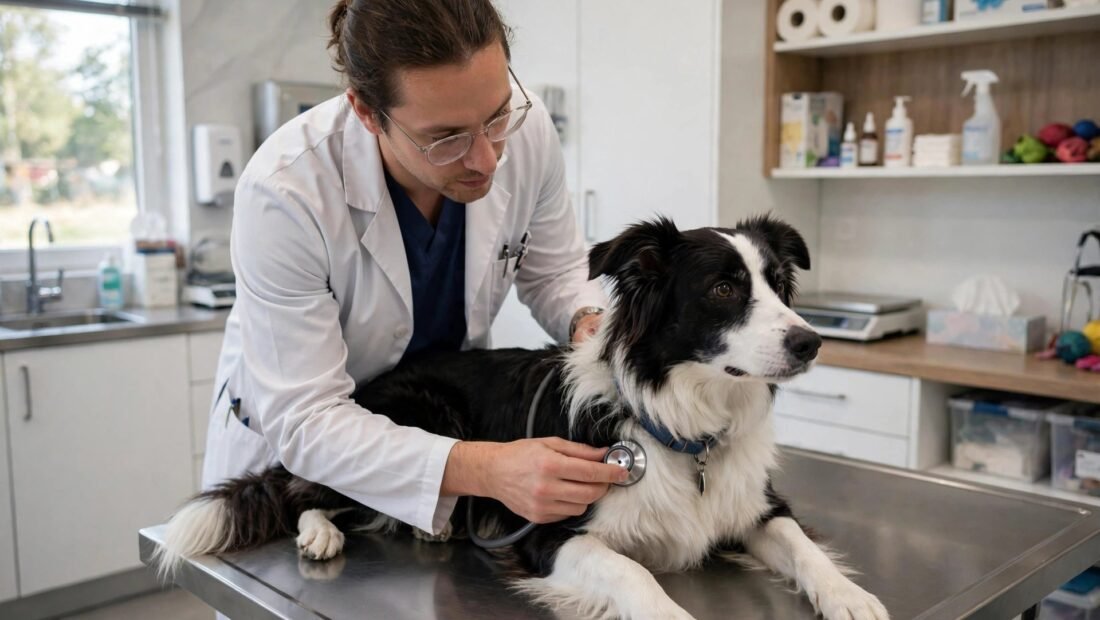
- Full physical exam: weight and body condition score, eyes, ears, teeth and gums, heart and lung auscultation, lymph nodes, skin and coat, abdomen palpation, joint range of motion, neurologic basics. The hands-on exam catches lumps, heart murmurs, dental disease, and early arthritis that owners miss.
- Vaccines: core vaccines (rabies — legally required in Texas — distemper/parvo combo) on a 1- or 3-year schedule depending on the product and local law; non-core (bordetella, leptospirosis, canine influenza, rattlesnake vaccine in some Texas regions) based on lifestyle risk.
- Parasite screening: annual heartworm test (required before renewing prevention — Texas’s year-round mosquito season makes this non-negotiable) and fecal test for intestinal parasites.
- Bloodwork: baseline chemistry and CBC annually for adults; twice-yearly for seniors. Bloodwork catches kidney disease, liver issues, diabetes, thyroid problems, and anemia before symptoms appear — the entire point of preventive care.
- Dental assessment: 80% of dogs show dental disease by age 3. The exam grades dental health; professional cleanings under anesthesia are scheduled as needed. Dental care is among the priciest preventive line items — teeth cleaning costs without insurance illustrate why budgeting for it beats reacting to it, and the same logic applies to your dog’s dental bills.
- Nutrition and weight review: body condition scoring and diet adjustment — the annual course-correction that prevents the slow creep into obesity.
Texas-Specific Reasons Not to Skip
- Heartworm is endemic: Texas has among the highest heartworm rates in the nation, with transmission possible year-round. Annual testing plus year-round prevention is the standard; skipping either gambles with a $1,000–$1,800 treatment.
- Tick-borne diseases: ehrlichiosis, anaplasmosis, and Rocky Mountain spotted fever are Texas realities. Annual screening (often bundled in the 4Dx test with heartworm) catches them early, when treatment is simple.
- Heat-related screening: senior checkups in Texas should include cardiac assessment — heat stress hits dogs with undiagnosed heart conditions hardest, and Texas gives them months of exposure.
- Rattlesnake and foxtail season: spring checkups are the time to discuss rattlesnake vaccine (for dogs hiking or living near brush country) and to review foxtail-awareness for the grass-awn season.
- Hurricane preparedness: use the annual visit to confirm vaccinations are current and get copies of records — shelters and boarding facilities require proof, and evacuation is the wrong time to discover rabies lapsed.
The Cost Question: What Checkups Run in Texas
In 2026 Texas pricing: a basic annual exam runs $60–$100; with vaccines, heartworm/fecal testing, and bloodwork, a comprehensive annual visit typically totals $250–$450. Senior twice-yearly visits with full bloodwork run $300–$500 each. Dental cleanings (when needed) add $500–$1,200.
The economic argument for checkups is straightforward: a $350 annual visit that catches early kidney disease (manageable for years on diet) versus a $3,000 emergency hospitalization for a uremic crisis. Preventive care doesn’t just save lives — it saves money, on average, across a dog’s lifetime. The owners who skip checkups to save $300 aren’t saving; they’re self-insuring against catastrophic bills with no reserves.
Budget it like any recurring obligation: a family budget that plans for pet care treats the annual checkup as a known line item, not a surprise. For multi-dog households, ask about wellness plans — many Texas practices offer bundled annual packages (exam, vaccines, testing, bloodwork) at 15–25% below à la carte pricing.
Signs Your Dog Needs a Visit Between Checkups
The schedule covers prevention; these symptoms override it — book promptly:
- Appetite changes lasting more than 48 hours (especially refusal to eat)
- Vomiting or diarrhea persisting beyond 24 hours, or any blood
- Sudden lethargy, weakness, or collapse
- Difficulty breathing, persistent coughing, or pale/blue gums
- Sudden weight loss, excessive thirst, or increased urination
- Limping lasting more than a day, or any non-weight-bearing lameness
- Eye redness, squinting, or discharge; head tilting or balance issues
- Lumps that grow, change, or appear suddenly
When in doubt, call. Vet clinics triage by phone for free, and “we’d like to see them today” versus “monitor over the weekend” is a professional judgment you can’t make from Google.
Making Vet Visits Less Stressful
Dogs that panic at the clinic get worse care — stressed dogs are harder to examine, and fear can mask or mimic symptoms. Low-stress strategies: “happy visits” (stop by for treats and weighing, no exam), bringing high-value treats, pre-visit exercise to burn nervous energy, and discussing anti-anxiety options (trazodone, gabapentin protocols) with your vet for genuinely fearful dogs. Fear Free certified practices — increasingly common in Texas metros — are specifically designed around reducing patient stress. A calm dog gets a better exam; it’s that simple.
Conclusion
Once a year for healthy adults, twice a year for seniors, more often for puppies and chronic conditions — that’s the schedule, and Texas’s heartworm, tick, and heat risks make it more important here, not less. Each visit is a systems check: physical exam, vaccines, parasite screening, bloodwork, dental and weight review. Budget the $250–$450 as a fixed annual cost, use the visit to keep records evacuation-ready, and never let “he seems fine” override the calendar. The checkup that finds nothing is not a wasted visit — it’s the visit that keeps it that way.
Frequently Asked Questions
How often should I take my dog to the vet for checkups?
Healthy adult dogs need annual checkups; seniors (7+ years, or 6+ for large breeds) need twice-yearly visits; puppies need visits every 3–4 weeks until 16 weeks. Dogs with chronic conditions follow their vet’s prescribed schedule.
What does an annual dog checkup include?
A full physical exam, core vaccines, heartworm and fecal parasite testing, bloodwork (chemistry and CBC), dental assessment, and nutrition/weight review. Non-core vaccines are added based on lifestyle risk.
How much does a dog checkup cost in Texas?
A comprehensive annual visit typically runs $250–$450 in Texas in 2026, including exam, vaccines, testing, and bloodwork. Senior visits with full bloodwork run $300–$500; dental cleanings add $500–$1,200 when needed.
Can I skip the annual vet visit if my dog seems healthy?
It’s a false economy. Bloodwork and hands-on exams catch kidney disease, diabetes, heart murmurs, dental disease, and tumors before symptoms appear — when treatment is cheaper and more effective. “Seems fine” is exactly when checkups matter most.
Are twice-yearly vet visits really necessary for senior dogs?
Yes. Dogs age 5–7 years per calendar year in their senior phase, so six months is a long time medically. Twice-yearly bloodwork catches the kidney, liver, and metabolic changes that define senior-dog medicine while they’re still manageable.