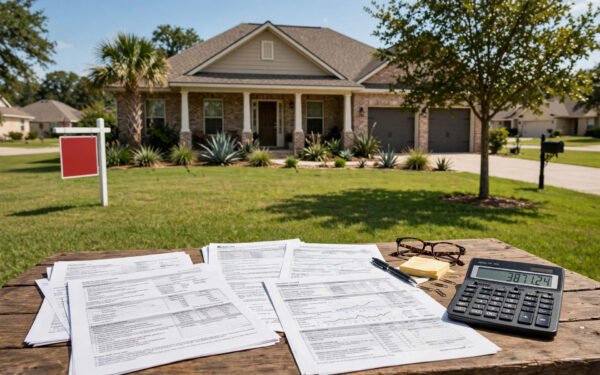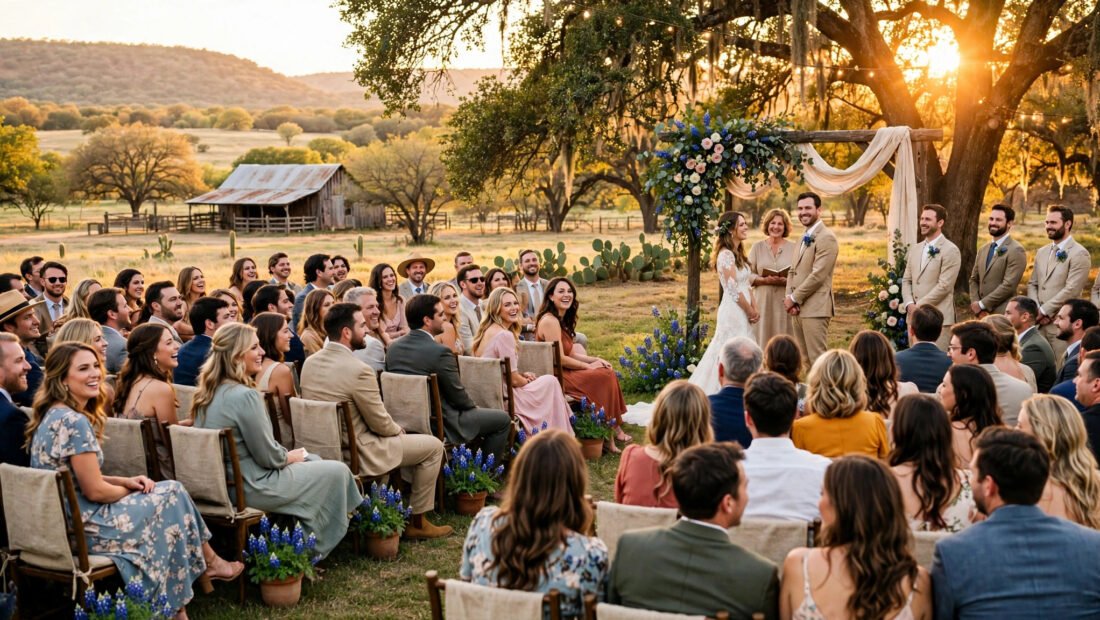
The average American wedding now costs well over $30,000 — and in Texas metros, venue and vendor prices keep climbing. Meanwhile, couples routinely start married life with five figures of wedding debt, paying 20%+ interest on a single day for years. It doesn’t have to be this way. A beautiful, meaningful wedding and zero debt are entirely compatible — but only with intentional budgeting, honest conversations, and the willingness to ignore an industry designed to upsell you. This guide shows you how much to spend, where the money actually goes, and how to cut costs without cutting joy.
How Much Should You Spend? The Framework
Forget “average wedding cost” — averages describe other people’s choices, not your finances. Use this framework instead: spend what you can pay in cash (plus any family contributions actually committed, not vaguely promised) without touching emergency savings or retirement. For most couples, that lands between $5,000 and $20,000 — a range in which genuinely wonderful weddings happen daily across Texas. The test: if the wedding were next month, could you pay for it from savings without borrowing? If yes, the budget is right. If the plan requires credit cards, personal loans, or “we’ll figure it out,” the budget is wrong regardless of what the number is.
A useful gut-check ratio: keep total wedding spending under 20–30% of your combined annual income, and under 50% of your non-emergency savings. These aren’t laws — they’re tripwires that force an honest conversation when crossed.
Where the Money Actually Goes (2026 Texas)
Typical budget breakdown for a $15,000 Texas wedding: venue + catering: 40–50% ($6,000–$7,500) — the 800-pound gorilla; photography: 10–15% ($1,500–$2,250) — the one splurge most couples never regret; attire + beauty: 8–10%; music/entertainment: 8–10%; flowers + decor: 8–10%; everything else (stationery, transportation, cake, officiant, tips): the remainder. Notice what’s missing: a videographer, a planner, and a rehearsal dinner blowout aren’t in a $15k budget — and that’s fine, because prioritization is the whole game.
Build the budget with your partner using the same skills as any household budget — our guide to creating a family budget that actually works covers the joint-decision mechanics, and starting married life with shared financial habits is worth more than any centerpiece.
The Big Three Savings Levers
1. Guest count. This is the master lever — every guest costs $100–$200+ in catering, rentals, and space. Cutting from 150 to 80 guests can save $10,000+ alone, more than all other cuts combined. Be ruthless but kind: invite people who matter, not people who’d be offended.
2. Venue + day. Nontraditional venues (parks, restaurants with private rooms, family property, art galleries) cost a fraction of wedding-dedicated venues. Friday or Sunday weddings, off-season dates (January–March in Texas), and brunch/lunch receptions instead of Saturday-night dinners can each save 20–40%. A Sunday brunch wedding at a restaurant? Often half the cost of the Saturday ballroom version — and guests love it.
3. What you skip. The wedding industry sells a package; you need an event. Favors (forgotten by morning), programs (unused), elaborate stationery (a website works), chair covers, ice sculptures, dove releases — every skipped tradition is hundreds back in your pocket. Spend on what guests experience (food, music, atmosphere) and skip what they won’t remember.
Smart Splurges vs. Regretted Splurges
Worth it: photography (the only thing that lasts), good food (guests remember meals), a great DJ or band (energy makes the party), and a day-of coordinator (even budget weddings run smoother — often $800–$1,500 in Texas and worth every penny). Usually regretted: videography packages at budget levels (an uncle with a decent camera often suffices), extravagant flowers (beautiful for six hours, then compost), open bars beyond beer/wine/signature cocktail (full bars double beverage costs), and anything purchased under vendor pressure (“this price expires today” is a sales tactic, not a fact).
For the personal touches that cost nothing: writing your own vows or speech matters more than any rental. Our guide to writing a wedding speech that sounds personal helps craft the moment guests actually cry about — and for attending weddings on a budget, finding guest dresses under $100 keeps the whole wedding season affordable.
The Debt Traps to Refuse
Name them to defuse them: credit card funding (“we’ll pay it off with gifts” — gift money is wildly unpredictable; 20%+ APR on $15,000 is $3,000+/year in interest); wedding-specific loans (marketed as romantic, priced as personal loans); vendor payment plans that exceed the wedding date (still paying for the flowers at your first anniversary); family “gifts” with strings (money that buys control over your guest list isn’t a gift, it’s a purchase — clarify expectations in writing, kindly). The rule is absolute: if it requires borrowing, cut the budget instead. Starting a marriage in debt for a party is the most expensive decoration of all.
The CFPB’s consumer tools include budgeting worksheets that work as well for weddings as for households, and NerdWallet’s wedding cost guides track current vendor pricing by region.
Sample Budgets: Three Texas Weddings, Zero Debt
The $7,000 microwedding: 30 guests, Sunday brunch at a favorite restaurant’s private room ($3,500 food), simple photography half-day ($1,200), attire off-the-rack ($600), flowers from a farmers’ market DIY ($300), cake from a local bakery ($400), everything else minimal ($1,000). Intimate, delicious, unforgettable. The $15,000 classic: 80 guests, off-season Friday venue ($4,000), catering ($5,500), photography ($2,000), DJ ($1,200), attire + beauty ($1,000), decor + flowers ($800), misc ($500). The $3,000 elopement-plus-party: courthouse or park ceremony ($200), nice dinner for 12 ($1,200), photographer for two hours ($800), backyard party later with BBQ catering ($800). All real, all debt-free, all remembered fondly — because joy isn’t itemized.
Conclusion
A wedding without debt comes down to a cash-based budget (what you can pay from savings plus committed family help), ruthless prioritization (guest count, venue/day, skipped traditions), smart splurges on photography/food/music, and absolute refusal of borrowing. The couples with the best weddings aren’t the ones who spent most — they’re the ones who spent intentionally on what mattered to them and skipped the rest without apology. Your marriage is the investment; the wedding is just the launch party. Fund the launch party like you’d fund anything important: with money you have, not money you’ll owe.
Frequently Asked Questions
What is a reasonable wedding budget in Texas?
Most couples spending cash (no debt) land between $5,000–$20,000. The “reasonable” number is whatever you can pay from savings plus committed family contributions without touching emergency funds.
How can I cut wedding costs without it looking cheap?
Cut guest count first (biggest lever), choose off-peak days and nontraditional venues, and skip low-memory items (favors, programs, elaborate stationery). Spend on food, music, and photography — guests notice those, not chair covers.
Is it okay to have a small wedding?
Absolutely — intimate weddings (under 50 guests) are increasingly popular, dramatically cheaper, and often more meaningful. “Microweddings” let you splurge per-guest while spending less overall.
Should we take a loan for our wedding?
No. Wedding debt at high interest rates is among the worst consumer debt — you’re paying for years for a single day. Cut the budget instead; every loan-funded upgrade is a future payment with interest.
Who traditionally pays for what?
Traditions vary widely now — many couples split costs, families contribute what they can, or couples pay entirely themselves. What’s traditional matters less than what’s clearly agreed: discuss contributions openly and early to avoid misunderstandings.