CrossFit has a reputation problem. For every story of someone getting into the best shape of their life, there’s a viral video of a disastrous lift or a friend warning you that “CrossFit will wreck your shoulders.” If you’ve never set foot in a gym and you’re wondering whether a CrossFit box in Houston, Austin, or Dallas is a reasonable place to start — or a fast track to injury — this guide gives you the unfiltered answer: CrossFit can be safe for total beginners, but only at the right gym, with the right coach, and with you advocating for yourself from day one.
Here’s what the research says, what actually causes injuries, and how to vet a box before you sign anything.
You can browse more features and updates from Network Ustad’s step-by-step tech guides.
What CrossFit Actually Is (Versus the Stereotype)
Strip away the memes and CrossFit is straightforward: constantly varied functional movements performed at high intensity — a mix of weightlifting, gymnastics-style bodyweight work, and cardio, programmed in daily workouts (“WODs”). The methodology itself isn’t exotic; it’s the intensity plus complexity plus fatigue combination that creates risk. Doing a technical Olympic lift when you’re fresh is one thing. Doing it for time, exhausted, in rep 40, is where form breaks down and injuries happen.
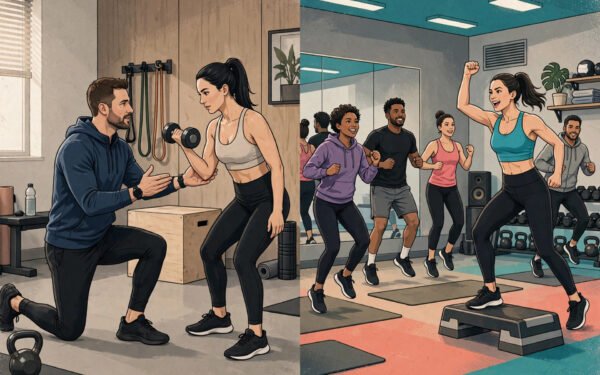
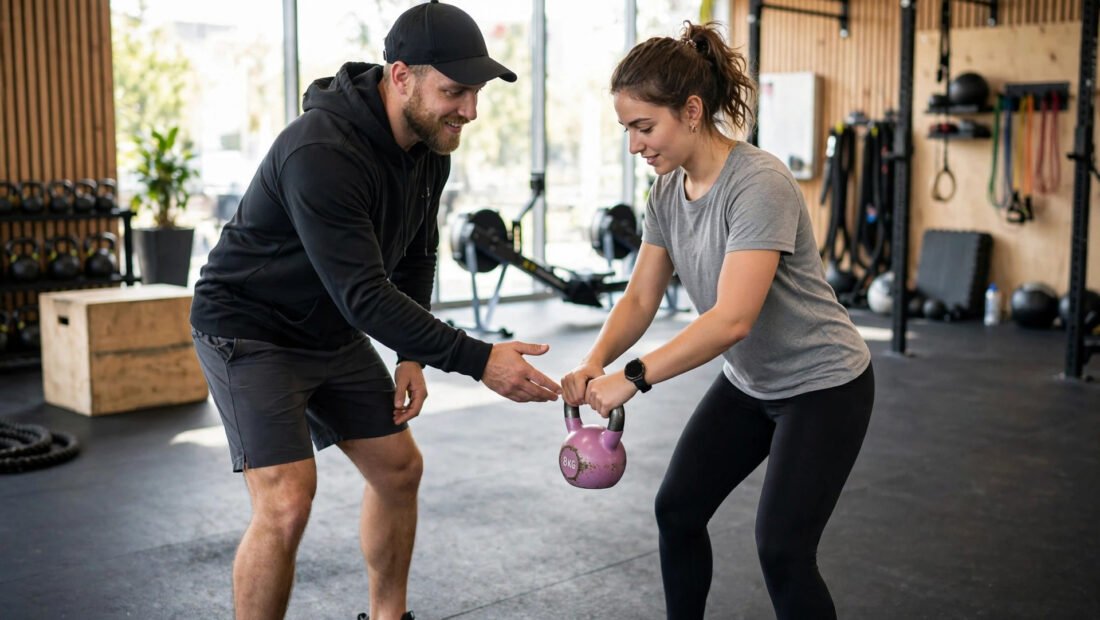
That distinction matters because a good beginner program removes exactly those risk factors: no timed heavy technical lifts, no max-effort anything, scaled movements, and coaches watching every rep. A bad one throws you into the regular class on day one and yells “one more rep.”
What the Injury Research Really Says
Let’s look at numbers instead of anecdotes. Peer-reviewed studies on CrossFit injury rates consistently land around 2–4 injuries per 1,000 training hours — comparable to recreational weightlifting and lower than most team sports like soccer or basketball. Shoulders, lower back, and knees top the injury list, and the most common mechanisms are exactly what you’d guess: lifting too heavy with poor form, inadequate warm-up, and returning from injury too aggressively.
Two findings matter most for beginners. First, injury risk correlates strongly with coaching quality and scaling — beginners at gyms with structured on-ramp programs get hurt far less than drop-ins thrown into advanced classes. Second, previous injury is the biggest predictor of new injury, which means being honest with your coach about your history isn’t optional. The CDC’s physical activity guidelines and the HHS Move Your Way campaign both support vigorous exercise for adults — the question was never whether intensity is healthy, but whether your gym manages it responsibly.
Red Flags: How to Spot a Bad Box
Visit before you commit, and watch a class. Walk away if you see any of these:
- No on-ramp or foundations course. Legitimate boxes require beginners to complete several sessions learning basic movements before joining regular classes. If they let you jump straight into “Fran” on day one, leave.
- Coaches who can’t articulate scaling. Ask: “What would you have a 55-year-old beginner do instead of a muscle-up?” A good coach answers instantly with three options. A bad one says “just try your best.”
- Form breakdown celebrated as effort. If the room cheers rounded-back deadlifts because the clock is running, the culture values intensity over safety. Culture is set by the head coach — it won’t change for you.
- No questions about your history. A proper intake asks about injuries, medical conditions, and experience. Skipping it signals they don’t individualize anything.
- Pressure to sign long contracts immediately. Good gyms offer trial weeks or month-to-month starts because they’re confident you’ll stay.
Green Flags: What a Good Beginner Experience Looks Like
The gold standard is a 4–8 session foundations course covering squats, hinges, presses, and basic gymnastics — with a coach correcting your positions every rep. In regular classes afterward, expect the coach to offer you scaled versions before you ask, to cap your weights when your form wavers, and to check in about soreness versus pain. (Soreness: dull, bilateral, fades in 48–72 hours. Pain: sharp, one-sided, or joint-specific — that’s a stop signal.)
Also ask about class size. A coach watching 20 athletes can’t see your deadlift; a coach watching 10 can. Smaller classes cost more and are worth it for your first six months.
What About Rhabdo and the Scary Stories?
You’ve probably heard of rhabdomyolysis — “rhabdo” — the condition where extreme exertion breaks down muscle tissue dangerously. It’s real, it’s serious, and it’s also extremely rare, occurring almost exclusively when deconditioned people do maximal eccentric exercise (think 100 pull-ups on day one) without scaling. A responsible coach prevents it the same way they prevent everything else: scaling volume for beginners, enforcing rest, and watching for warning signs like cola-colored urine or extreme swelling. Ask the head coach directly how they handle rhabdo prevention — a knowledgeable, specific answer is another green flag, while a blank stare is not.
Your First 90 Days: A Realistic Plan
Weeks 1–4: foundations course plus 2–3 scaled classes per week. Everything should feel challenging but controlled; you should leave energized, not destroyed. Weeks 5–8: build to 3–4 classes weekly, start tracking your weights, and learn the difference between productive discomfort and warning signs. Weeks 9–12: you’ll know whether the programming, coaching, and community fit you. Many beginners also benefit from structuring their overall routine — our guide on making your workout plan more effective covers how to balance CrossFit days with recovery, and how long it takes to build a consistent workout habit sets realistic expectations for the adaptation curve (spoiler: about two months before it feels automatic).
If your lower back complains early — common for desk workers — address it directly rather than pushing through. Our overview of the best exercises for lower-back pain at home covers the core and mobility work that keeps beginners’ backs happy alongside training.
Conclusion
CrossFit is safe for beginners with no gym experience when three conditions hold: a gym with a real on-ramp program, coaches who scale aggressively and correct form relentlessly, and a beginner — you — who checks their ego, speaks up about pain, and treats the first three months as school, not sport. The methodology works; the variance is in the coaching. Tour two or three boxes in your Texas city, watch how they treat their newest members, and trust what you see over what the website promises. Done right, you’ll be stronger, fitter, and more capable in 90 days than most gym routines deliver in a year.
Frequently Asked Questions
Do I need to be fit before starting CrossFit?
No — that’s what scaling is for. Every workout can be adjusted to your current level. The only prerequisite is a gym willing to meet you where you are, which is exactly what the on-ramp process tests.
How often should a beginner do CrossFit?
Start with 2–3 sessions per week with rest days between. Your connective tissue adapts slower than your enthusiasm; ramping to 4–5 days too fast is the classic beginner injury pathway.
Is CrossFit bad for your joints?
Not inherently. Studies show injury rates comparable to other recreational exercise when coaching is good. High-rep Olympic lifts under fatigue are the highest-risk element — a good coach scales or substitutes these for beginners.
What should I eat before a CrossFit workout?
A familiar meal with carbs and some protein 2–3 hours before, or a light snack (banana, toast) 30–60 minutes prior. Avoid training fasted as a beginner — low blood sugar plus intensity is a miserable combination.
How much does CrossFit cost in Texas?
Typical Texas boxes charge $130–$200/month for unlimited classes, with foundations courses often $100–$200. It’s pricier than a big-box gym because you’re paying for coaching, not just equipment access.