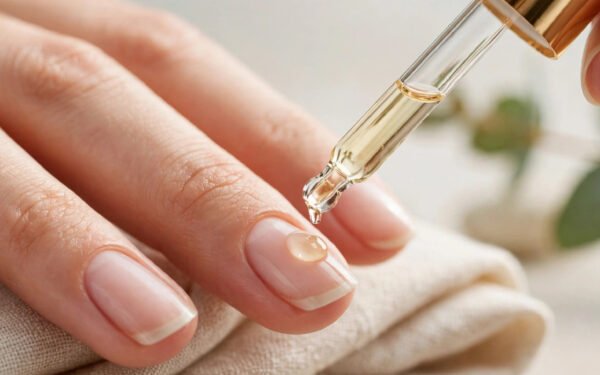
The $24 bottle sat in the bathroom cabinet for six weeks and turned orange. It did not start that color. It started clear, promised brighter skin, and then slowly darkened on the shelf between uses. That bottle tells the whole vitamin C story in one object. The ingredient itself has strong support. The product on your shelf can still fail you completely if the formula is weak or the storage lets air, light, and heat destroy it before you finish it.
Vitamin C serum, in its active form called L-ascorbic acid, is used to support brighter skin, fade dark spots, and back up sunscreen during the day. Whether it is worth adding depends less on the name on the front and more on strength, packaging, freshness, and whether your skin can tolerate it. Weigh the gains against the drawbacks before you spend anything.
What Vitamin C Can Do When the Formula Holds Up
During the day, skin faces ultraviolet light and pollution that create free radicals, which damage collagen and deepen photoaging over time. Vitamin C works as an antioxidant, helping neutralize those free radicals. It does not replace sunscreen. It sits under sunscreen and adds a second layer of defense.
It also helps with uneven tone. Vitamin C slows melanin production, which is why dark spots and marks left after acne can fade with steady use. That change is slow. Expect six to twelve weeks for brightening and spot fading to become clear, not a week. A third benefit builds even more slowly. Vitamin C supports collagen production, so firmness and fine lines may improve over three to six months of steady use.
Those timelines matter for judging value. If you need an instant fix for an event this weekend, this is the wrong product. If you want a daily step that helps prevent new sun damage while old spots fade, it fits well. Texas sun makes that daily role more relevant, not less. Long, bright summers in places like Austin, Dallas, and Houston mean more ultraviolet exposure across the year, so a morning antioxidant under sunscreen has more work to do.
The Pros
- Broad, well-studied benefits in one step. Few low-cost ingredients cover antioxidant protection, brightening, and collagen support at once. You get three jobs from a few drops each morning.
- It makes sunscreen work harder. Used under sunscreen, a stable formula with vitamin E and ferulic acid alongside vitamin C improves protection against sun-related damage compared with vitamin C alone. The pairing is the point, not the serum by itself.
- Good options exist at drugstore prices. Solid formulas in the $15 to $30 range can meet the same checklist as far pricier bottles: 10 to 20 percent L-ascorbic acid, opaque packaging, and a fresh, pale liquid. Price alone does not predict performance.
- It pairs well in a full routine when timed right. Vitamin C in the morning and retinol at night cover day and night without crowding each other. If you are also thinking about that night step, read up on how to start retinol safely as a beginner so the two products do not both irritate your skin in the same week.
- Results can be checked with your own eyes. Take a plain photo in the same light every two weeks. Dark spots, overall dullness, and makeup sitting more evenly are visible changes you can track without guessing.
The Cons
- It goes bad fast. Light, air, and heat oxidize L-ascorbic acid. Clear turns to pale straw, then yellow, then orange or brown. Dark orange serum has degraded, may irritate skin, and should be replaced. A warm, steamy bathroom is one of the worst storage spots for it.
- Strength cuts both ways. Below 10 percent is often too weak to do much. Above 20 percent adds irritation for most people without clear extra benefit. Stronger on the label does not mean better on skin.
- It can sting, flush, or break some people out. Mild tingling for a minute can be normal at first. Burning, lasting redness, or itching is not. Sensitive skin and active rosacea often do better with a gentler derivative such as sodium ascorbyl phosphate, ascorbyl glucoside, or THD ascorbate, which tend to be less potent but far easier to tolerate.
- Packaging tricks waste money. Clear bottles and open droppers let in light and air with every use. A large bottle that takes four months to finish may oxidize halfway through, so the second half is money spent on a product that no longer works.
- It does not do every job. It will not shrink pores, clear cystic acne, or erase deep wrinkles on its own. Deep lines are more a retinol conversation, and active acne needs its own treatment plan. Buying vitamin C to solve the wrong problem leads to a fair product being blamed unfairly.
- Layering mistakes cause irritation. Using a strong vitamin C serum in the same routine as strong exfoliating acids or benzoyl peroxide raises the chance of redness and peeling. Crowding actives is a common reason beginners quit.
How to Tell a Good Bottle From a Bad One
Read the ingredient list, not the front claims. Ignore promises such as twenty times brighter in seven days. Look for L-ascorbic acid near the top of the list at 10 to 20 percent if your skin is not sensitive. Look for vitamin E and ferulic acid in the same formula if you can find them. Choose an opaque bottle with a pump over a clear bottle with a dropper. Check that the liquid inside is clear to pale straw when new. If it arrives yellow-orange, return it.
Buy small. A one-ounce bottle you finish in about two months beats a two-ounce bargain that turns orange before the end. Store the bottle in a cool, dark drawer or cabinet away from shower steam. Close it right after use. In a Texas summer, do not leave it in a hot car or on a sunny windowsill even for an afternoon. Heat speeds up the same breakdown that ruined the cabinet bottle.
For broader safety and product basics, the American Academy of Dermatology’s skin care guidance is a steady place to check how sunscreen, moisturizer, and active products fit together before you add a new step.
How to Use It Without Wrecking Your Barrier
Use it in the morning, because daytime is when its antioxidant role matters most. Wash your face, pat skin dry, then apply three to four drops for the whole face. Dry skin matters: applying to wet skin can increase both penetration and irritation. Wait about a minute, then add moisturizer, then sunscreen. Sunscreen stays non-negotiable on top. Vitamin C backs sunscreen up. It never stands in for it.
Start every other morning for the first two weeks. If there is no burning or lasting redness, move to daily use. Keep other strong actives out of the same morning routine while you adjust. Niacinamide can be used with vitamin C; the old claim that the two cancel each other out no longer holds for modern formulas. Keep retinol at night and vitamin C in the morning to lower irritation and keep each product in the slot where it helps most.
Skip it for now if your barrier is already damaged. If your skin stings when you apply plain moisturizer, feels raw, or reacts to almost everything, pause actives for about two weeks and rebuild with gentle cleansing and moisturizer first. Adding a strong serum to a broken barrier almost always ends with the serum being blamed and the barrier getting worse. Patch test a new product on a small area for several days if your skin is reactive, and check with your own clinician if you are pregnant and unsure about any active, even though topical vitamin C is generally considered low risk by many dermatologists.
Who Gets the Most Value, and Who Should Wait
The best fit is someone with dull skin, sun spots, or post-acne marks who will use sunscreen daily and can wait two to three months for change. People who spend a lot of time outdoors in strong sun also get more from the added daytime protection, as long as sunscreen and shade remain the main defense.
Wait if your skin is currently inflamed, if you have just started several other actives at once, or if you know you will store the bottle in a hot bathroom and use it only once a week. Slow, irregular use of an unstable product is the exact setup that produces the orange bottle and the conclusion that vitamin C does nothing.
Verdict
Yes, vitamin C serum is worth adding for most people, with strict conditions. Buy a fresh 10 to 20 percent L-ascorbic acid formula in opaque, air-restrictive packaging, or a gentle derivative if your skin is sensitive. Store it cool and dark, use it each morning under sunscreen, and give it a full six to twelve weeks before you judge brightening. Toss any bottle that turns orange or brown and do not try to use it up to save money. Irritated skin costs more than a replacement bottle.
Skip the $80 luxury vial unless its formula and packaging beat the $15 to $30 options on that checklist, which they often do not. The value is not in the brand name. It is in a stable formula, used daily, finished while it is still alive. Meet those conditions and this is one of the few skincare steps where the benefit matches the attention it gets. Fail them, especially on storage and freshness, and even a good ingredient will look like a waste of money.