Concert tickets used to be an impulse buy. Now they’re a budget line item. If you haven’t bought tickets in a few years, the prices might genuinely shock you — the average concert ticket has climbed dramatically, and the fees stacked on top have become a running joke that isn’t funny anymore.
So how much does it cost to go to a concert these days, really? The honest answer: anywhere from $25 to $500+, depending on the artist, the venue, and how cleverly you buy. Here’s the full breakdown — what drives the prices, what the all-in cost looks like, and how to pay less without missing the show.
The Real Numbers: What Concerts Cost in 2026
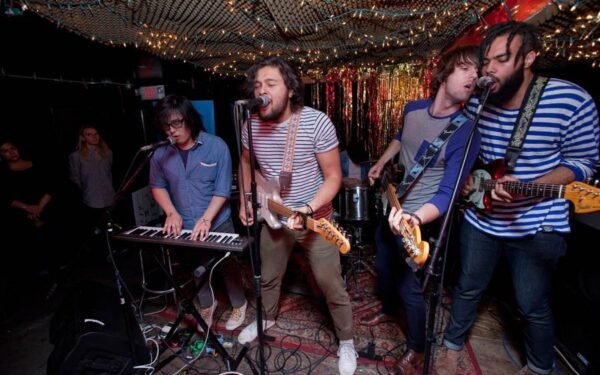
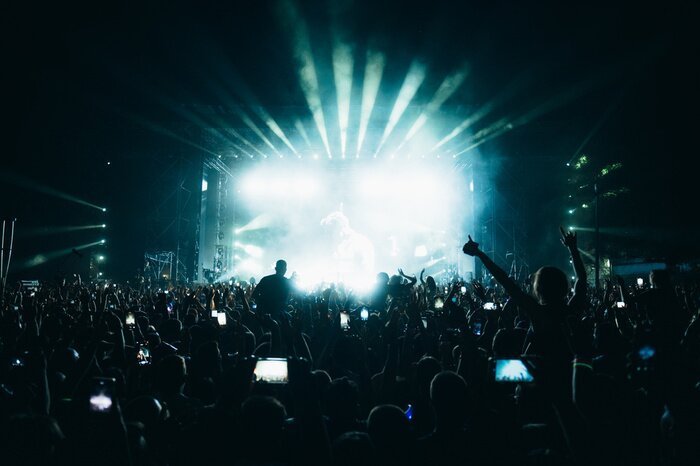
Let’s talk actual ranges. Club shows and small venues: $20 to $50 — still the best value in live music, and often the best experience. Theater shows (1,000 to 3,000 capacity): $40 to $120. Arena shows for major artists: $80 to $250 for decent seats, with floor and lower-bowl prime seats running $250 to $500+. Stadium tours for the biggest names: $100 to $600+, with VIP packages climbing past $1,000.
Then come the fees — the part that enrages everyone. Service fees, facility charges, and order processing typically add 20 to 30% to the ticket price. A $100 ticket becomes $125 to $130 at checkout. Some jurisdictions have started requiring all-in pricing upfront, which helps, but the fees haven’t gone away — they’re just disclosed earlier. Always budget the all-in price, not the advertised price.
The True All-In Cost (It’s Not Just Tickets)
Tickets are only the beginning. Parking at arenas and stadiums runs $20 to $60 (downtown venues often more). A beer inside is $12 to $18; a bottle of water, $5 to $7. Merch — the t-shirt you’ll actually wear — is $40 to $60 for headliners. Dinner before the show: $30 to $60 per person. For two people at an arena show, the realistic all-in is $300 to $600 for the evening. That’s the number to budget, not the ticket face value.
Dynamic pricing is the other shock. Major sellers now adjust prices based on demand in real time — the same seat costs more on Friday than Tuesday, more after a viral moment, more as the show nears sellout. It’s airline pricing applied to concerts, and it means buying early (or very late) beats buying in the panicked middle. Presales, fan club codes, and credit card presales can secure better prices before dynamic pricing fully kicks in.
Reference: Pollstar concert industry data.
Reference: FTC guidance on event ticket fees.
How to Pay Less for Concerts
The strategies that actually work:
- Buy during presales with fan club or credit card codes — prices are lowest before dynamic pricing ramps up.
- Check the resale market day-of. Prices often drop in the final hours as sellers get desperate.
- Consider obstructed-view or upper-bowl seats. The music sounds the same; the savings are real.
- See artists at smaller venues on their way up — $30 club shows beat $300 arena shows for pure experience.
- Split costs: carpool for parking, eat before you go, set a merch budget in advance.
- Follow venues on social media for last-minute ticket drops, contests, and discount codes.
- Look into venue memberships or season packages if you attend shows regularly — per-show costs drop significantly.
Is It Still Worth It?
Here’s my honest take after years of concert-going at every price tier: yes, but be selective. A great live show is one of the few entertainment experiences that can’t be replicated at home — the crowd energy, the volume you feel in your chest, the unrepeatable moments. But not every show is worth $200. Save the big spending for artists you genuinely love, and fill the gaps with $30 club shows, which are often better nights anyway.
The value hierarchy, in my experience: small clubs (best experience per dollar, full stop), theaters (great sound, reasonable prices), arenas (spectacle, high cost), stadiums (event of the summer, budget accordingly). And free shows — summer concert series, festivals with free days, street fairs — are criminally underrated. Some of my favorite live music memories cost exactly zero dollars. The price tag doesn’t determine the magic; the music and the moment do.
Frequently Asked Questions
Why are concert fees so high?
Service fees, facility charges, and order processing typically add 20–30% to face value — the industry’s least-loved tradition. Some jurisdictions now require all-in pricing upfront, which helps transparency but hasn’t reduced the fees. Always budget the checkout price, not the advertised price; the gap is real and consistent.
When’s the cheapest time to buy concert tickets?
Presales (before dynamic pricing ramps up) or the final 24–48 hours before the show (when resellers get desperate and drop prices). The panicked middle — buying weeks out at peak dynamic pricing — is the most expensive window. Patience is literally profitable in the ticket market.
Are VIP packages worth it?
Rarely, for most fans. The math only works if you’d independently pay for every component (early entry, merch, lounge) at the package’s implied prices — and most packages pad with low-value perks. The exceptions: genuine experiences (soundcheck access, meet-and-greets) for die-hard fans of an artist. Otherwise, buy the good seat and skip the bundle.
More from Daily USA Post
- Related: what are the best budget-friendly dinner party menus
- how do I host a movie night at home like a theater, explained in detail
- Also see: how do I plan the perfect game night for couples
A concert these days costs $25 to $600+ all-in depending on the artist and venue, with fees adding 20 to 30% and the full evening (parking, food, merch) often doubling the ticket price. Buy in presales, watch resale prices day-of, eat beforehand, and don’t sleep on $30 club shows — the best value in live music. Budget the all-in number, spend big only on artists you love, and the magic stays worth every penny.
Spend the savings on the show that actually matters to you — the smart buyer sees more live music, not less, for the same budget.