There’s a specific magic to a theater — the lights going down, the screen glowing huge in the dark, the sound wrapping around you — and most of it has nothing to do with the building. It’s staging. And staging is something you can absolutely recreate at home, whether your budget is $50 or $5,000.
I’ve hosted movie nights across that whole range, from a laptop on a coffee table to a full backyard projector setup, and the truth is that 80% of the theater feeling comes from 20% of the effort: darkness, sound, and snacks. Here’s how to host a movie night at home like a theater, tier by tier.
The Three Tiers: How to Host a Movie Night at Home Like a Theater
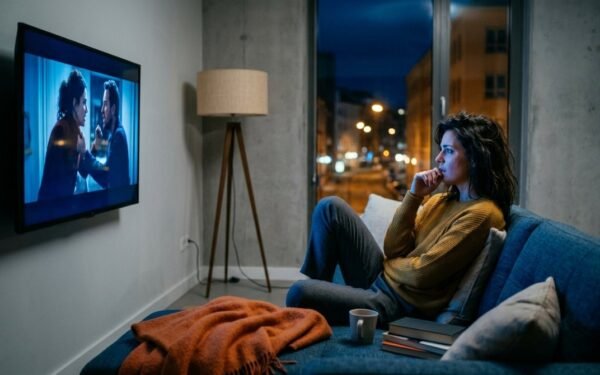
Tier 1 — the $50 upgrade: blackout the room (blankets over windows work), turn off every light and LED, connect your TV or laptop to any external speaker or soundbar (TV speakers are the weakest link in every setup), and make real popcorn. This alone transforms the experience — darkness plus decent sound is 80% of theater magic, and you probably own most of it already.
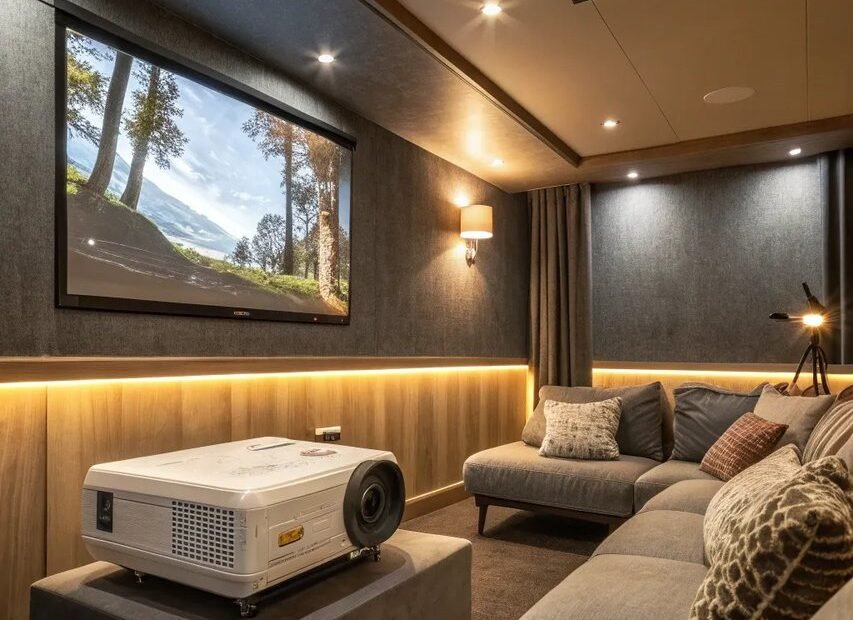
Tier 2 — the projector setup ($150 to $400): a budget 1080p projector and a white wall or $30 projector screen gives you a 100-inch image that no TV under $1,000 can match. Add a basic soundbar with a subwoofer and you’ve got genuine cinema scale. This is the sweet spot — the price of a few family trips to the theater buys a permanent theater. Tier 3 — the dedicated room: blackout curtains, a 4K projector or big OLED, surround sound, and theater seating. Wonderful, but honestly? Tier 2 gets you 90% of the feeling for 20% of the cost.
Sound Matters More Than Picture
Here’s the insider secret: audiences forgive mediocre picture far more easily than bad sound. A 720p projector with great audio feels more ‘theater’ than a 4K TV with tinny speakers. If you upgrade one thing, upgrade sound — even a $100 soundbar is a revelation after TV speakers. Position it centered under the screen, and if it has a dialogue mode, use it; clear dialogue is the unsung hero of home theater.
For backyard setups, a portable Bluetooth speaker can work in a pinch, but a wired connection avoids the lag that makes dialogue look dubbed. And keep volume neighbor-friendly outdoors — the goal is a great night, not a noise complaint. A projector with a built-in speaker is a fine start, but plan to add real audio; built-in projector speakers are universally weak.
Reference: Wirecutter’s home theater guides.
Reference: ProjectorCentral reviews and advice.
Theater Night Checklist
Everything that sells the illusion:
- Kill all light: blackout curtains, blankets over windows, tape over LED indicators. Darkness is non-negotiable.
- Upgrade audio before video — a soundbar transforms the experience more than any screen upgrade.
- Projector sweet spot: 1080p, 100-inch image on a white wall or basic screen, seated 10–12 feet back.
- Make theater popcorn: stovetop-popped, real butter, salt. Serve in paper bags or bowls for authenticity.
- Build a concession stand: candy boxes, sodas on ice, nachos. The stand is half the fun for kids.
- Print or hand-write ‘tickets’ — a silly touch that kids absolutely love and adults secretly enjoy.
- Start with 20 minutes of pre-show: trailers on YouTube, lights dimming, phones away. The ritual matters.
Backyard Theater: The Ultimate Version
If you have a yard and mild evenings, the backyard theater is the peak home movie experience. Hang a white sheet or projector screen on a fence or between trees, set the projector on a stable table 10 to 15 feet back, run audio through outdoor-friendly speakers, and arrange seating with blankets, lawn chairs, and sleeping bags. Start the movie at full dark — check sunset times and plan accordingly.
Bug control matters: citronella candles and a box fan (mosquitoes are weak flyers) keep the audience comfortable. Have blankets ready even on warm evenings — temperatures drop after dark and a chilly audience leaves early. And always have a rain plan or a weather app open; there’s no sadder sight than a projector getting rained on. Done right, a backyard movie night becomes the neighborhood legend — expect requests to make it a tradition.
Frequently Asked Questions
Do I need a real projector for a theater feel?
No — 80% of the theater feeling comes from darkness, sound, and ritual, all achievable with a TV or laptop. Kill every light, add any external speaker (TV speakers are the weak link), make real popcorn, and do a pre-show. A projector adds genuine cinema scale for $150–$400, but it’s an upgrade, not a requirement.
What’s more important: picture or sound?
Sound, by a mile. Audiences forgive mediocre picture far more easily than bad sound — a 720p projector with great audio feels more ‘theater’ than a 4K TV with tinny speakers. If you upgrade one thing, make it audio: even a $100 soundbar is a revelation after TV speakers.
How do I handle the intermission?
Plan one for movies over two hours — 10 minutes, lights half-up, concession stand open. It prevents the fidgety second half, gives everyone a break, and honestly adds to the theater authenticity. Old Hollywood did intermissions; your living room can too. Announce it beforehand so nobody’s surprised.
More from Daily USA Post
- what is the best temperature to bake chocolate chip cookies — what you need to know
- Keep reading: how do I make perfect scrambled eggs every time
- Related: what are the best true crime podcasts for beginners
To host a movie night at home like a theater, prioritize darkness, sound, and ritual: blackout the room, add any external speaker, make real popcorn, and build the pre-show experience with tickets and a concession stand. A budget projector takes it to genuine cinema scale for a few hundred dollars. The building was never the magic — the staging was, and now it’s yours.
This weekend, do the Tier 1 version: blackout the room, hook up any external speaker, make real popcorn, and run a 20-minute pre-show. Total cost: maybe ten dollars. Then notice how different it feels from a normal night of TV. That feeling is the theater magic — and it’s been in your house all along.