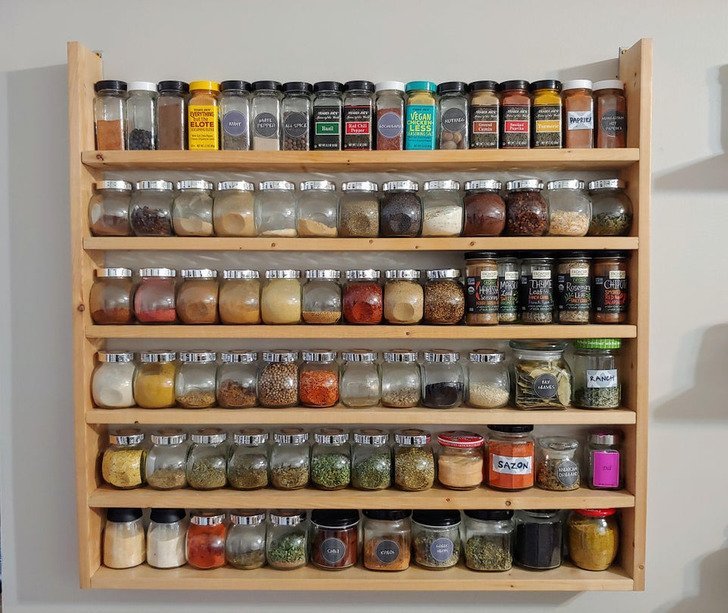
A starter spice rack should make cooking easier, not more confusing. But walk down the spice aisle and you’re facing a hundred jars, and half the ‘essential’ lists online include things like grains of paradise that you’ll use once and forget. That’s not a starter rack — that’s a museum.
The best spices to keep in a starter spice rack are the ones that show up in recipes constantly: the workhorses that season everything from eggs to chili to roast chicken. Fifteen jars cover roughly 90% of home cooking. Here’s the list, what each one does, and the buying and storage rules that keep them potent.
The 15 Best Spices to Keep in a Starter Spice Rack
Start with the universal five — the ones no kitchen functions without. Kosher salt (technically a seasoning, but the foundation of everything), black peppercorns (whole, in a grinder — pre-ground pepper is a shadow of the real thing), garlic powder (the weeknight savior for everything from vegetables to meat rubs), onion powder (background savoriness in soups, dips, and breading), and red pepper flakes (heat on demand for pasta, pizza, and stir-fries).
Then the baking and warmth group: ground cinnamon (oatmeal, baking, curries, chili), ground cumin (tacos, chili, Middle Eastern and Indian dishes — the most-used spice in my kitchen after pepper), paprika (sweet or smoked; color and gentle flavor for eggs, chicken, and potatoes), chili powder (the blend, for chili and Tex-Mex), and dried oregano (Italian, Greek, and Mexican cooking). Round it out with bay leaves (soups and braises — remove before serving), dried thyme (roasts, soups, vegetables), ground ginger (baking and Asian dishes), turmeric (curries and golden milk — and it stains everything, so handle with care), and cayenne (pure heat when flakes aren’t the right texture).
Buying Smart: Whole vs Ground, and When to Splurge
Buy small quantities. Ground spices lose potency within 6 to 12 months — that giant warehouse tub of paprika will be sawdust-flavored long before you finish it. Small jars you replace yearly beat bulk buys every time. Buy whole where it counts: peppercorns, cumin seed, and coriander seed ground fresh are dramatically more aromatic than their pre-ground versions, and a $15 spice grinder (or coffee grinder dedicated to spices) pays for itself in flavor.
Where should you splurge? Vanilla extract (real, not imitation — the difference is stark in anything unbaked), cinnamon (Ceylon/’true’ cinnamon for delicate desserts, cassia for bold baking), and smoked paprika (the Spanish kind, pimentón, transforms eggs and potatoes). For the everyday workhorses — garlic powder, onion powder, oregano — the store brand is genuinely fine. Spend the premium where you’ll taste it.
Reference: McCormick’s spice storage and usage guides.
Reference: Serious Eats on stocking a spice cabinet.
Spice Rack Rules
Keep them potent and organized:
- Store away from heat, light, and moisture — not above the stove. A dark cabinet or drawer is ideal.
- Date jars when you open them. Ground spices: replace yearly. Whole spices: good for 2–3 years.
- The sniff test: crush a pinch and smell. Strong aroma means alive; dusty nothing means replace it.
- Buy whole peppercorns, cumin, and coriander — grind fresh for dramatically better flavor.
- Keep salt and pepper at the stove for daily use; everything else lives in the dark cabinet.
- Bloom spices in hot oil or butter for 30 seconds before adding liquids — it wakes up fat-soluble flavors.
- Toast whole spices in a dry pan until fragrant before grinding for maximum depth.
What to Skip (for Now)
Resist the 40-jar starter sets. They look impressive and guarantee that 25 jars expire untouched. Skip the exotics until a recipe you actually cook regularly demands them: cardamom, saffron, sumac, za’atar, and herbes de Provence are wonderful, but they’re chapter-two spices. Buy them when a dish you love needs them, not before.
Also skip ‘Italian seasoning’ and similar blends at first — not because they’re bad, but because learning oregano, thyme, and basil individually teaches you what each contributes. Once you know the components, blends become a convenience rather than a mystery. And skip pre-mixed ‘steak seasoning’ and the like; salt, pepper, and garlic powder do the same job for a tenth of the price. Your starter rack should be fifteen jars you reach for weekly, not forty you dust monthly.
Quick Answers to Common Questions
How long do ground spices actually last?
About 6–12 months after opening before flavor fades noticeably — the sniff test (crush a pinch; strong aroma means alive) is more reliable than any date. Whole spices last 2–3 years. That giant warehouse tub of paprika will be sawdust long before you finish it; buy small jars and replace yearly. Dating jars when you open them makes this effortless.
Is it worth grinding my own spices?
For three of them, absolutely: black pepper, cumin, and coriander are dramatically better fresh-ground — the difference is immediately obvious. A $15 grinder pays for itself in weeks. For the rest (cinnamon, turmeric, paprika), pre-ground is fine. Don’t grind everything; grind where it counts.
What’s the difference between sweet and smoked paprika?
Sweet (or Hungarian) paprika is mild, sweet-peppery — the classic deviled-egg dusting. Smoked (Spanish pimentón) is dried over oak fires, adding deep smoky complexity that transforms eggs, potatoes, and stews. They’re not interchangeable; smoked paprika dominates a dish while sweet paprika supports it. Own both — they’re cheap and the starter rack’s best value.
More from Daily USA Post
- Keep reading: how do I find concerts happening near me
- Related: how can I get better at trivia night with friends
- what are the best weekend binge-worthy drama series, explained in detail
The best spices for a starter spice rack are the fifteen workhorses: salt, pepper, garlic powder, onion powder, red pepper flakes, cinnamon, cumin, paprika, chili powder, oregano, bay leaves, thyme, ginger, turmeric, and cayenne. Buy small, store dark and cool, grind a few fresh, and skip the giant sets. Fifteen jars, used constantly and replaced yearly, will season better food than forty jars gathering dust.