
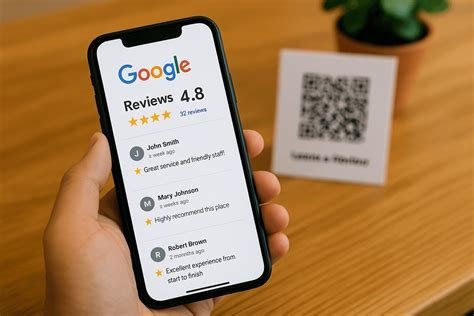
Here is the quiet unfairness of online reviews: a delighted customer leaves thinking “I should really write them a review,” and never does. A furious one writes six paragraphs before the car has left the car park. So the businesses with the most reviews are rarely the best businesses — they are the ones that built asking into the way they work. The good news is that asking well is a checklist, not a talent. Here is the whole list up front, then the detail behind each item.
The checklist
- Claim and finish your Google Business Profile, so there is a good page for reviews to land on
- Get your short review link and turn it into a QR code
- Ask at the moment of peak happiness, in person, by name
- Follow up once, within 24 hours, with the link included
- Ask every customer the same way — never filter for the happy ones
- Reply to every review, good and bad
- Put the ask into your receipts, invoices, packaging and email signatures
- Never buy reviews, never pay for them, never offer a discount for one
- Read reviews monthly for the patterns, not just the stars
Start with the page the reviews land on
Before chasing new reviews, make sure the profile deserves them. Claim your Google Business Profile if you have not, and finish it properly: correct hours, real photos, every service listed, the right categories. Customers who click through from a friend’s recommendation judge the whole business from this page in about ten seconds, and a half-empty profile quietly wastes the reviews you already have. The finished profile is also step zero of local marketing generally — it sits at the top of our list of the cheapest ways to market a new local business for a reason.
Make leaving a review a one-tap job
Every extra step between “sure, I’ll leave a review” and the review box costs you most of the people who said yes. Google gives every business a short link that opens the review form directly — Google’s own guide to asking customers for reviews shows where to find it and how to share it. Save that link everywhere: as a QR code on a small card at the till and on the table, in your booking confirmation texts, on the invoice template, in the email signature of whoever sends the “thanks for your business” message. The QR code matters more than it looks: in person, a customer cannot type a long link, but they can point a phone camera while they are still smiling at the counter.
Ask at the peak, in person, like a human
Timing beats wording. The best moment is the moment of visible satisfaction: the car starts, the haircut lands, the meal ends with an empty plate and a compliment to the server. Train whoever is there — including yourself — to say one plain sentence at that moment: “It really helps us when people leave a Google review — would you mind? There’s a card there with the code.” Three things in that sentence do the work. It gives a reason (it helps us), it asks for a small specific thing, and it points at the tool that makes it easy. Ask once, warmly, and then let it go. Pressure produces either no review or an honest one you did not want. And make the sentence part of how you train anyone new: show them when to say it, let them hear you say it a few times, and it stops feeling like selling within a week. Most staff are not reluctant to ask — they just have never been given the words.
Follow up once, within a day
Most in-person yeses still evaporate — the customer gets home, life happens. One follow-up rescues a large share of them: a short text or email within 24 hours, while the experience is still fresh, thanking them and including the link. Keep it to one message. “Thanks again for coming in yesterday — if you’ve got a minute, a Google review would mean a lot: [link].” Two follow-ups is persistence; three is a reason to leave a different kind of review. If you run bookings or jobs from software, automate this message so it never depends on anyone remembering — the asking system works because it is a system, not a mood.
Ask everyone — and never, ever gate
It is tempting to steer the ask toward customers you are sure are happy and away from anyone who seemed grumpy. Resist it. Asking only pre-screened happy customers — called review gating — is against Google’s policies and can get reviews removed. It is also shortsighted: a steady stream of reviews that includes the occasional three-star looks real, and shoppers are right to be suspicious of a wall of nothing but five stars. Ask everyone the same way, and treat the unhappy responses as the cheapest market research you will ever get.
Reply to every single review
Replies are read by future customers far more than by the reviewer. Thank happy customers briefly and specifically — name the thing they praised and the person who did it, if you can. For negative reviews, reply like the whole street is listening, because it is: acknowledge the problem, do not argue about facts in public, state what you have done or will do, and offer a direct way to reach you. A calm, generous reply under a one-star review persuades more undecided readers than the review itself deters. Never copy-paste the same reply under every review; people can tell, and it turns a trust-builder into wallpaper.
The three ways businesses wreck this
Buying reviews. Marketplaces full of five-star reviews for sale are easy to find and catastrophic to use: Google removes them in sweeps, regulators treat fake reviews as deceptive marketing, and one screenshot from a competitor can undo years of reputation. Paying for reviews in kind — a free dessert, a discount next time — is the same offence with better manners; incentives attached to reviews are against policy whether the review is positive or not. Asking staff to review. Employees, family, and the owner under a cousin’s name all count as conflicts of interest. The checklist at the top of this page is slower than all three. It is also the only version still working a year from now.
Put the ask where the customer already is
The counter card and the follow-up message cover most businesses, but the same link belongs anywhere the customer meets you after the happy moment. Trades and home services: a small card left on the counter with the invoice, and the link in the text that confirms the job is done. Online sellers: a card in the parcel — not a discount bribe, just the QR code and one honest line about how much it helps. Salons, clinics and studios: the link inside the rebooking reminder you were sending anyway. Restaurants: the code on the bill folder beats a code on the door, because the bill is the last thing a satisfied table touches. The principle is boring and it is the whole game: the ask should appear at the natural end of a good experience, in a form the customer can act on in under thirty seconds.
Once a month, read them like reports
The last checklist item is the one owners skip, and it may be the most valuable. Once a month, read your newest reviews slowly and note what keeps coming up. Praise clusters tell you what to protect and what to put in your marketing — if six people mention the same staff member or the same small kindness, that is your real selling point, in your customers’ words. Complaint clusters are even more useful: three mentions of a long wait at the same hour, parking confusion, a phone that rings out. Each recurring complaint is a specific, fixable fault that you would otherwise have paid a consultant to find. Reply, fix, and — when you have genuinely fixed it — say so in a later reply. A profile where the owner visibly listens and improves is the strongest signal a small business can send a stranger who is deciding whether to trust it.
What “working” looks like
Expect a modest, compounding climb, not a flood: a small business that asks consistently typically collects a handful of reviews a month, every month, and within a year owns a profile that visibly outranks competitors who never asked. The stars matter, but the count and the freshness — a few new ones arriving every month, year after year — matter more than most owners think — a customer choosing between 4.6 stars from 30 people and 4.4 from 300 usually trusts the 300. Set the system up once, work the checklist, and let ordinary happy customers — asked properly, at the right moment, with one tap to done — write your best marketing for you.




2 Comments