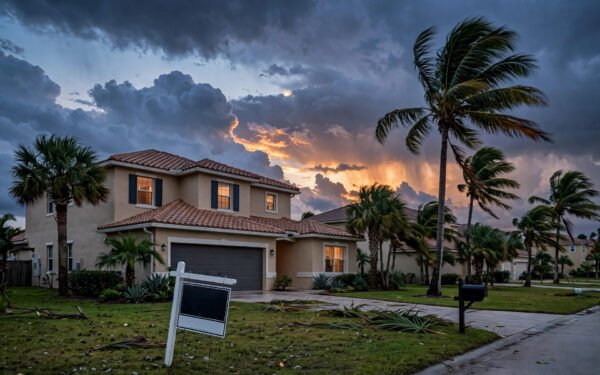
Most Texas buyers rehearse one number for months: the down payment. Then closing arrives, and a second bill shows up that nobody itemized at the open house. Across closing fees, escrow prepaids, taxes, insurance, and the first year of ownership, that second bill commonly runs $15,000 to $30,000 beyond the down payment. The costs are rarely secret. They are scattered across disclosures, county records, and renewal notices, which is why they ambush people. The budgeting mistakes come first here, because fixing the mistakes is what makes the full ledger useful.
Mistake One: Trusting the Seller’s Tax Bill as Your Tax Bill
A listing often makes taxes look gentle because the seller’s current bill is low. In Texas, that number can mislead you badly. Appraisal districts can reset taxable value toward your purchase price after a sale. A home bought for $380,000 that had been taxed at a $300,000 value can see its tax bill jump by more than 25 percent in a single year. That jump adds roughly $150 to $250 a month to an escrow payment, and the lender may also spread an escrow shortage repayment over 12 months on top of the higher amount.
Texas effective property tax rates of 1.6 to 2.2 percent already mean a $350,000 home carries about $5,600 to $7,700 a year in property tax. That can exceed insurance and private mortgage insurance combined. Budgeting from the seller’s old, lower figure hides the true weight of that cost for a full year, which is exactly when a new owner can least afford a surprise.
Mistake Two: Getting One Insurance Quote and Treating It as Fixed
Buyers often get a single quote during house hunting, write it into a spreadsheet, and never question it again. Texas insurance does not sit still. Premiums driven by hail, hurricanes, and severe storms have repriced sharply. A policy quoted at $1,800 while shopping can renew at $2,600. When insurance rises, escrow rises, and your total monthly payment rises with it, even though your loan itself never changed.
Roof age makes this worse in hail-prone North Texas. Some carriers decline roofs older than 15 years or price them at a steep premium. Along the Gulf Coast, separate windstorm and flood coverage can add thousands more. A single early quote tells you almost nothing about year-two cost on an older roof or a coastal address.
Mistake Three: Assuming the Homestead Exemption Happens on Its Own
The Texas homestead exemption helps in two ways: it reduces taxable value for school district taxes, and it caps annual appraisal increases at 10 percent. It is not automatic. You must file with your county appraisal district after closing. Buyers who assume the paperwork transfers with the deed lose a full year of protection, and that lost cap matters most in the year when value resets toward the purchase price.
Related to that mistake is ignoring stacked district taxes. Newer suburbs often sit in Municipal Utility Districts. A MUD rate stacks on top of city, county, and school levies. Total rates above 2.5 percent are common in new developments. Checking only the headline city or school rate understates the real bill by a wide margin.
Mistake Four: Counting Closing Costs as a Small Add-On
Closing costs in Texas typically run 2 to 5 percent of the purchase price. On a $350,000 home, that is $7,000 to $17,500. Buyers who pencil in a flat few thousand get hurt, because the largest lines are easy to overlook until the disclosure arrives.
Origination and underwriting fees often run 0.5 to 1 percent of the loan and may be split across several labels. Title insurance and search costs run into the thousands even though Texas regulates title rates. A new survey commonly costs $400 to $700. HOA transfer fees and capital contributions routinely run $500 to $2,000. Recording charges, tax certificates, courier and attorney fees look small alone and add up together. Above all, prepaid taxes and insurance collected into escrow up front are frequently the single largest closing item in Texas, because tax rates are high and lenders collect months in advance.
Mistake Five: Budgeting to the Keys and Nothing Past Them
The last mistake is treating closing day as the finish line. Even a well-inspected home shows needs in its first year. Moving and setup alone commonly run $1,500 to $5,000 for movers, plus deposits and connection fees for utilities, internet, and security. Window coverings for a dozen windows, a mower for a larger lot, and furniture that does not fit the new rooms all arrive at once.
Ownership adds its own Texas list. HVAC service before the first hard summer, foundation watering in clay-soil areas, and termite protection are normal costs, not bad luck. An HOA can cite a new owner for the prior owner’s dead landscaping or unapproved paint, with about 30 days to fix it. A longer commute quietly costs money too. Twenty extra miles a day is roughly $2,500 a year in fuel and wear. None of these lines appear on a closing statement, and all of them compete with the same bank account.
The Correct Way: Read the Full Ledger Before You Offer
Start with closing costs, early and line by line. Get the Loan Estimate as soon as you can. Keep it. When the Closing Disclosure arrives three days before closing, compare the two documents line by line and question any fee that grew without a clear reason. To understand what each charge should be, use the CFPB’s guide to closing costs and the Loan Estimate as your reference while you compare.
Next, price taxes at your purchase price, not at the seller’s value. Take the full stacked rate, including any MUD, and apply it to a value close to what you will pay. Write that higher figure into your budget from day one. Then file the homestead exemption with the county appraisal district immediately after closing, and plan to protest your appraisal each year. Texas owners who protest routinely save hundreds, and the habit matters more than any single year’s result.
Then handle insurance like a range, not a point. Get more than one quote. Ask directly how roof age affects price and eligibility. Add windstorm and flood costs separately if the home needs them. Budget a cushion of about 20 percent above the initial quote, and remember that any increase flows into escrow and lifts your monthly payment.
Plan first-year maintenance at 1 to 2 percent of the home’s value. On a $350,000 purchase, that is $3,500 to $7,000. That range covers the normal surprises: a water heater that fails in month four, an irrigation system an inspector could not fully test, or a fence section that gives way in the first storm. It also covers the Texas-specific items named above, so they stop being surprises at all.
For the order of jobs once you move in, and which fixes cannot wait, see what every new homeowner should know in the first month before you start spending the maintenance budget at random.
A Three-Bucket Budget That Holds Up
Put the corrected numbers into three buckets before you make an offer. Bucket one is cash to close: the down payment, the full closing costs at a realistic figure, plus three months of reserves you do not spend on the purchase. If bucket one empties your accounts, the purchase is too tight no matter how good the house looks.
Bucket two is first-year ownership: property taxes at the purchase-price value, insurance with its cushion, HOA and MUD charges, and the 1 to 2 percent maintenance allowance. Run this bucket for a full twelve months, including the year-two tax reset effect that often shows up in escrow within that first year. A budget that only works for six months does not work.
Bucket three is a separate surprise reserve of $5,000 to $10,000. Do not touch it for furniture, upgrades, or moving extras. It exists for the repair you did not predict. Keeping it separate matters. Money mixed into a general account gets spent on visible wants. Money held apart stays available for the invisible failure.
Test the three buckets against honest numbers before you fall for a house. A lender pre-approval tells you a maximum the lender will risk. It does not tell you what you can carry with taxes reset, insurance repriced, and a reserve still intact. Only your own ledger answers that.
Keep a simple file from the start. Save the Loan Estimate, the Closing Disclosure, the survey, the insurance quotes, and the county tax notice in one folder. When escrow changes or a tax notice arrives, you can check the new figure against the paper you already have instead of guessing from memory. That file also makes an appraisal protest easier, because your purchase price, closing date, and condition notes sit in one place when you need them.
One more cost deserves a clear-eyed mention, even though no bill arrives for it. A down payment of $70,000 sitting in home equity earns nothing in the way an investment account might. That opportunity cost is real economics, even when buying is still the right choice for stability, space, or schools. Naming it keeps the decision honest. You are choosing housing value and control, and giving up other returns to get them.
Counted fully, a Texas purchase costs the down payment plus the closing ledger, plus taxes priced at your value, plus insurance priced as a range, plus a year of maintenance and setup, plus a reserve that stays untouched. Buyers who run that count before offering rarely feel ambushed afterward. The home you can afford is not the one with the highest approval letter. It is the one whose total cost you have actually added up, bucket by bucket, and can still carry in year two.