
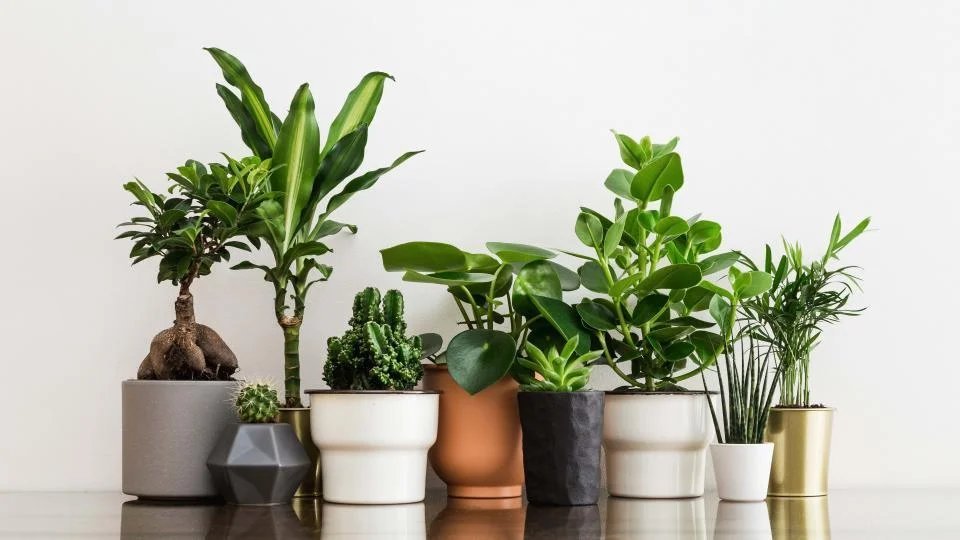
I’ve killed my share of houseplants — a fiddle leaf fig that never stood a chance, a fern that gave up in a week. Then I stopped fighting my schedule and started working with it. Three years later, I have 20+ thriving plants and spend maybe 15 minutes a week on them total. I used to think you couldn’t “keep houseplants alive with a busy schedule” — then frequent work trips forced me to build systems, and my plants have never been happier.
Keeping houseplants alive with a busy schedule isn’t about trying harder; it’s about choosing plants that forgive neglect and building systems that water themselves. The plant people with 200 specimens? They have systems. You can steal the concept at any scale.
Here’s the lazy person’s guide to plants that thrive on benign neglect.
Choose Plants That Forgive You
The single biggest factor in plant survival is picking the right plant, not being the right person. Start with the unkillable tier: snake plants (tolerate low light and months of neglect), ZZ plants (thrive on forgetfulness), pothos (tells you when it’s thirsty by drooping, then perks right up), and spider plants (nearly indestructible and make free babies).
Match the plant to your actual light, not your aspirational light. That dark hallway? Snake plant or ZZ. The sunny windowsill? Succulents and cacti. Most plant deaths are light mismatches or overwatering — and overwatering kills far more plants than underwatering. When in doubt, don’t water. Seriously.
Buy fewer, better plants. Five thriving plants beat fifteen struggling ones, and a small collection you can actually maintain builds confidence. You can always expand once the systems below are running. The University of Georgia Extension’s houseplant guides are excellent free references for specific care.
Build Watering Systems, Not Watering Habits
Habits fail; systems persist. The simplest system: pick one watering day (Sunday morning with coffee) and check plants then — not on a fixed schedule per plant, but by testing soil. Stick your finger an inch deep; dry means water, damp means wait. This takes five minutes for a dozen plants and prevents the number-one killer: routine overwatering.
Self-watering pots and globes handle vacations and forgetful weeks — a $10 self-watering planter keeps a plant happy for 2–4 weeks. For longer absences, the wick method (a cotton string from a water reservoir into the soil) works surprisingly well, or just move plants to the bathtub with an inch of water for a week.
Group plants together. It raises local humidity, looks better, and means you water one zone instead of hunting down pots across the house. I keep mine in three clusters, and watering day is a single pleasant loop rather than a scavenger hunt.
The 15-Minute Weekly Routine
Here’s the whole maintenance program: Sunday, 15 minutes. Water what’s dry, rotate pots a quarter turn (so growth stays even), wipe dusty leaves on the big ones (dust blocks light), and snip dead leaves. That’s it. Fertilize monthly in spring and summer with diluted liquid fertilizer — set a phone reminder for the first Sunday of the month, March through September.
Learn your plants’ distress signals and you’ll rarely lose one: yellow mushy leaves mean too much water; crispy brown edges mean too little (or low humidity); leggy stretched growth means not enough light; dropping leaves after a move means transplant shock — give it two weeks before panicking.
Accept some losses philosophically. Even great plant people lose plants — it’s how you learn. The goal was never perfection; it’s a home with living green things that mostly thrive while you live your busy life. If a plant dies, compost it without guilt and try a tougher species in that spot.
Keep Houseplants Alive With a Busy Schedule: The Vacation Problem
Travel is the real test of a busy person’s plant setup, so let’s solve it directly. For trips under a week: water thoroughly the day you leave, move plants away from direct sun (less light = less water use), and group them together on a tray with a shallow layer of water — the humidity bump buys you days. For 1–2 weeks: self-watering spikes or globes in every pot, plus the bathtub method for the thirsty ones (an inch of water in the tub, pots sitting in it, shower curtain closed to hold humidity). I’ve left for 12 days with this setup and lost nothing.
For longer absences, recruit a plant sitter — but make it foolproof. Don’t say ‘water my plants’; leave a numbered list with exact instructions (‘#3, the big pothos: one full watering can every Sunday’). Take photos of each plant labeled with its number. People kill plants with kindness (overwatering) more than neglect, so write ‘when in doubt, don’t water’ at the top. A $20 thank-you and a propagated cutting make it a fair trade. Between trips, the rainy weekend plant-repotting session is a perfect indoor project — and if the whole house needs attention too, our weekend declutter handles that.
Busy Person’s Plant Toolkit
- Start with snake plant, ZZ plant, pothos, spider plant
- Match plants to your real light conditions
- One watering day per week: finger-test soil, water only what’s dry
- Use self-watering pots for vacations and forgetful stretches
- Group plants in clusters for humidity and efficiency
- Rotate pots quarterly for even growth
- Wipe leaves monthly; snip dead growth weekly
- Fertilize monthly, spring through summer only
- Learn distress signals: yellow=mushy overwater, crispy=underwater
- When in doubt, don’t water
Let the Plants Work Around You
The mindset shift: you’re not adopting dependents, you’re adding low-maintenance roommates. The right plants in the right spots with a simple weekly check will thrive for years on 15 minutes a week — less time than you spend scrolling before bed.
Start with three plants this weekend. A pothos for the shelf, a snake plant for the corner, a spider plant for the hanging spot. Run the Sunday system for a month. When they’re all alive and growing — and they will be — you’ll know you’re a plant person now. The busy schedule was never the problem; the plant choices were.



