
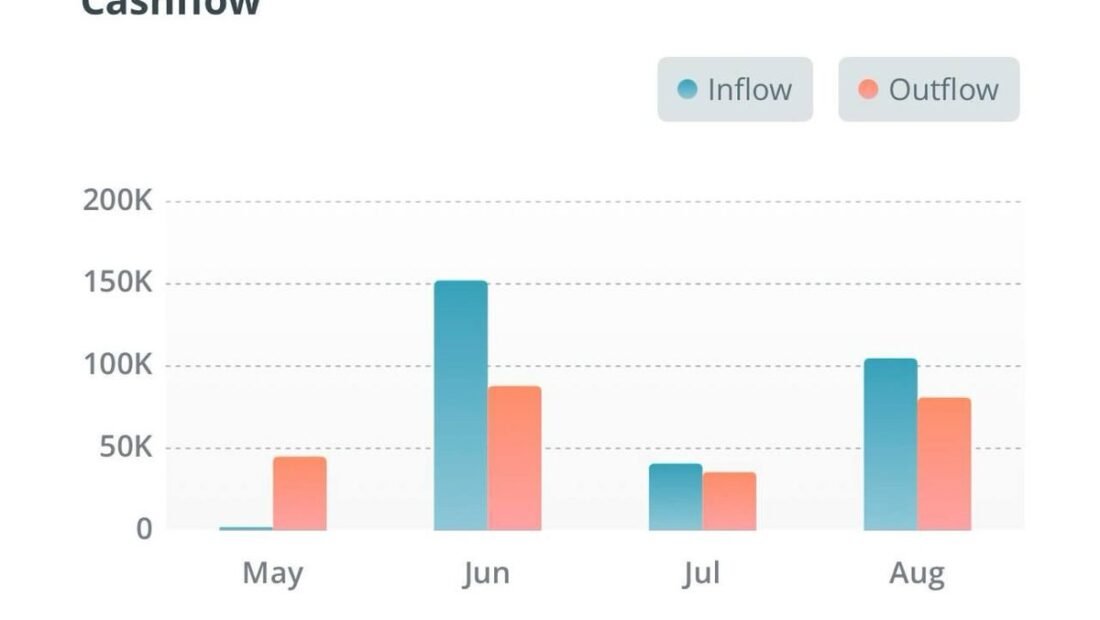
How can I improve cash flow in a seasonal business? It’s a fair question, and the honest answer is: it depends — but not in the annoying way. It depends on a handful of specific factors, and once you know what they are, you can figure out your situation in about five minutes. That’s what this article is for.
I’ve seen too many people overpay, waste a weekend, or pick the wrong option simply because nobody gave them the full picture. So here it is: the full picture, written like I’d explain it to a friend over coffee.
How Can I Improve Cash Flow in a Seasonal Business: What You Need to Know
Seasonal businesses don’t usually die from lack of profit — they die from cash flow timing, profitable on paper but broke in February. The fix is a year-round system for smoothing the peaks and valleys, not just hoping the good months carry you. Here are ten tactics that actually work, from immediate to structural.
Tactic one: sell the off-season before it arrives. Gift cards sold in December redeem in March — that’s an interest-free loan from your customers. Annual memberships or season passes (landscapers, pool services, ski shops) pull next year’s revenue into this year’s slow months. Presale next season’s products or services at a small discount; your best customers will happily fund your off-season in exchange for 10% off. Worth reading next: How do I Choose a Business Name That is Not Already Taken.
Here’s What Really Matters
Tactic two: create counter-seasonal revenue. The Christmas tree farm adds pumpkins in fall and wreaths in winter. The landscaping company offers holiday lighting installation. The beach-town café caters off-season events. Audit your assets — equipment, space, skills, customer list — and ask what they can earn in the dead months. Even 20% of peak revenue in the off-season transforms your cash position. For the official guidance, see the Consumer Financial Protection Bureau.
Tactic three: restructure how money comes in. Require deposits (30–50%) on all bookings — it commits customers and funds your prep. Offer 2% discounts for early payment (‘2/10 net 30’) to accelerate receivables. Invoice immediately on completion, not ‘when you get to it’ — every week of delay is an interest-free loan you give customers. And enforce late fees; chronic late-payers are borrowing from you without permission.
What to Do About It
- Sell the off-season early: gift cards, memberships, presales at 10% off — customer-funded runway.
- Build counter-seasonal revenue: holiday lighting for landscapers, events for cafés — target 20% of peak.
- Accelerate inflows: 30–50% deposits, 2% early-pay discounts, invoice immediately, enforce late fees.
- Manage outflows: seasonal supplier terms, cut to seasonal subscriptions, budget February in August.
- Open a line of credit ($25k–$100k) during PEAK season — banks lend to healthy financials.
- Keep 3–6 months off-season reserve; run a 13-week cash forecast updated weekly.
What Actually Affects the Outcome
Tactic four: attack the outflow side. Negotiate seasonal payment terms with suppliers — many will accept larger orders in your peak and extended terms in your valley if you ask. Cut subscriptions and services to seasonal tiers where possible. Time big purchases and maintenance for peak cash months. And build the off-season budget in absolute dollars during peak season, when optimism makes discipline easy — decide February’s spending in August, not February.
Tactic five: secure credit BEFORE you need it. A business line of credit ($25,000–$100,000) opened during peak season, when your financials look great, sits ready for the valley at minimal cost (you pay only on what you draw). Banks lend to healthy-looking businesses; applying in February when you’re desperate gets worse terms or rejection. This is the single most important structural move on this list. Related: our breakdown of What is the Safest Way to Sell a Used Phone Online covers the numbers in detail.
Tactics six through ten, rapid-fire: maintain a cash reserve target of 3–6 months of off-season expenses — fund it automatically with a percentage of every peak-season deposit; diversify customer concentration so one big client’s delay doesn’t sink a month; use accounting software with cash-flow forecasting (QuickBooks and Xero both project 90 days out — look at it weekly in the shoulder seasons); consider invoice factoring for large B2B receivables in tight months; and communicate with creditors early if trouble looms — a call in October gets flexibility that a missed payment in January doesn’t.
Where People Go Wrong
- Applying for credit in the desperate month — open lines when peak-season financials impress bankers.
- Spending peak-season cash as if it were year-round income — the classic seasonal death spiral.
- Invoicing late and tolerating late-payers — you’re financing your customers interest-free.
- Skipping the weekly cash forecast because ‘we’re profitable’ — profit doesn’t pay February’s rent.
Questions People Ask
How much cash reserve does a seasonal business need?
3–6 months of off-season operating expenses minimum. Fund it as a fixed percentage of every peak-season deposit — automatic beats willpower.
Should I close in the off-season to save money?
Sometimes yes — if off-season revenue doesn’t cover variable costs, closing beats bleeding. But weigh customer habit: ‘closed for winter’ can mean ‘forgotten by spring.’
Is a line of credit or term loan better for seasonality?
Line of credit — you draw only what you need, when you need it, and reuse it yearly. Term loans charge interest on the full amount from day one.
How do I keep business and personal finances separate?
Open a dedicated business checking account on day one — it’s free at most online banks — and run ALL business income and expenses through it. Pay yourself with regular transfers to your personal account instead of spending directly. This separation makes taxes dramatically easier, looks professional to clients, and is legally essential if you formed an LLC and want its liability protection to hold up.
The Bottom Line
Smooth the seasons: presell the off-season, build counter-seasonal revenue, accelerate receivables, open a credit line while peak-season financials shine, and run a weekly 13-week cash forecast. Seasonal businesses die from timing, not profitability — manage cash weekly and the valleys become survivable.
Worth reading next: How Much Phone Storage do I Need for Photos and Apps.
Bottom line: a little homework now saves you money and stress later. Use the steps above, skip the common mistakes, and you’ll come out ahead of most people dealing with this.



