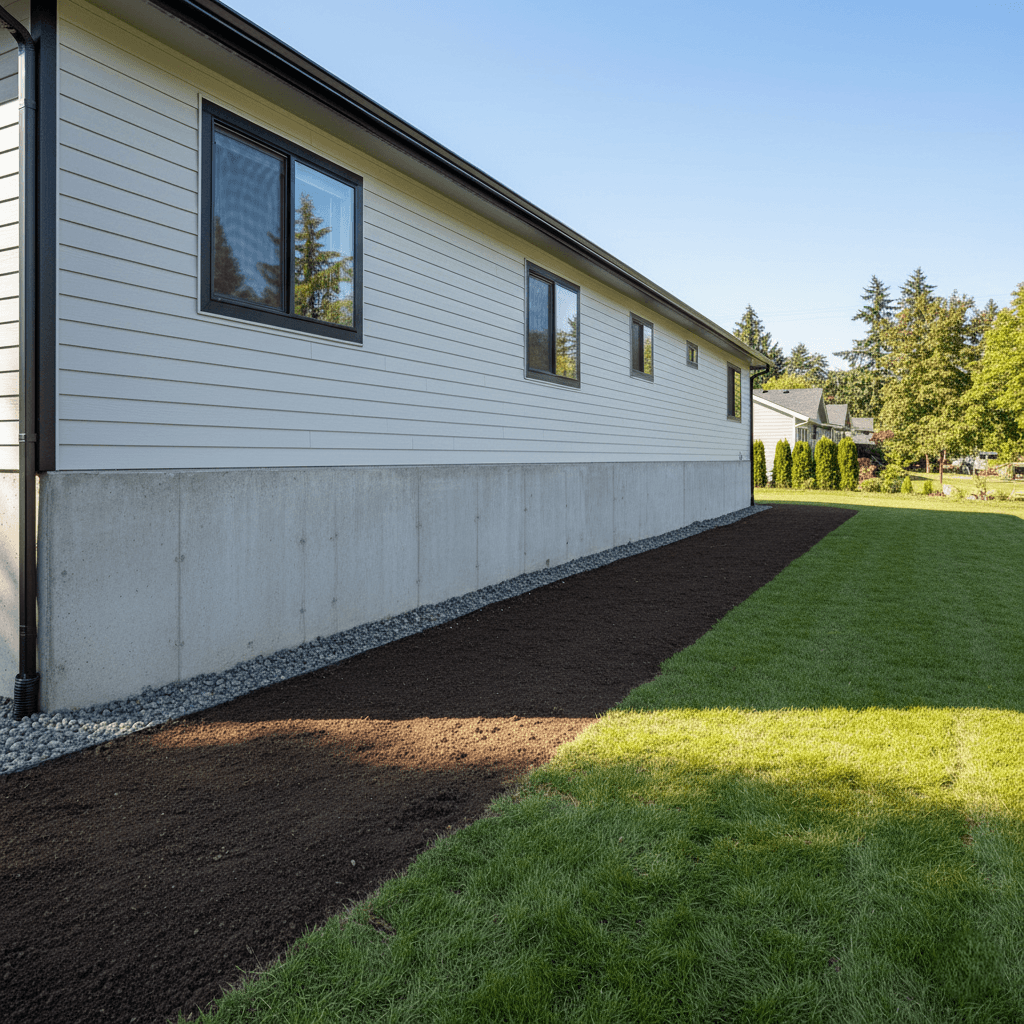
How much does foundation repair cost? Most US homeowners pay between $2,000 and $8,000 in 2026, with a national average hovering around $5,000. But that’s the middle of a very wide road: a simple crack injection can cost as little as $500, while full underpinning with steel piers can run $15,000–$30,000 or more.
Foundation problems are one of those things that never get cheaper with time. A hairline crack you ignore this year can become a bowing wall or sinking corner that costs ten times more to fix next year. The good news: most foundation issues are fixable, and knowing what drives the price helps you avoid overpaying.
This guide covers the real numbers — cost by repair method, per-pier pricing, what your quote should include, and how to keep the bill as low as possible.
Average Foundation Repair Cost in 2026
- National average: ~$5,000
- Typical range: $2,000–$8,000
- Minor repairs (crack sealing, minor leveling): $500–$2,500
- Major structural work (piering, underpinning): $8,000–$30,000+
- Full foundation replacement: $20,000–$100,000+ (rare, worst case)
Where you land in that range depends almost entirely on what’s wrong — and you often won’t know until a structural engineer or foundation specialist takes a look. Many reputable companies offer free inspections, which is the right starting point.
Cost by Repair Method
Foundation repair isn’t one job — it’s a menu of fixes, each with its own price tag:
- Crack repair / epoxy injection ($500–$1,500): For non-structural hairline cracks. A technician injects epoxy or polyurethane foam to seal the crack and keep water out. Quick, minimally invasive, and the cheapest fix on this list.
- Concrete leveling / mudjacking ($1,000–$3,000): For sunken slabs (driveways, patios, garage floors). A slurry is pumped underneath to lift the concrete back into place. Polyurethane foam injection is the modern alternative — lighter, faster curing, slightly pricier.
- Carbon fiber wall reinforcement ($3,500–$9,000): For basement walls bowing inward less than about 2 inches. Carbon fiber straps are epoxied to the wall to stop further movement. Strong, non-invasive, no excavation.
- Steel push piers ($1,500–$2,500 per pier): For sinking foundations. Piers are hydraulically driven down to bedrock or stable soil, then the house is stabilized or lifted. Most homes need 7–10 piers, putting typical projects at $10,000–$25,000. (See Ram Jack’s foundation repair cost guide for a detailed method-by-method breakdown.)
- Helical piers ($2,100–$3,500 per pier): Screw-like piers twisted into the ground — better for lighter structures or soils without shallow bedrock. Total projects often run $8,500–$22,000+.
- Wall anchors / tiebacks ($400–$700 each): For bowing basement walls. Steel plates inside and out, connected through the wall and anchored in stable soil outside. A typical wall needs several anchors.
The method is dictated by the diagnosis, not your budget — a crack injection won’t fix a sinking corner, and piers are overkill for a hairline shrinkage crack. Get the diagnosis right first.
What Drives the Price Up or Down
1. Severity and type of damage
A single vertical hairline crack from normal concrete curing is a $500 afternoon. Differential settlement — one corner of your house sinking while the rest stays put — is a five-figure structural project. The further the damage has progressed, the more it costs. This is why early inspection matters so much.
2. Foundation type
Slab foundations are generally cheaper to repair than pier-and-beam or full basements, simply because there’s less structure to work with. Basement waterproofing combined with structural repair adds cost fast.
3. Soil conditions
Expansive clay soils (common in Texas, Oklahoma, and parts of Colorado) swell when wet and shrink when dry, punishing foundations year after year. Poor soil often means deeper piers, more of them, and higher bills. If you’re buying in clay country, a pre-purchase foundation inspection is money well spent.
4. Accessibility
Tight crawl spaces, finished basements, landscaping, decks, or additions built over the work area all add labor time. Exterior excavation — sometimes needed for waterproofing — is one of the priciest line items because of the digging and restoration involved.
5. Your region
Labor rates and common soil problems vary enormously. Foundation work in Dallas (expansive clay capital) is a whole different market than foundation work in New England (mostly freeze-thaw issues).
6. Permits and engineering reports
Major structural work usually requires permits ($100–$500) and sometimes a structural engineer’s stamped report ($300–$800). Some contractors bundle these; others don’t — ask.
Warning Signs You Need Foundation Repair
Don’t wait for a wall to collapse. Call for an inspection if you notice:
- Cracks in walls, floors, or the foundation itself — especially horizontal cracks or stair-step cracks in brick
- Doors and windows that stick or won’t latch
- Sloping or uneven floors
- Gaps between walls and ceilings or floors
- Water pooling in the basement or crawl space
- Chimneys leaning or separating from the house
One hairline vertical crack in a poured wall is usually just shrinkage. Multiple symptoms together — say, sticking doors plus stair-step brick cracks — point to settlement and deserve a professional look.
Does Homeowners Insurance Cover Foundation Repair?
Usually not — and this surprises a lot of people. Standard homeowners policies cover sudden, accidental damage (like a burst pipe undermining your slab), but they almost always exclude settling, earth movement, and wear and tear, which cause the vast majority of foundation problems. Separate earth movement or sinkhole endorsements exist in some states (Florida is the big one), but they’re the exception.
Bottom line: assume you’re paying out of pocket, and read your policy’s exclusions before you assume otherwise. For broader context on what home-related coverage actually includes, see our property manager cost guide — many landlords deal with exactly these repair-vs-insurance questions.
Ways to Save on Foundation Repair
- Get 3–4 quotes. Foundation pricing is notoriously variable. Bids for the same job can differ by 30–50%. Never accept the first quote.
- Get an independent engineer’s opinion for big jobs. A $500 structural engineer report can save you $10,000 by confirming whether you actually need piers or just crack repair. Be wary of “free inspections” that always seem to find $20,000 worth of work.
- Fix drainage first. Many foundation problems are water problems in disguise. Regrading soil away from the house, extending downspouts, and fixing gutters ($500–$2,000) can stop damage from progressing — and sometimes that’s all you need.
- Ask about financing and warranties. Most foundation companies offer financing, and reputable ones provide transferable lifetime warranties on piering work. A warranty that transfers to the next buyer also protects your resale value.
- Bundle with related work. If you’re already doing exterior work, combining it with foundation repairs saves on mobilization costs. Planning a bigger project? Our new roof cost guide and interior designer cost guide can help you budget the whole renovation at once.
Foundation Repair Cost FAQs
How much does it cost to fix a cracked foundation?
Simple non-structural cracks: $500–$1,500 for epoxy or polyurethane injection. Structural cracks requiring piers or wall anchors: $3,000–$15,000+.
How much do foundation piers cost?
Steel push piers run $1,500–$2,500 per pier installed; helical piers run $2,100–$3,500 per pier. Most homes need 7–10 piers, so total piering projects typically cost $10,000–$25,000.
Can I live in my house during foundation repair?
Usually yes. Most repairs are done from the exterior or in the crawl space/basement, and you’d barely know work is happening beyond the noise. Full foundation replacement is the exception — that may require temporarily moving out.
How long does foundation repair take?
Crack repairs: a few hours. Piering projects: 2–5 days for a typical home. Full replacements: several weeks.
Is foundation repair worth it?
Almost always. Unrepaired foundation damage tanks your home’s value — buyers walk away, lenders balk, and the damage only gets more expensive. A proper repair with a transferable warranty typically restores full market value.
Should I hire a structural engineer or a foundation company first?
For major or unclear problems, an independent structural engineer ($300–$800) gives you an unbiased diagnosis before contractors start selling you solutions. For obvious minor issues like a single hairline crack, going straight to a reputable repair company is fine.
The Bottom Line
Foundation repair costs $2,000–$8,000 for most homeowners, averaging around $5,000 — but the range stretches from a $500 crack injection to $25,000+ for full piering. The cheapest repair is the one you do early: get a free inspection at the first sign of trouble, get multiple quotes, and consider an independent engineer’s opinion before signing off on any five-figure job. Your foundation literally holds up everything you own — it’s worth doing right.