
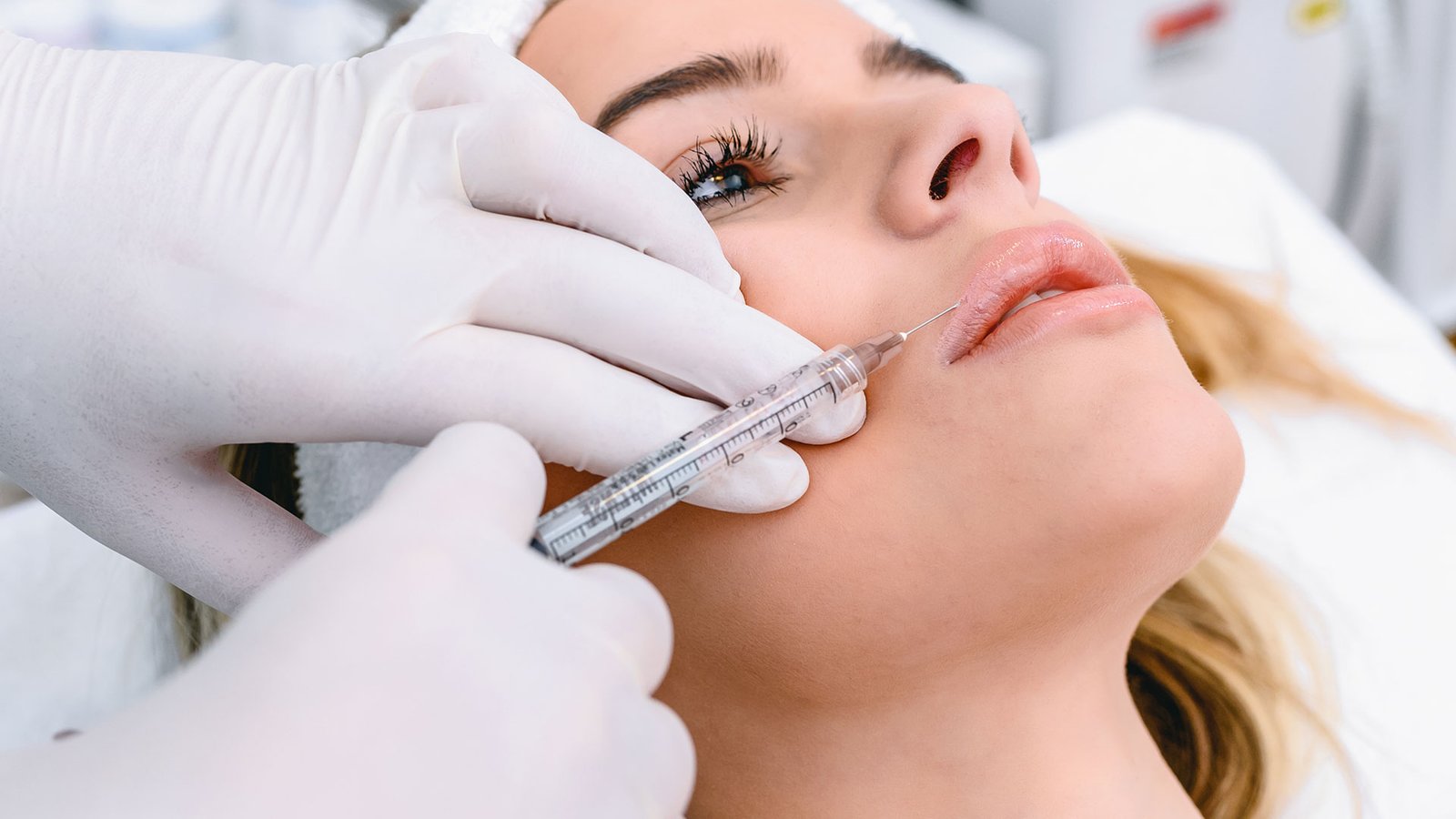
You asked for “just a little more definition, nothing dramatic” — and the consultation ended with a quote for three syringes and a total that made you blink. Were you being upsold, or is that simply what lip filler costs? The short answer: in the US in 2026, one syringe of lip filler typically costs $500 to $1,000, most people need one to two syringes for a noticeable-but-natural result, and a typical visit lands between $500 and $2,000. Whether three syringes was honest advice or a sales target depends on your lips and your goal — and by the end of this guide you will be able to judge that for yourself.
Why Is Filler Priced “Per Syringe” at All?
Because the syringe is the unit the product actually comes in. Hyaluronic acid fillers — the gel injected into lips — are sold to clinics in pre-filled syringes, most commonly 1 mL, some 0.5 mL. The clinic’s cost, and therefore your price, scales with how many syringes get opened for you. This has one consequence every buyer should understand: a syringe is usually opened for a single patient and not shared or saved, so “half a syringe” pricing, where offered, is a clinic choosing to absorb or structure that cost differently — ask what happens to the rest of the syringe if a practice offers partial treatments, because the honest answers are “we use it elsewhere on your face in the same visit” or “it is discarded,” and both are fine, while vagueness is not.
What Does the Average Actually Look Like?
Nationally, the average cost per syringe sits around $800–$960. The American Society of Plastic Surgeons reports an average of about $794 for hyaluronic acid fillers generally, and patient-reported prices tend to run a bit higher in major metros. Geography swings the range hard: budget markets — Oklahoma and parts of the Midwest and South — commonly quote $500–$700 per syringe, while New York, Los Angeles, and Miami injectors at the top of the market pass $1,000. So your three-syringe quote was probably somewhere between $1,500 and $3,000, and whether that is reasonable turns entirely on the next question.
How Many Syringes Do People Really Need?
Fewer than Instagram suggests. One syringe (1 mL) is roughly a fifth of a teaspoon of gel — it produces a subtle, “your lips but better” change on most people, and it is the standard starting point for first-timers and for anyone whose stated goal is definition rather than volume. Two syringes, often spaced across two appointments a few weeks apart, builds a clearly fuller result while letting the injector shape gradually instead of guessing. Three or more syringes in a single first visit is where skepticism is healthy: lips can only take so much product at once before the filler migrates above the lip line and creates the puffy “shelf” nobody asked for. A careful injector stages volume. If your consultation jumped straight to three, asking “what would one syringe do, and can we build from there?” is exactly the right pushback — and a good injector will respect it rather than argue.
Does the Brand in the Syringe Change the Price?
Yes, within a band. The main lip fillers and their typical per-syringe prices: Juvéderm Ultra / Ultra Plus at roughly $600–$875; Restylane Kysse — a lip-specific product — around $600–$700; Restylane Silk around $550–$700; Belotero Balance anywhere from $500–$900 depending on the practice; and the RHA Collection around $650–$900. The differences are not pure branding: formulas vary in softness, structure, and how long they hold up in a high-movement area like the lips, which is why an experienced injector picks a product for your goal rather than from a price list. The FDA’s page on approved dermal fillers lists which products are cleared for lips specifically — worth a two-minute check, because using a filler off-label in lips is common in some practices and is a fair thing to ask about directly.
Who Injects You Matters More Than Where
The single biggest price variable inside one city is the person holding the syringe. A board-certified dermatologist or plastic surgeon typically charges $200–$400 more per syringe than a nurse injector at a medspa. That gap buys anatomy knowledge and — the part nobody prices until they need it — the ability to manage the rare but serious complication of filler entering a blood vessel, which requires immediate treatment with a dissolving enzyme the practice must stock. Cheaper is not automatically worse: many nurse injectors are superb, high-volume specialists. But the questions that protect you are the same at every price: Who exactly injects me, what are their credentials, how many lip treatments do they do in a week, and do you keep hyaluronidase (the dissolver) in the building? The American Society of Plastic Surgeons maintains background on qualified injectors and the procedures themselves if you want to read before you book.
How Long Does It Last — and What Does That Make the Real Price?
Lip filler is temporary. In the lips — a high-movement, high-blood-flow area — most hyaluronic acid fillers last around 6 to 12 months before the body gradually breaks them down, with first-timers sometimes noticing faster fading as their body meets the product for the first time. That turns the honest math into an annual figure: one syringe a year at $800 is $800 a year, every year you want to keep the result. Two syringes twice a year at premium-city prices can pass $3,000 annually. Neither figure should scare anyone off; both should be chosen with open eyes rather than discovered. It is also why the staged approach from the syringes question pays twice — you might find one syringe is genuinely your look, halving your maintenance cost forever.
What About the Lip Flip — Is It the Cheaper Shortcut?
Often, yes, and it is a different tool rather than a discount filler. A lip flip uses a few units of a wrinkle-relaxing injection (such as Botox) along the upper lip edge to relax the muscle so the lip rolls slightly outward — more visible lip, no added volume. It typically costs far less than a syringe of filler — commonly in the $80–$200 range — and lasts a shorter time, roughly two to three months. It suits people whose upper lip disappears when they smile. It will not add structure, fix asymmetry, or define a cupid’s bow the way filler can. Plenty of people combine a small flip with one syringe. And notice how this connects to the wider pattern in cosmetic pricing: the quoted procedure is rarely the whole menu, a pattern our guide to the all-in cost of a boob job shows at surgical scale.
What Is Included in the Price — and What Gets Added Later?
Before you compare two quotes, line up what each one covers, because medspa pricing hides variation here. Consultation: some practices fold it into treatment if you proceed the same day; others charge $50–$150 separately, sometimes credited toward your procedure. Numbing: topical anesthetic is normally included; a dental-style nerve block occasionally carries a small fee. The two-week check: a good practice includes a follow-up look once swelling settles — ask, because that visit is where small asymmetries get spotted. Touch-up product: if a top-up is needed at that check, is the extra filler free, discounted, or full price? Policies range from all three, and on a multi-syringe plan the difference is hundreds of dollars. None of these line items is sinister. All of them belong in the open before the needle, not on the receipt after it — a two-minute conversation that separates a transparent practice from a slippery one more reliably than any review site.
Small Questions, Straight Answers
Does insurance ever cover lip filler?
No — it is a cosmetic treatment, and no part of it is medically necessary in the insurer’s eyes. The exceptions people imagine (after injury or surgery) fall under reconstructive care, which is a different clinical pathway, not a medspa visit.
Can I make filler cheaper safely?
Yes: start with one syringe, use manufacturer and clinic specials on the product rather than discounts on the injector’s time, and maintain on schedule instead of letting it fully fade and rebuilding. Never buy filler from the internet to bring in — counterfeit product is a documented problem, and no reputable injector will use it.
What if I hate the result?
Hyaluronic acid fillers can be dissolved with hyaluronidase, usually for a fee, and often at no charge by the injector who placed them if you return promptly. This reversibility is a genuine safety feature of HA fillers — ask about the practice’s policy before treatment, not after.
So — was three syringes an upsell?
If you asked for subtle and have average-sized lips, almost certainly more than you needed for visit one. Book the one syringe, live with it for two weeks while the swelling fully settles, and let your own mirror cast the deciding vote on syringe two.




2 Comments