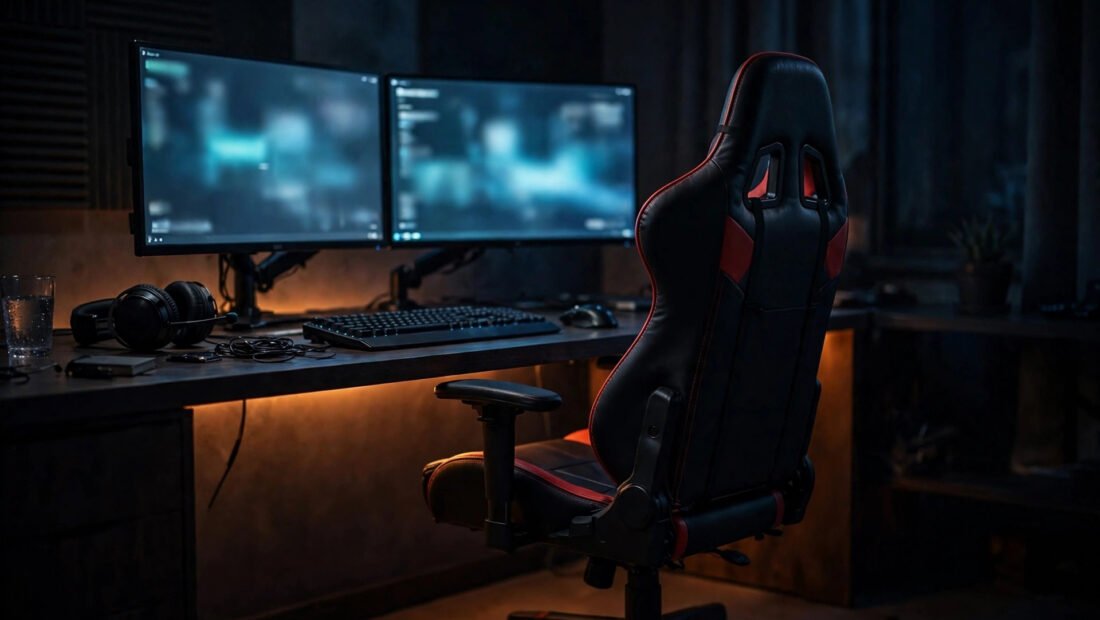
A gaming chair looks the way it does because it copied a race car. In a race car, that deep bucket shape has a hard job: hold the driver still while the car throws them sideways through corners. Your desk has no corners. Nothing throws you sideways while you answer email or queue for a match. So the fair question is not whether the shape looks fast. It is whether a shape borrowed for cornering does anything useful for sitting still, and whether the money buys comfort or mostly buys the look.
The honest answer sits in the middle. A gaming chair is not a scam, and it is not a medical device either. It is a style purchase with real features and real compromises, priced from about $150 to $500 and up, which puts it head-to-head with decent office chairs, not with bargain task chairs. Weighing it fairly means giving both sides their full weight before reaching a verdict.
The case for a gaming chair
The recline is genuinely generous. Most gaming chairs lean back far, much farther than a typical office chair allows. If you play with a controller, watch streams in the same seat, or like to tip back between matches, that deep recline is not a gimmick. It is the feature owners use most and praise most, and office chairs rarely match it at the same price.
The support pillows come in the box. A lumbar pillow and a neck pillow are usually included, not sold as extras. For a smaller or average frame, that lumbar pillow can fill the curve of the lower back well enough to make a long session feel easier. The neck pillow gives your head somewhere to rest when you lean into that recline. Built-in support on office chairs is often better shaped, but at this price it sometimes is not included at all, so the pillows count as a real plus for a buyer who will not shop for add-ons later.
Tall backs suit tall users. Gaming chairs run tall. A tall person whose head and shoulders rise above a standard office chair back can finally lean against something that reaches. For that buyer, the height is not styling. It is the difference between a backrest that supports the upper back and one that ends below the shoulder blades.
Better models adjust more than you expect. Armrests on better gaming chairs move up and down, side to side, and sometimes forward and back, so your elbows can sit where your shoulders stay relaxed. Height adjusts, tilt locks, and the whole package feels complete out of the box. None of that is unique to gaming chairs, but a good model bundles it neatly.
The look is a real reason, and it is fine to admit it. Streamers sit on camera for hours, and audiences genuinely enjoy a setup that looks the part. A room that doubles as a backdrop is not a vanity project for someone whose income depends on that backdrop. Even away from streaming, liking the chair you see every day has value. People take better care of setups they are proud of, and they sit down happier. Style is not a fake benefit just because it is not a medical one.
The case against a gaming chair
The bucket shape locks you into one posture. Those raised side bolsters on the seat and backrest are the racing inheritance, and at a desk they mostly get in the way. They stop you shifting, crossing a leg, or sitting a little sideways for a change of position. Good sitting over a long day involves small movements and posture changes. A chair that hugs you into a single fixed pose works against that, and broader users feel it worst, with the bolsters pressing into thighs and shoulders and pushing the body forward into a hunch.
The seat itself is often the weakest part. Many gaming chairs use a flat seat pan with cheap foam. It feels firm and sporty for the first month. Then the foam packs down, and within a year or two you can start to feel the base through it. A flat pan also does little to spread your weight, so pressure builds in the same spots session after session. Foam density is unglamorous and almost never leads the marketing, yet it decides whether year two feels anything like month one.
Faux leather fails on a schedule. The single most common long-term complaint about gaming chairs is the covering peeling and flaking after about 18 months. Heat, sweat, and friction crack the surface, and once it starts, it spreads. In a hot room the material also sits clammy against your back and legs. Fabric versions age far more gracefully, but fabric is rarely the one in the bold product photos.
At equal money, an office chair usually wins where it counts. This is the comparison that settles most purchases. A $300 gaming chair competes with a $300 office chair, not with a $99 task chair. Spend $300 on the office side and you typically get better answers on the features that protect you over long hours: seat depth you can adjust for your leg length, real lumbar support built into the back rather than strapped on, denser foam, and a metal base built for years of rolling. Consumer Reports’ office and gaming chair testing and buying advice is worth reading before you buy either kind, because side-by-side testing tends to reward exactly those boring features. For pure desk work, boring wins.
The price floor fools people. Under $150, both kinds of chair cut the same corners: thin foam, a weaker gas cylinder, and a plastic base that flexes and creaks. A cheap gaming chair is not a clever way around that math. It just wears the racing costume while cutting the same parts. If the budget is truly tight, a modest office chair plus a cushion you can replace will usually outlast a budget bucket seat.
What matters more than the chair itself
Here is the part no chair ad will tell you. Your setup and your habits do more for your back than the badge on the headrest. Feet flat on the floor. Knees near 90 degrees. The top of the screen around eye level so your neck stays neutral. Those three things, plus the habit of standing up and moving every 45 to 60 minutes, outweigh most differences between chairs. No chair, at any price, makes eight motionless hours healthy. Sitting still is the problem, and a better seat only softens it.
That is why a $30 lumbar roll deserves a mention in a chair debate. Slipped behind the lower back on an ordinary chair, it can fix the ache that sent you shopping in the first place. Before you spend $300, spend a week on position and breaks, and read up on how to improve your posture while working from home, because half the people who buy a new chair are really buying relief that a screen lift and a timer would have given them for almost nothing. If pain remains after the free fixes, then shop, and shop with a clearer idea of what actually hurts.
Who genuinely benefits, and who should pass
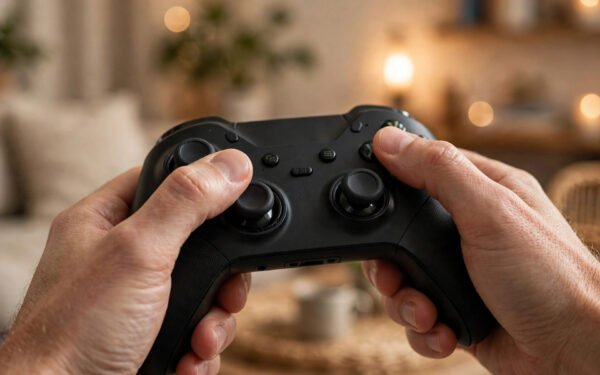
Three buyers get real value from a gaming chair. Tall users, for the back height almost nothing else in the price range offers. Console players who recline with a controller, for the deep lean-back that suits a living-room style of play far better than an upright work posture. And streamers on camera, for whom the look is part of the product they sell. If you are in one of those groups and you pick a solid model, you are not being fooled. You are buying features you will actually use.
Everyone else should pause. If you work at the desk all day and game at night in the same seat, you are asking one chair to cover ten or twelve hours, and that argues for the best long-hour support your budget allows, which at equal money usually means the office chair. If you already have back trouble, a chair chosen from photos is the wrong tool entirely; fit and adjustment matter more than category. And if your room runs hot, think hard before choosing faux leather anything.
If you buy one anyway, buy it this way
Budget $250 to $400. Below that range the parts that fail first get too thin to trust, and above it you are mostly paying for branding and bolder colors. Choose fabric over faux leather unless the chair will live on camera and looks outrank lifespan for you. Demand a metal base, not nylon, and look for dense foam you cannot easily pinch flat in the store. Check the height and weight range against your own body honestly, because a chair built for a smaller frame will punish a larger one no matter how good the reviews are. Adjustable armrests are worth having, and a return policy is worth more than any single feature, since ten minutes in a showroom tells you less than a full week of evenings.
Verdict
Not pure hype, and not a smart default either. A gaming chair is a style purchase with ergonomic compromises: a generous recline, included pillows, and tall support on one side of the scale; a posture-locking bucket shape, fast-tiring foam, and peeling covers on the other. For tall users, recliners, and streamers, the trade can be worth it at $250 to $400 in fabric with a metal base. For desk work, which is where most backs actually suffer, the office chair at the same price usually wins, quietly, on seat depth, lumbar support, foam, and base. Buy the gaming chair for the look and the recline with your eyes open, or buy the office chair for the long hours. Just do not buy either one expecting it to excuse never standing up.