Be honest: when was the last time you saw your dog’s waist? Not the fluffy outline — the actual tuck-up behind the ribs. Over half of American dogs and cats are overweight or obese, and most owners don’t realize it. Weight gain is gradual and our eyes adjust. An overweight pet isn’t just a cosmetic issue — it’s the single most controllable factor in how long your pet lives and how good those years feel. Here’s how to assess your pet honestly, what the extra pounds are actually doing, and the weight-loss plan that works.
The 30-Second Assessment: Ribs, Waist, Tuck
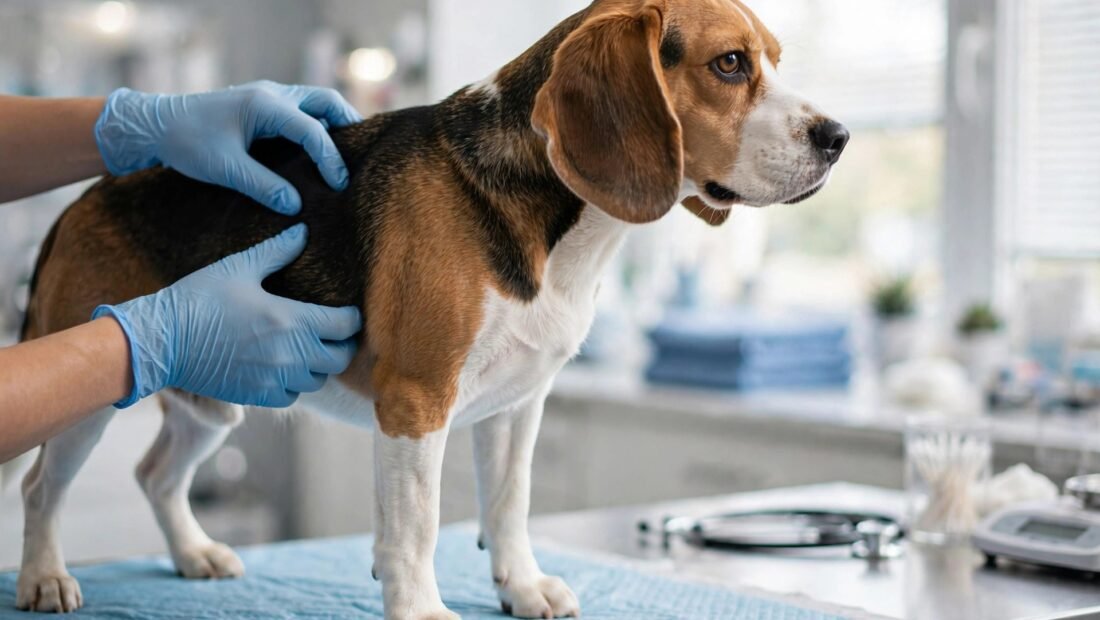
Veterinarians use a 9-point Body Condition Score (BCS); you can approximate it at home in under a minute:
- The rib test: run your hands along your pet’s ribcage with light pressure. You should feel ribs easily under a thin fat layer, like the back of your hand. If you have to press firmly to find them, that’s excess weight. If you can’t find them at all, that’s obesity.
- The waist test: look down at your pet from above. Behind the ribs, you should see a visible waist — an inward curve. A straight line or outward bulge means overweight.
- The tuck test (dogs): from the side, the belly should tuck upward behind the ribcage. A sagging, straight, or bulging underline means excess fat.
Cats are trickier — long fur hides a multitude of sins. Assess by feel: ribs palpable but not visible is ideal. The primordial pouch (the loose belly flap) is normal anatomy, not fat — don’t confuse the two, but don’t use it as an excuse either.
Ideal is BCS 4–5 out of 9. Most owners score their pets 1–2 points leaner than reality — when in doubt, ask your vet for an honest number at the next visit. That number is your baseline.
Why It Matters: What Extra Weight Actually Does
This isn’t about aesthetics. The research is unambiguous:
- Lifespan: the landmark Purina lifespan study found dogs kept lean lived a median of 1.8 years longer than their overweight siblings — nearly two extra years from weight alone (see Purina’s published research on canine longevity).
- Arthritis: every extra pound multiplies joint stress. Overweight dogs develop arthritis earlier and more severely; in Texas heat, arthritic overweight dogs exercise less, gain more, and spiral.
- Diabetes: obesity is the top modifiable risk factor for diabetes in cats especially — and diabetic management is expensive and lifelong.
- Breathing and heat tolerance: fat insulates and restricts. Overweight pets — especially brachycephalic breeds common in Texas — overheat faster and handle the state’s long summers worse.
- Surgery and anesthesia risk: everything from cruciate repair to dental cleanings carries higher risk and cost in obese pets.
- Cancer: emerging evidence links obesity to increased cancer risk in dogs, mirroring human data.
An overweight pet is a pet aging faster than the calendar says. The good news: it’s reversible, and pets don’t have body-image issues — they just need you to change the inputs.
Why Pets Get Fat: The Honest Audit
Weight gain is always calories in exceeding calories out. The usual Texas culprits:
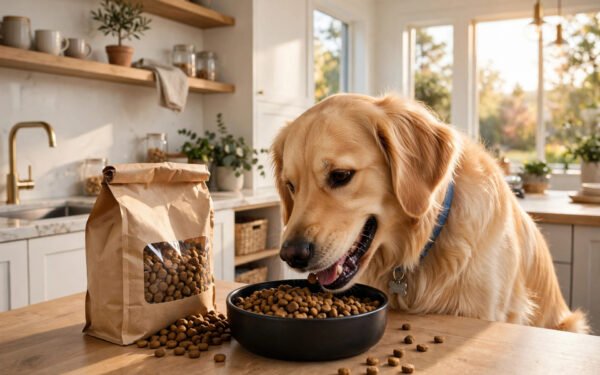
- Overfeeding: bag guidelines are starting points for active intact dogs, not your neutered couch companion — most owners feed 20–30% too much. Measure with a real measuring cup, not a scoop-and-guess.
- Treat creep: training treats, table scraps, the kids’ snacks, the grandparents’ spoiling. Treats should be ≤10% of daily calories — and a large Milk-Bone is 115 calories, a quarter of a small dog’s daily needs.
- Neutering without adjusting: neutered pets need roughly 20–30% fewer calories, but almost nobody reduces portions after the surgery. The post-neuter weight gain is practically a scheduled event.
- Texas indoor living: long hot summers mean less outdoor exercise for months. Activity drops, portions don’t, and the math compounds.
- Medical contributors: hypothyroidism (dogs), Cushing’s disease, and certain medications cause or worsen weight gain. If the diet is genuinely controlled and weight still climbs, get thyroid and metabolic bloodwork.
The Weight-Loss Plan That Actually Works
Step 1: Get a target weight and calorie number from your vet
Don’t guess. Your vet calculates ideal weight from body condition and frame, then prescribes daily calories — typically 70–80% of maintenance for the target weight.
Step 2: Measure everything
Every meal weighed or measured. Every treat counted within the daily budget. Every family member on the same page — the plan fails at the weakest link, usually a well-meaning spouse or grandparent. A kitchen scale ($12) is the most effective weight-loss tool ever made.
Step 3: Feed for the goal
Options: reduce the current food to the prescribed calories (works for mild cases), switch to a veterinary weight-management formula (higher protein and fiber keep pets full on fewer calories), or a vet-supervised homemade plan. Increase meal frequency to manage hunger. Slow-feeder bowls and puzzle feeders make small meals last — PetMD’s pet weight management guides detail how these tools fit a structured plan.
Step 4: Move more — safely
Exercise for weight loss in pets is supporting, not primary — you can’t out-walk a bad diet, in dogs any more than humans. But movement preserves muscle during loss and improves insulin sensitivity. Build gradually: leash walks increasing 5 minutes weekly, swimming (superb for arthritic overweight dogs — many Texas vet rehabs offer it), indoor play for cats (wand toys, 10-minute sessions twice daily). In Texas summer, exercise early morning or late evening only, and watch for overheating — overweight pets hit the wall fast.
Step 5: Weigh monthly, adjust quarterly
Target 1–2% of body weight loss per week for dogs, 0.5–2% for cats (cats must lose slowly — rapid loss risks hepatic lipidosis, a life-threatening liver condition). Monthly weigh-ins at the vet or on a home scale; if loss stalls for a month, calories drop another 10%. Plateaus are normal; abandonment is the failure mode.
Budgeting the Fix
Weight management has costs — vet weigh-ins, possibly prescription food, treats replaced with lower-calorie options — but they’re dwarfed by the cost of obesity’s consequences: diabetes management, cruciate surgery on overloaded joints, arthritis medications for life. Build pet health into a family budget that plans for pet care rather than reacting to each crisis. And the food math itself rewards planning: grocery budgeting that actually saves money leaves room for quality pet food without the premium-brand markup — the bag matters less than the measured portion.
Special Cases
- Multi-pet homes: the fat cat eats the thin cat’s food. Feed separately — different rooms, doors closed — or use microchip-activated feeders. Non-negotiable for accurate portions.
- Seniors: older pets lose muscle, not just fat — prioritize protein and vet-supervised plans. What looks like “a little extra padding” on a senior is often muscle loss masked by fat.
- Post-diet maintenance: the lost weight returns within a year for most pets whose owners revert to old portions. Maintenance calories are only slightly above weight-loss calories — the measuring cup stays forever.
Conclusion
Run the rib test tonight. If you can’t feel ribs easily, your pet is carrying weight that’s shortening their life — by nearly two years, per the research — and worsening every joint, organ, and Texas summer they’ll face. The fix isn’t dramatic: a vet-set calorie target, measured meals, counted treats, gradual exercise, monthly weigh-ins. No gimmicks, no guilt — just arithmetic, sustained for months. Your pet will never thank you for the smaller portions. They’ll thank you with the extra years.
Frequently Asked Questions
How do I know if my pet is overweight?
Feel the ribs (should be easy to feel under a thin fat layer), look for a visible waist from above, and check for an abdominal tuck from the side in dogs. Your vet’s Body Condition Score (ideal 4–5 out of 9) is the definitive assessment.
How much should I feed my overweight dog?
Get a calorie target from your vet based on ideal (not current) weight — typically 70–80% of maintenance calories for the target weight. Measure every meal with a scale or measuring cup, and count treats within the daily budget.
Is it bad for cats to lose weight fast?
Yes — cats must lose weight slowly (0.5–2% of body weight per week). Rapid weight loss in cats can trigger hepatic lipidosis (fatty liver disease), which is life-threatening. Always use a vet-supervised plan for cats.
Why is my pet gaining weight even though I feed the recommended amount?
Bag guidelines overestimate for most neutered, indoor pets — cut 20–30% as a starting point. Also audit treats and table scraps (often the real culprit), and ask your vet about hypothyroidism or Cushing’s if the diet is genuinely controlled.
How long does it take for a dog to lose weight?
At a healthy 1–2% of body weight per week, a dog needing to lose 10 pounds takes roughly 3–6 months. It’s a months-long project, not a weeks-long one — consistency beats intensity.