“Not your keys, not your coins” — crypto’s oldest mantra — points at a real decision every beginner faces: where should your Bitcoin actually live? Leave it on the exchange and you trust a company; move it to your own wallet and you become your own bank, with all the freedom and responsibility that implies. For beginners in Houston in 2026, the safest wallet isn’t necessarily the most hardcore option — it’s the one matching your holdings, your technical comfort, and the amount of responsibility you’re ready to carry. This guide walks through the wallet types honestly and recommends a sane progression.
The Wallet Landscape: Four Types, Ranked by Control
1. Exchange custody (not really a wallet)
Leaving crypto on Coinbase or Kraken is the default — and for small amounts while learning, it’s fine. The exchange holds the keys; you hold a login. Risks: exchange hacks, freezes, bankruptcies (2022 taught this lesson brutally), and account lockouts. Mitigations: use only reputable US-regulated exchanges, enable every security feature, and treat it as temporary parking, not permanent storage. Appropriate for: your first $100–$500 while you learn.
2. Software wallets (hot wallets)
Free apps (phone or desktop) where you hold the keys via a 12–24 word recovery phrase. Examples: BlueWallet or Muun for Bitcoin; MetaMask, Rabby, or Phantom for multi-coin use; Exodus or Trust Wallet for beginners wanting simplicity. They’re “hot” because they’re internet-connected — convenient for regular use, exposed to malware and phishing. The security model: your phone’s security plus your discipline. Appropriate for: active holdings up to a few thousand dollars, once you’ve learned recovery-phrase discipline.
3. Hardware wallets (cold storage)
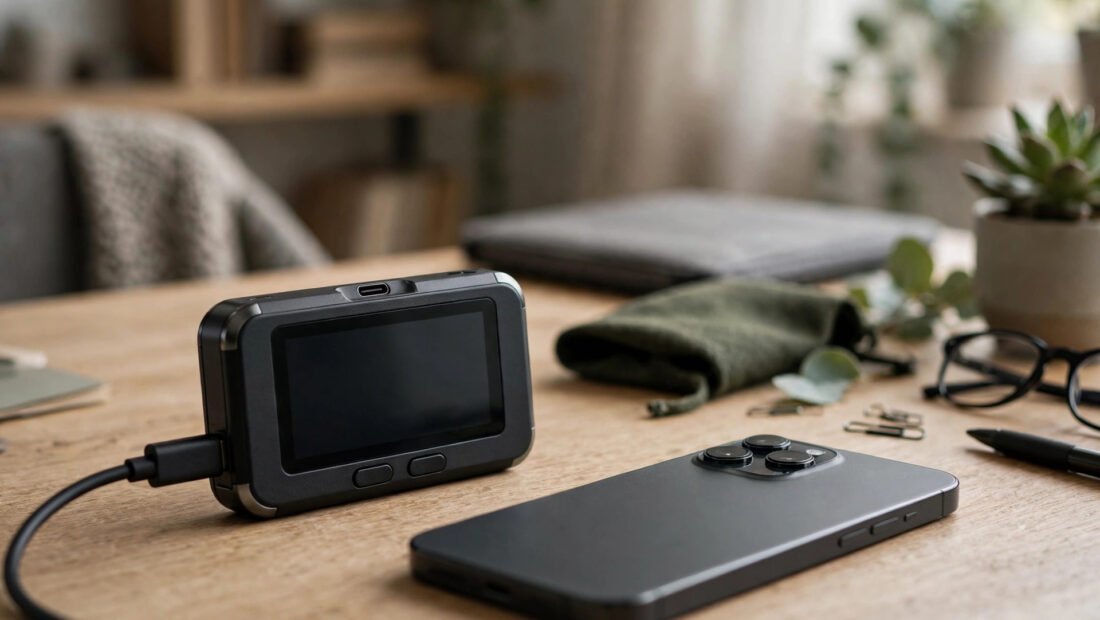
Physical devices ($50–$200 from Ledger, Trezor, Coldcard, BitBox) that keep keys offline, signing transactions without exposing the secret. This is the gold standard for significant holdings — immune to remote malware by design. The trade-offs: cost, slight inconvenience, and the absolute finality of losing both device and recovery phrase. Appropriate for: holdings you’d be upset to lose — generally anything over $1,000–$2,000, or anything you’re holding long-term.
4. Paper/steel backups (not spending wallets)
Your recovery phrase stamped into steel (fireproof, waterproof) stored securely — this isn’t a wallet you spend from, it’s the ultimate backup for any self-custody setup. Every hardware and software wallet should have one. A $30 steel backup plate protects against the house fire that paper can’t survive.
The Beginner Progression (Houston Edition)
Don’t buy a hardware wallet on day one — earn your way up:
Stage 1 — Learning ($0–$500): reputable US exchange with authenticator-app two-factor authentication enabled. Focus on learning buying, selling, and security basics. Understand the risks of public Wi-Fi for financial activity — Houston’s coffee shops are convenient attack venues — and consider whether a VPN suits your browsing habits if you manage crypto from varied networks.
Stage 2 — Growing ($500–$2,000): move to a reputable software wallet. Write the recovery phrase on paper (never photograph it, never type it into any website), store copies in two separate secure locations, and do a small test transaction first. This stage teaches self-custody with survivable stakes.
Stage 3 — Serious ($2,000+ or long-term holdings): hardware wallet plus steel backup. Buy only from the manufacturer — never from Amazon or eBay, where tampered devices circulate. Verify the device’s authenticity on first setup per the manufacturer’s process.
The Rules That Prevent 99% of Losses
Memorize these — they matter more than which wallet you pick:
- Never share your recovery phrase. No support agent, no website, no app will ever legitimately ask for it. Anyone who does is a scammer. Full stop.
- Never photograph or cloud-store your phrase. Photos sync to clouds; clouds get breached. Paper and steel only.
- Verify addresses character-by-character. Malware exists that swaps crypto addresses in your clipboard. Check first and last characters minimum before sending.
- Test with small amounts first. Every new wallet, every new address — send a tiny test transaction before the real one.
- Beware the “support” DM. Every unsolicited message offering wallet help is a scam. Legitimate companies don’t DM first.
The SEC’s enforcement releases and Investor.gov’s crypto fraud alerts catalog the wallet-targeting scams circulating now — phishing sites mimicking wallet software are the current favorite.
Multisig and Inheritance (Leveling Up Later)
Once holdings become truly significant, consider multisig wallets (requiring 2-of-3 keys to spend — no single point of failure) and an inheritance plan (documented instructions so your family can access funds if something happens to you — without exposing keys while you’re alive). Unsexy, essential, and the mark of someone treating crypto as real wealth rather than a lottery ticket. Houston estate attorneys increasingly handle digital-asset provisions; ask yours.
Traveling With Crypto (Houston Realities)
Houston beginners often ask about accessing crypto while traveling. The rules: never carry your recovery phrase when you travel (leave backups secured at home), use your phone’s software wallet for small travel amounts rather than the full stash, avoid accessing wallets on hotel or airport Wi-Fi without a VPN, and be aware that border crossings in some countries include device searches — know the legal landscape before you fly. For most trips, the right amount of travel crypto is “enough for convenience, little enough that loss wouldn’t ruin the trip.” Your hardware wallet stays home, secured, waiting for your return.
Conclusion
The safest crypto wallet for Houston beginners in 2026 is a progression, not a product: start on a reputable exchange with strong 2FA while learning, graduate to a software wallet as holdings grow, move to hardware plus steel backup for serious amounts, and follow the five rules religiously throughout. The wallet matters less than the discipline — most losses come from phishing, fake support, and photographed seed phrases, not from picking the “wrong” reputable wallet. Build the habits with small amounts, and they’ll protect you when the amounts stop being small.
Frequently Asked Questions
What is the safest crypto wallet overall?
A hardware wallet from a reputable manufacturer (Ledger, Trezor, Coldcard), bought directly from the maker, paired with a steel recovery-phrase backup. It keeps keys offline and immune to remote attacks.
Are software wallets safe for beginners?
Reputable ones are reasonably safe for moderate amounts, provided you follow recovery-phrase discipline and keep your device malware-free. They’re the right step between exchange custody and hardware.
What happens if I lose my hardware wallet?
Nothing, if you have the recovery phrase — buy a new device and restore. If you lose both the device and the phrase, the funds are permanently unrecoverable. The phrase is the wallet; the device is just a convenient interface.
Should I keep crypto on the exchange long-term?
Small learning amounts are fine there. For holdings you’d miss, self-custody is safer — exchanges can be hacked, frozen, or bankrupted, and history has examples of each.
What is a multisig wallet and do I need one?
Multisig requires multiple keys to authorize spending (for example, 2-of-3), eliminating single points of failure. Beginners do not need it — consider it once holdings grow significant enough that no single mistake should be able to lose them.
How do I avoid fake wallet apps?
Download only from official websites (type the URL yourself), verify publisher details in app stores, and never trust wallet links from ads, DMs, or search results — phishing sites buy ads too.