
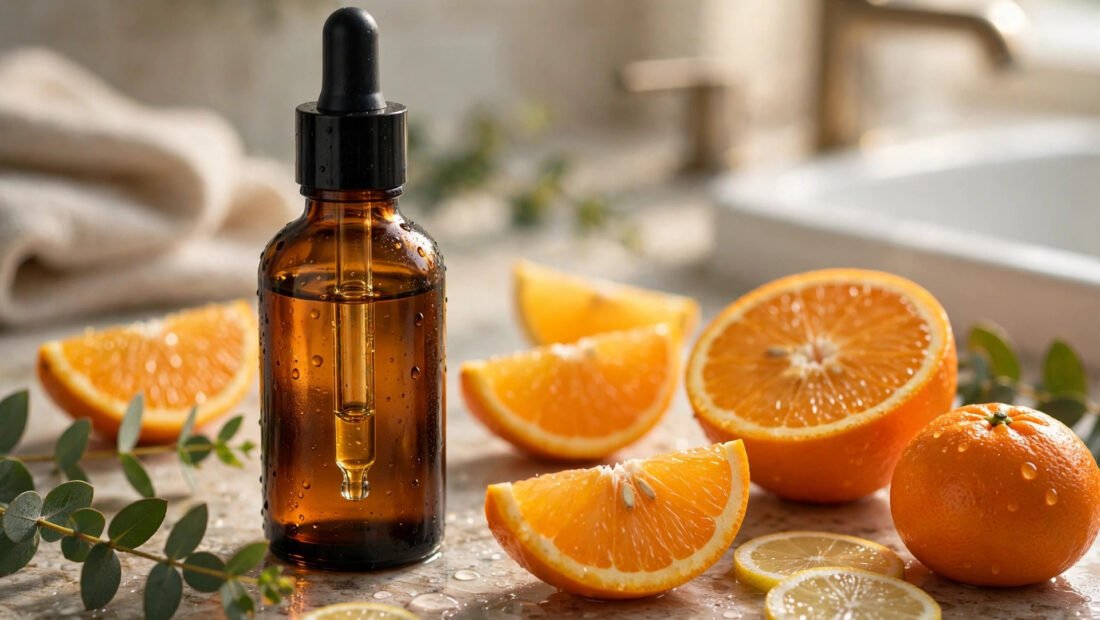
Walk down any skincare aisle in 2026 and vitamin C serums are everywhere — $12 drugstore bottles promising “glass skin,” $80 luxury vials in amber glass, TikTok routines with seven steps built around the stuff. The hype is loud enough to make anyone skeptical. So let’s ask the question properly: is vitamin C serum actually worth adding to your routine, or is it the most overrated step in modern skincare? The dermatologist-backed answer: it’s one of the few actives with genuinely strong evidence — if you buy the right formulation and use it correctly. Most people who say “vitamin C didn’t work for me” were using a degraded product wrong.
What Vitamin C Actually Does for Skin
L-ascorbic acid (the active form) is one of the most studied topical antioxidants in dermatology. The evidence-backed benefits: it fights photoaging by neutralizing free radicals from UV exposure — it doesn’t replace sunscreen, but it backs it up; it brightens by inhibiting melanin production, fading dark spots and post-acne marks over 8–12 weeks; and it supports collagen synthesis, which helps with fine lines and firmness over months of consistent use. That’s a real triple-threat résumé. Few ingredients have this breadth of evidence at this price point — which is exactly why dermatologists keep recommending it while trendier actives come and go. Once your skin looks brighter, you may enjoy learning which colors look best on warm skin tones to complement your glow.
The Formulation Problem (Why Yours Might Not Work)
Here’s the catch the ads skip: L-ascorbic acid is notoriously unstable. It oxidizes on contact with light, air, and heat — turning from clear to yellow to brown. That dark-orange serum in your cabinet? It’s degraded, potentially irritating, and doing nothing for your skin. This is the unglamorous truth behind most “it didn’t work” stories.
What to buy instead: 10–20% L-ascorbic acid (below 10% is weak; above 20% adds irritation without proven extra benefit), in opaque, air-restrictive packaging (pump bottles beat droppers), ideally with vitamin E and ferulic acid — the famous CE Ferulic combination, which research shows doubles photoprotection versus vitamin C alone. If your skin is sensitive, consider stabilized derivatives (ascorbyl glucoside, sodium ascorbyl phosphate, THD ascorbate) — slightly less potent in studies, far less irritating in practice. Store it cool and dark; a serum that arrives clear and stays pale yellow is alive, one that’s orange is done. The FDA’s cosmetics resources explain how these products are regulated (lightly — which is why formulation quality varies so wildly).
How to Use It Without Wrecking Your Skin
Order matters: morning, after cleansing, before moisturizer and sunscreen — vitamin C’s antioxidant protection is most valuable during daytime UV exposure. Apply to dry skin (water increases penetration and irritation), use 3–4 drops for the whole face, and wait a minute before layering. Start every other morning for two weeks; mild tingling is normal, burning is not.
Combinations to handle carefully: don’t layer strong vitamin C with strong exfoliating acids (AHA/BHA) or benzoyl peroxide in the same routine — that’s an irritation cocktail. Niacinamide is fine (the old “they cancel out” claim was debunked years ago). And retinol belongs at night while vitamin C works days — they make an excellent team when separated. Sunscreen is non-negotiable on top: vitamin C boosts your UV defense but the American Academy of Dermatology’s sunscreen guidance is clear that SPF remains the primary protection. If you need a sunscreen that plays well under makeup and over serums, our guide to the best sunscreen for sensitive skin covers non-irritating options that layer cleanly.
Who Should Skip It (or Wait)
Vitamin C isn’t for everyone right now. If your skin barrier is currently damaged — raw, stinging, reacting to everything — fix the barrier first with a simple moisturizer routine for two weeks. If you have very reactive rosacea, patch-test carefully or choose a gentle derivative. And if you’re pregnant and cautious about actives, most dermatologists consider topical vitamin C low-risk, but it’s still worth a quick check with your own doctor rather than the internet.
What to Actually Buy in 2026
You don’t need the $80 luxury vial to get results. The formula checklist matters more than the brand: 10–20% L-ascorbic acid (or a proven derivative for sensitive skin), vitamin E + ferulic acid if possible, opaque pump packaging, and a manufacture date you can verify. Several drugstore options in the $15–$30 range tick every box and have devoted dermatologist followings — they’ve been independently tested for stability and concentration, which is more than many prestige brands can claim. When comparing, ignore front-of-bottle claims (“20x brighter in 7 days!”) and read the ingredient panel: L-ascorbic acid should appear near the top, the bottle should be opaque, and the liquid inside should be clear to pale straw. One practical tip: buy smaller bottles. A 1oz bottle you finish in two months beats a 2oz bottle that oxidizes halfway through — freshness is a feature.
Also manage your expectations by skin concern. Vitamin C excels at overall brightness, sun-damage repair support, and fading post-acne marks. It’s mediocre at deep wrinkles (that’s retinol’s job) and won’t shrink pores or treat active cystic acne. Pairing it correctly — vitamin C mornings, retinol nights, sunscreen always — covers more ground than any single “miracle” product, which is the real secret of people with great skin: boring consistency across a few proven actives.
The Verdict: Worth It?
Yes — with conditions. A well-formulated 10–20% L-ascorbic acid serum (or gentle derivative for sensitive skin), stored properly, applied in the morning under sunscreen, is one of the highest-value steps you can add to a routine. Expect visible brightening in 6–12 weeks and gradual texture improvement over months — not overnight miracles. It won’t replace sunscreen, retinol, or a good moisturizer, but it meaningfully upgrades all of them. Buy from brands that publish stability testing, toss bottles that turn orange, and give it two full months before judging. At $15–$30 for a good drugstore option, it’s the rare skincare step where the evidence justifies the hype. Your future self — fewer dark spots, better sunscreen synergy — will thank you for just two minutes each and every single bright morning.
Frequently Asked Questions
Can I use vitamin C serum every day?
Yes, once your skin adjusts — daily morning use is the standard recommendation. Start every other day for two weeks, then go daily if there’s no irritation.
Why did my vitamin C serum turn brown?
Oxidation from light, air, or heat exposure. Brown or dark-orange serum has degraded and may irritate skin — replace it promptly, and store the new bottle in a cool, dark place.
Can I use vitamin C with retinol?
Yes, but separate them: vitamin C in the morning, retinol at night. Using both in the same routine increases irritation risk without added benefit.
How long until I see results from vitamin C serum?
Brightening and dark-spot fading typically take 6–12 weeks of consistent use; collagen-related firmness improvements take 3–6 months. Skincare is measured in months, not days.
Is expensive vitamin C better than drugstore?
Not necessarily. Formulation stability and concentration matter far more than price — several $15–$25 drugstore serums outperform luxury options in independent testing. Check the packaging and ingredient list, not the price tag, and replace any bottle that darkens.
