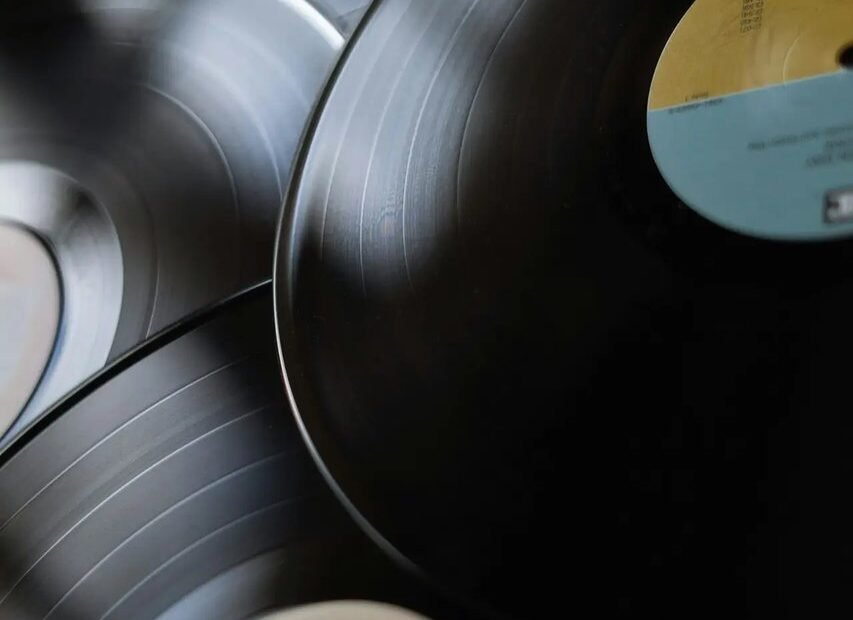
Vinyl collecting looks expensive from the outside — the $400 turntables, the $35 new pressings, the audiophile forums speaking in tongues. But the secret the hobby doesn’t advertise: some of the best collections ever built started at thrift stores with $1 records and a hand-me-down turntable. Vinyl is one of the few hobbies where budget constraints make you a better collector, not a worse one.
Starting to collect vinyl records on a budget is about knowing where the value hides: which turntables are actually worth buying cheap, where the $1 bins live, which pressings to avoid, and how to build a shelf you love without the audiophile tax. Here’s the complete starter guide.
The Turntable: How to Start Collecting Vinyl Records on a Budget Right
The turntable is your one real investment, and the minimum viable option costs less than people think. The rule: buy the cheapest turntable that won’t damage your records. That means avoiding the ultra-cheap suitcase players — their heavy tracking force and crude styluses genuinely wear records out faster. The entry-level sweet spot is a basic belt-drive turntable from a reputable brand (Audio-Technica’s AT-LP60X class, around $150 new, often under $80 used) — fully automatic, gentle on vinyl, and perfectly enjoyable.
Buy used confidently: turntables are simple machines, and the used market is full of 70s and 80s Japanese direct-drive decks (Technics, Pioneer, Sony) that outperform modern budget tables at half the price. Check thrift stores, estate sales, and local classifieds. Test before buying: it should spin at steady speed, the tonearm should move freely, and the stylus shouldn’t look bent or caked. Budget $20 for a replacement stylus — it’s cheap insurance and often transforms a used find.
Where the Cheap Records Live
Thrift stores are the budget collector’s paradise: Goodwill, Salvation Army, and estate sales routinely sell records for $1 to $3. The selection is random — that’s the point. You’ll find classic rock staples, jazz, soul, and classical in surprising depth, because those are what previous generations owned. Go often, go early on restock days, and learn to grade visually: hold the record at an angle to the light, check for scratches and warps, and inspect the sleeve. A $1 record in great shape beats a $30 record you’ll never play.
Record store dollar bins and flea markets are the next tier — slightly picked over, but still full of gems. Online, Discogs is the marketplace bible: check the median sale price before paying up anywhere, and filter for VG+ or better condition from high-rated sellers. What to avoid: overpaying for common records (if a million copies were pressed, it’s a $5 record no matter what the sticker says), picture discs (they sound worse), and ‘sealed vintage’ at premium prices (seals get faked). Buy music you love, not investments — the market is fickle, but a shelf of beloved records is priceless.
Reference: Discogs marketplace and price data.
Reference: Vinyl Engine turntable guides.
Budget Vinyl Starter Kit
Everything you need, prioritized:
- Turntable: entry-level belt-drive (AT-LP60X class) new, or a used 70s/80s Japanese deck — $80–$150.
- Powered speakers or a basic receiver + passive speakers — thrift stores are full of great vintage speakers for $20.
- Replacement stylus for any used turntable — $15–$25 of cheap insurance.
- Record brush (anti-static) — $15, and use it before every play. The best care investment there is.
- Outer sleeves (pack of 50, ~$10) — protect every record you buy, starting day one.
- A Discogs account — check median prices before buying anything over $10.
- Thrift store route — map your local Goodwills and estate sales; visit weekly.
Building a Collection You Love (Not Just a Big One)
The beginner mistake is buying quantity — filling shelves with $1 records you’ll never play because they were cheap. The fix: buy only what you’ll actually listen to, with one exception — the $1 ‘curiosity’ purchase. Some of my favorite records were blind $1 buys from the thrift bin, albums I’d never have tried at full price. Budget collecting gives you permission to experiment wildly; a dollar risk that pays off is the hobby’s purest joy.
Organize from the start — alphabetical by artist is the standard for a reason — and keep a wantlist (Discogs has one built in) so you recognize gems in the wild. Set a monthly budget and stick to it; the hunt is more fun with constraints. And play your records. A collection that gets listened to is a hobby; a collection that sits sealed is interior decoration. The crackle, the ritual of flipping sides, the album as a designed experience — that’s what you’re buying into, and it costs far less than the forums suggest.
Quick Answers to Common Questions
What’s the difference between a cozy game and a casual game?
Cozy describes the vibe (gentle, aesthetic, non-violent); casual describes the commitment (short sessions, easy to pick up). Most cozy games are casual-friendly, but casual also includes roguelikes, party games, and arcade titles with more adrenaline. You can be a casual player who loves fast-paced games — the defining trait is respecting your limited time, not the mood.
Can I play these games with my kids?
Many of them, yes — cozy games and party games are the most family-friendly corner of gaming. Check age ratings, disable in-game purchases on kids’ devices, and favor the subscription libraries (Apple Arcade, Play Pass) where purchases don’t exist. Co-op cozy games are genuinely wonderful family activities — building a farm together beats parallel screen time.
Do I need a powerful PC or console for casual gaming?
No — that’s the beauty of it. Cozy games, puzzlers, and party games run on modest hardware, phones, and the Switch. The most demanding casual games still target mid-range systems. If your device is from the last five years, it plays 95% of the casual catalog. Save the hardware budget; spend it on games instead (or don’t — subscriptions cover most of it).
More from Daily USA Post
- Keep reading: how do I make a smoothie that actually keeps me full
- Related: what are the best free mobile games with no ads
- how can I make karaoke night more fun at home, explained in detail
To start collecting vinyl records on a budget, invest in a decent entry-level turntable (skip the suitcase players), buy used decks and thrift-store records aggressively, check Discogs prices before paying up, and buy only music you’ll actually play. A great-sounding setup costs under $200 used, and the $1 bins will build a beloved shelf faster than the new-release wall ever could. The hobby rewards hunters, not spenders.