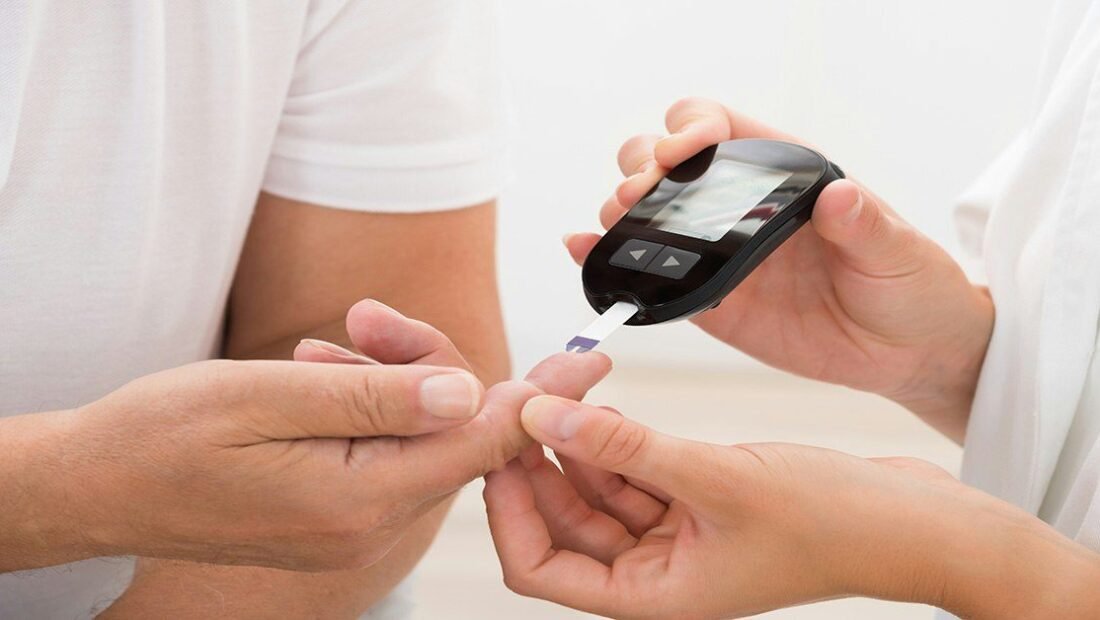
Diabetes usually whispers before it shouts. Long before a diagnosis, the body sends signals that are individually easy to dismiss — you are drinking more water, the afternoon slump is deeper, that scrape is taking its time — and it is precisely because each one has an innocent explanation that the pattern goes unrecognized for years. Type 2 diabetes often develops across a decade of rising blood sugar, much of it spendable in the reversible prediabetes stage. These are the whispers, what causes each one, and the point at which a whisper deserves a blood test.
Constant thirst and frequent urination: the classic pair
The mechanism is plumbing. When blood sugar runs high, the kidneys work overtime filtering the excess glucose out of the blood — and glucose leaving in urine drags water with it. More urine means more trips, including the signature pattern of waking multiple times a night. More water lost means more thirst, in a loop that refills the glass without ever closing it. The tell is the combination and the change: not “I drink a lot of water” (hydration is a virtue) but “I am suddenly drinking constantly and still feel parched, and I am up twice a night when I never used to be.” New, persistent, and paired — that is the flag, and it is usually the earliest one.
Exhaustion that sleep does not fix
Glucose is fuel, and diabetes is, at its core, a fuel-delivery failure: sugar piles up in the blood while the cells that need it cannot get enough of it in. The result is a specific kind of tired — sleeping eight hours and still hitting a wall every afternoon, heavy-limbed after meals, running on a battery that never shows full. It is the easiest sign to misattribute (work, age, stress, a bad mattress) and one of the most common. Of course most tired people do not have diabetes. But new exhaustion with no clear cause, especially alongside any other sign on this page, is exactly the combination a screening test exists for. The NIDDK’s overview of diabetes symptoms and causes catalogues the full list and the risk factors that raise the stakes.
Blurry vision that comes and goes
High blood sugar pulls fluid into the lens of the eye, temporarily changing its shape and therefore its focus. Vision blurs after meals, fluctuates through the day, sharpens and softens without pattern — and clears when blood sugar settles, which is why people blame eye strain, age, or a prescription that “isn’t right anymore” and buy new glasses for a blood-sugar problem. The fluctuation is the clue: ordinary vision problems are stable; sugar-driven blur moves. (This is also why eye doctors will not finalize a prescription for someone whose diabetes is uncontrolled — the lens keeps changing its answer.) Sustained high sugar over years damages the retina itself, which does not fluctuate and does not forgive; the temporary blur is the cheap warning for the permanent version.
Cuts that will not heal, and infections that keep returning
High blood sugar impairs circulation and dulls immune response at the same time, and the skin reports both. Minor cuts and blisters linger for weeks. Skin infections, gum infections, and — very commonly — recurrent yeast infections appear in a rotation they never used to. Feet deserve special mention: reduced circulation plus reduced sensation (the next sign) makes a small foot wound easy to miss and slow to close, which is why foot injuries in undiagnosed diabetes are taken so seriously. A sore that is still arguing with you after two weeks of basic care is not a first-aid problem anymore; it is a screening appointment.
Tingling, burning, or numbness in hands and feet
Sustained high blood sugar damages peripheral nerves, and the damage typically announces itself at the far ends: tingling, pins and needles, burning, or numbness in the feet first, then the hands, in the “stocking and glove” pattern neurologists describe. Unlike the earlier signs, this one usually indicates the condition has been running unchecked for a while — nerve damage is a late whisper, closer to a raised voice — which makes it the most urgent item on this page. It also tends to be permanent in proportion to how long it is ignored, and reversible mainly by not letting it start. If your feet have begun to feel strange in any of these ways, the test is not optional and neither is the timeline.
The quieter cluster: dark patches, constant hunger, irritability
Three more signs round out the picture. Acanthosis nigricans — velvety, darkened patches of skin on the neck, armpits, or groin — signals insulin resistance and often appears years before diabetes itself, particularly in younger and heavier patients; it is one of the few signs you can literally see in a mirror. Hunger that returns right after eating follows from the same delivery failure as the fatigue: without working insulin signaling, the cells never register “fed.” And unexplained irritability or mood dips track blood sugar swings more closely than most people realize. Individually deniable, in combination — say, dark neck patches plus constant hunger plus the thirst — they compose a picture no single innocent explanation covers.
Why the signs cluster: one failure, many messengers
Step back and the list stops looking random. Nearly every whisper traces to one of two failures. The first is insulin resistance: the body’s cells respond less and less to insulin’s signal, the pancreas compensates by producing more, and for years the system holds — until it gradually cannot, and blood sugar begins its climb. The dark neck patches, the returning hunger, and the deep fatigue all live here. The second failure is sustained high blood sugar itself, which damages the small vessels and nerves it bathes: hence kidneys leaking water, lenses swelling, wounds stalling, feet tingling. This is why the signs so often arrive in company — they are not nine separate problems auditioning; they are one process reported by nine different organs. It is also why the risk multipliers matter when you judge your own list: a parent or sibling with type 2 diabetes, a personal history of gestational diabetes or polycystic ovary syndrome, excess weight carried around the waist, and African American, Hispanic, Native American, or South Asian ancestry all raise the background probability enough that the same symptom deserves a faster test. The whisper is the same volume for everyone. The question is how much reason you already had to listen.
What testing actually looks like
Diagnosis is a blood draw, not an ordeal. The workhorse is the A1C test, which reports your average blood sugar across roughly the past three months: under 5.7 percent is normal, 5.7 to 6.4 percent is prediabetes, and 6.5 percent or above — confirmed on repeat — is diabetes. A fasting glucose test tells the same story in another dialect: 100 to 125 mg/dL is prediabetes, 126 or above is diabetes. Screening guidance generally recommends testing for adults from about age 35, and earlier or more often with risk factors: family history, excess weight, a history of gestational diabetes, or membership in a higher-risk ethnic group. If several signs above are already present, do not wait for a birthday to qualify — symptoms outrank screening schedules.
Prediabetes: the window that matters most
The best news in this entire topic is that the whisper stage is negotiable. Prediabetes is not a pre-written diagnosis; in the landmark Diabetes Prevention Program, a structured lifestyle intervention — losing about 5 to 7 percent of body weight and building to roughly 150 minutes of weekly activity — cut progression to diabetes dramatically, outperforming medication in that trial’s follow-up. That is why the warning signs are worth a page of their own: caught here, the trajectory bends. Caught at the tingling stage, medicine manages rather than reverses. And if your numbers do cross into diabetes, modern management is effective and the same lifestyle core remains load-bearing — the weight-and-activity plan looks exactly like the one in our guide to what a healthy weight loss goal per month looks like.
Read the list once more as a pattern rather than a menu: thirst and urination that arrive together and stay; tiredness that out-sleeps its welcome; vision that will not sit still; wounds on a go-slow; strange feet; dark patches at the neck. None of them proves anything alone. Two or three of them, new and persistent, are your body asking — politely, and for the moment cheaply — for a blood test. Answer it while the conversation is still a whisper. The test itself is one tube of blood at a routine appointment, cheaper than the new glasses the blurry vision was about to cost you, and it returns a number — not a verdict, a number — from which every useful next step follows. People postpone it because they fear the answer; the irony is that the answer, at the whisper stage, is the most fixable result in all of chronic disease. Fear the delay instead. It is the only item on this page that reliably makes things worse.