

The Department of Energy estimates that aggressive driving can cut gas mileage by 15 to 30 percent at highway speeds. Put that in Texas terms: a driver who covers 15,000 miles a year in a vehicle that gets 25 miles per gallon can lose hundreds of dollars a year to hard starts, hard braking, and high speed alone. No cleaner, magnet, or gadget is needed to get much of that money back. Six free fixes, done in order of size, will do it.
None of these steps asks you to buy a part or learn engine work. They ask you to change how the car is driven, loaded, and timed. Work through them in order, because the first two save more than the rest combined.
Step 1: Smooth Out How You Drive
This is the largest gain, and it costs nothing. Press the gas pedal as if something fragile sits under your foot. A hard launch burns far more fuel to reach the same speed than a steady, moderate push, and the time saved is usually seconds, not minutes.
Next, look far ahead. If you can see a red light, a line of brake lights, or a slow truck 15 seconds out, lift off the gas early and coast toward it. Every hard brake turns fuel you already paid for into heat in the brakes. Arriving a little slower, at the moment the light turns green, keeps the car rolling and the engine working less.
Speed is the third part, and Texas makes it hard to ignore. Most cars do their best work near 50 to 55 miles per hour. Past that point, air pushes back harder with every added mile per hour, and the original guidance puts the loss at roughly 7 percent for every 5 miles per hour over 50. On roads posted at 75 to 85, that adds up fast. Dropping from 80 to 70 on a long stretch of I-10 can improve economy by 15 percent or more, while adding only a few minutes to a long drive.
On flat highway, use cruise control. It holds a steady speed without the small surges most drivers make without noticing. In rolling hills, turn it off. Cruise control will often charge up a grade to hold speed exactly, where a human driver would let the car lose a mile or two per hour and save fuel.
Step 2: Stop Paying to Sit Still
An idling car gets zero miles per gallon. Ten seconds of idling can use more fuel than restarting a modern engine, so old advice about never turning the car off for a short stop no longer fits most vehicles on the road today.
Texas creates long idles without trying. School pickup lines crawl. Drive-thru lanes stall. Drivers start the car early so the cabin cools before anyone gets in. Each habit feels small. Together, they burn real fuel. If you expect to sit for more than 30 to 60 seconds, turn the engine off when it is safe to do so. Remote-starting a car for 10 minutes on a 105-degree day can burn about a quarter-gallon before the wheels move.
There are limits. Do not shut off in moving traffic, at a short light, or anywhere you need to move at once for safety. The point is parked and waiting time: the lot, the line, the driveway warm-up that modern engines do not need.
Step 3: Take Weight and Wind Resistance Off the Car
An engine works harder to move a heavier car and to push a blunter shape through air. Start inside. Clear out tools, sports gear, cases of water, and work supplies that live in the trunk all year. An extra 100 pounds cuts mileage by about 1 percent. That sounds small until you carry it for 15,000 miles.
Roof gear costs more. A cargo box can cut highway mileage by 10 to 25 percent, and an empty rack still adds drag. If the kayak carrier or bike rack stays on from spring break to Christmas, you pay for it on every grocery run. Take it off between trips and store it in the garage.
Then sort out windows and air conditioning honestly. Below about 45 miles per hour, open windows are usually the cheaper choice. Above that speed, the drag from open windows costs more than running the air conditioner. On a Texas highway in August, use the air conditioning and close the windows. Once the cabin is comfortable, ease off the coldest setting rather than blasting it for the whole trip.
Truck drivers should leave the tailgate up. Driving with it down does not help modern trucks. It disrupts the bubble of air the bed is designed to hold and can make drag worse, not better.
Step 4: Check Tire Pressure Once a Month
Soft tires bend more as they roll, and that bending wastes energy. Tires lose about 1 psi per month on their own, and wide swings between hot days and cooler nights in Texas do not help. A tire that is 8 psi low across the set can cost roughly 3 percent in fuel, on top of faster wear and poorer handling.
The fix takes about three minutes. Check pressure when the tires are cold, before driving, with a simple gauge. Fill to the number on the sticker inside the driver door jamb, not the maximum number printed on the tire itself. That sidewall number is a limit, not the target for your car.
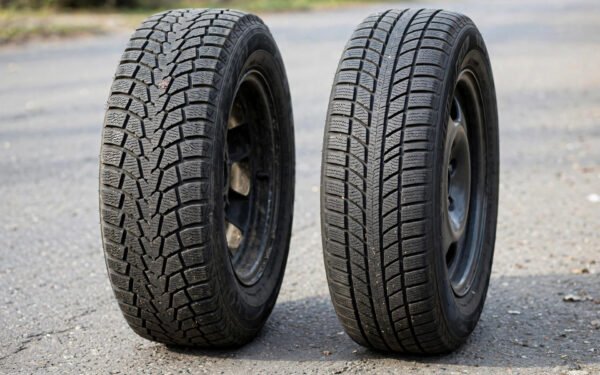
Look at the tread while you are down there. Wear that is heavy on one edge, or a car that pulls to one side, points to alignment trouble. Misaligned wheels scrub sideways as they roll and waste fuel every mile. That is a shop job, but spotting it early saves both gas and a set of tires.
Step 5: Keep Up the Basic Care the Car Already Needs
This step is not an upgrade. It is the care in the owner manual, done on time. A clogged air filter chokes airflow. On older cars, that can cut mileage by up to 10 percent. Check the filter once a year and replace it when it is dirty. It is one of the few jobs many drivers can do in a driveway in minutes.
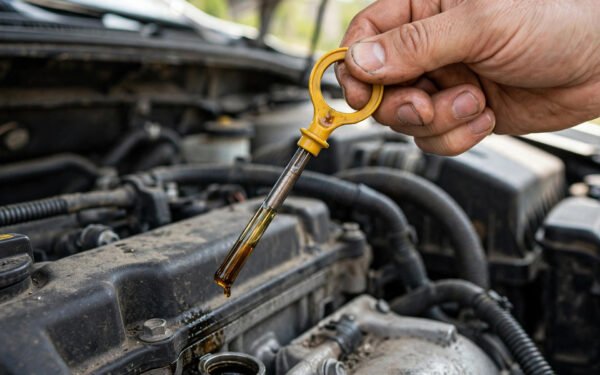
Worn spark plugs cause weak or missed firing, and missed firing wastes fuel outright. Follow the interval in the manual rather than waiting for a rough idle. Use the oil grade the maker calls for. Thicker oil sold as heavy duty does not protect better in Texas heat if the engine was built for a thinner grade. It adds drag inside the engine and can cost mileage.
Pay close attention to a sudden drop. If mileage falls fast and the check-engine light comes on, a failing oxygen sensor is a prime suspect. The original figures put the loss from a bad sensor at 15 to 40 percent, because the engine gets bad information and runs rich. Fixing a fault like that is not a fuel gadget. It is a repair that restores the car to normal.
Drivers weighing a bigger change should keep these habits either way. They apply just as much when you compare what an electric car really costs over five years in Texas, because smooth driving, tire pressure, and trip planning shape running costs for any vehicle.
Step 6: Plan Trips So the Engine Warms Up Once
A cold engine uses much more fuel in its first few miles. Four short trips, each starting cold, burn more than one longer trip that covers the same stops in a loop. Group errands. Go to the pharmacy, the store, and the post office in one run, starting with the farthest stop so the engine is warm for the rest.
Timing matters in the big Texas metros. Stop-and-go traffic can use far more fuel than steady flow over the same distance. If you can shift a Houston, Dallas, or Austin commute by 30 minutes and miss the worst crush, the saving is real, week after week. It also saves brakes and patience.
Route choice is not always about the fewest miles. A route that is a mile longer but moves at a steady 45 can beat a shorter route with a dozen lights and left turns across traffic. When you have a choice, pick flow over distance.
What to Skip at the Parts Store
Skip the bottles and bolt-ons that promise large gains for little money. Federal testing over many years has looked at a long list of aftermarket fuel-saving devices and found no meaningful gain, with some products causing harm. Bottled injector cleaner can have a narrow use on an older, dirty system, but it will not turn a hard-driven truck into an economy car.
For tested habits and vehicle-specific numbers, the Department of Energy’s fuel-saving driving tips lay out the same physics without a sales pitch: work the engine less, fight less air, roll with less resistance, and waste less time at zero miles per hour.
Start with the first step on your next drive. Ease away from lights, coast toward red, and hold a calmer highway speed. Then clear the idle, the trunk, and the roof rack, and set a monthly tire check. Most Texas drivers who do all six will see the change at the pump within a few tanks, and the car will repay them again in slower brake and tire wear.

1 Comment