Walk into any Texas dealership in 2026 and you’ll hear two competing pitches: the EV evangelist promising you’ll “never pay for gas again,” and the truck traditionalist warning that electric cars are money pits on wheels. Both are selling something. The truth about the real cost of owning an electric car versus a gas car in Texas is more interesting — and more favorable to EVs than skeptics admit, but with Texas-sized caveats around electricity rates, summer heat, and driving patterns that national averages completely miss. For more detail on a related topic, see our article on can ai diagnose car problems from the sound of the engine.
This is a full 5-year cost comparison built for Texas realities: purchase price, fuel/charging, insurance, maintenance, battery degradation in 110°F heat, and resale value. No hype, just math.
Purchase Price: The Gap Is Closing
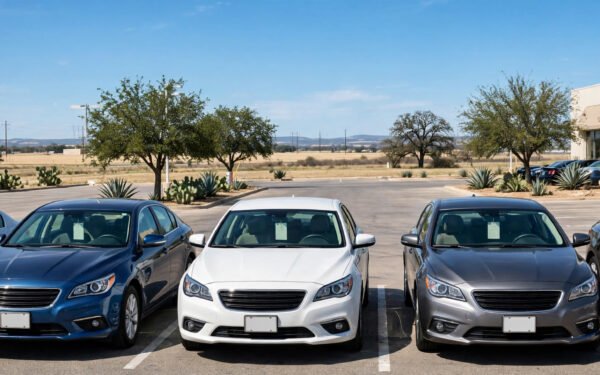
In 2026, the upfront gap has narrowed dramatically. A new Tesla Model 3 or Chevy Equinox EV starts in the low-to-mid $30Ks — within a few thousand of a comparable gas sedan or crossover. Used EVs are even more compelling: 3-year-old EVs with 40,000 miles routinely sell for 40–50% of their original sticker, a depreciation curve steeper than gas cars. For Texas buyers, that makes a used EV one of the best values in the market — if you understand battery health (more below).
Federal tax credits still apply to qualifying new and used EVs in 2026 (up to $7,500 new, $4,000 used, with income and price caps), and Texas has no state EV rebate — but several Texas utilities offer time-of-use rates and charger rebates that cut charging costs significantly.
Fuel vs. Charging: Texas Electricity Changes Everything
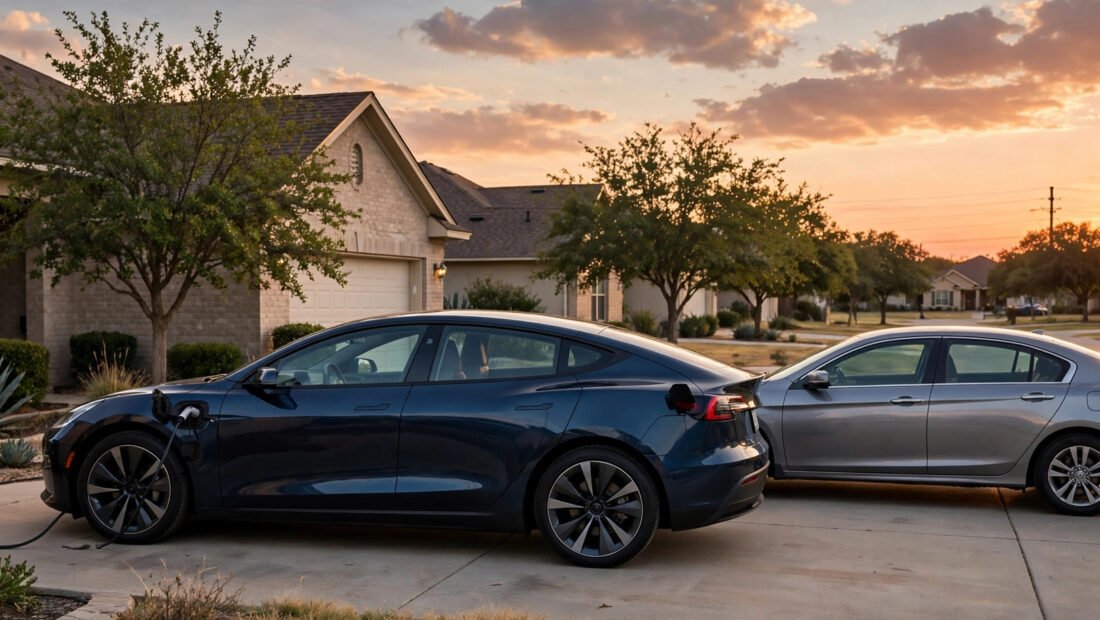
Here’s where Texas shines for EVs. Residential electricity in Texas averages roughly 14–16 cents per kWh in 2026 (ERCOT market, varies by provider and plan) — among the cheapest in the nation. The math:
- EV: a car using 0.30 kWh/mile at 15¢/kWh costs 4.5¢ per mile. Driving 15,000 miles/year = ~$675 in “fuel.”
- Gas: a 30-mpg car with Texas gas at ~$3.00/gallon costs 10¢ per mile. Same 15,000 miles = ~$1,500.
That’s an $825/year fuel saving at average rates — and Texas’s competitive retail electricity market lets many drivers do better with free-nights or EV-specific plans, pushing charging costs toward 2–3¢ per mile. Over 5 years, fuel savings alone run $4,000–$6,000. Home charging is the key: relying on DC fast chargers (35–50¢/kWh) erases most of the advantage. If you can’t charge at home or work, the EV fuel case weakens considerably.
To estimate your own numbers precisely, fueleconomy.gov’s EV cost tools let you plug in local electricity and gas prices.
Maintenance: The EV’s Quiet Superpower
EVs have roughly 20 moving parts in the drivetrain versus 2,000+ in a gas car. Real-world data consistently shows EV maintenance costs running 30–50% lower:
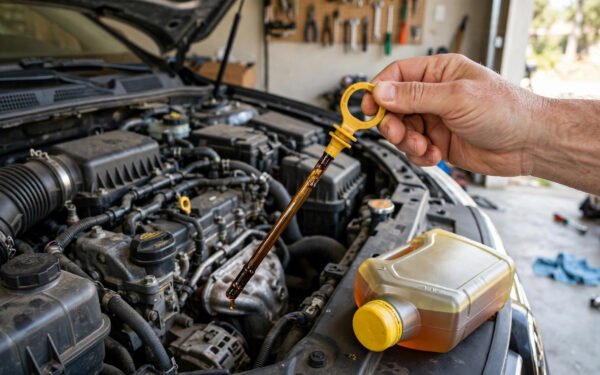
- No oil changes, no transmission services, no spark plugs, no exhaust systems.
- Brake pads last 2–3x longer thanks to regenerative braking — a big deal in Texas stop-and-go traffic.
- Tires wear faster (EVs are heavy and torquey) — budget an extra $200–$400 per tire set over 5 years.
- Cabin air filters, wiper fluid, 12V battery: the thrilling remainder of EV maintenance.
Over 5 years/75,000 miles, expect roughly $2,500–$3,500 in EV maintenance versus $5,000–$7,000 for a comparable gas car. The AAA’s driving-cost studies corroborate this gap year after year.
The Texas Heat Problem: Battery Degradation
Here’s the honest caveat. Lithium-ion batteries degrade faster in sustained heat, and Texas delivers sustained heat. A car parked daily in 105°F+ sun in Phoenix-style conditions can lose capacity noticeably faster than one garaged in milder climates. Mitigations that actually work:
- Garage or shade park. This single habit matters more than any other factor.
- Limit DC fast charging to road trips; daily fast-charging in heat accelerates degradation.
- Keep charge between 20–80% for daily use; charge to 100% only before long trips.
- Precondition while plugged in — cooling the cabin from wall power instead of battery.
Modern EVs with active liquid thermal management (Tesla, Hyundai/Kia, GM Ultium) handle Texas heat far better than early air-cooled designs. Battery warranties (8 years/100,000 miles minimum federally) protect against excessive degradation. For used-EV shoppers: pay $100–$150 for a battery health report before buying — it’s the EV equivalent of a compression test.
Insurance and Registration
EVs typically cost 10–20% more to insure — heavier vehicles, expensive battery packs, and pricier repairs after collisions. On a $1,800/year Texas policy, that’s $180–$360 more annually. Texas also charges EVs an additional annual registration fee (currently $200, structured to replace lost gas-tax revenue). Budget these in; they shave a few hundred dollars off the annual advantage but don’t erase it.
The 5-Year Verdict
For a Texas driver doing 15,000 miles/year with home charging:
- Fuel savings: +$4,000 to $6,000 (EV wins)
- Maintenance savings: +$2,500 to $3,500 (EV wins)
- Insurance + registration penalty: −$1,500 to $2,500 (gas wins)
- Purchase price: roughly even in 2026 for comparable new models; used EVs often cheaper
Net: the EV saves roughly $4,000–$7,000 over 5 years for the home-charging Texas driver — more if you snag a tax credit or cheap nights-plan electricity. The EV loses its edge if you can’t charge at home, drive very little (under 8,000 miles/year), or need maximum towing range. Understanding your home electricity usage helps you pick the right charging plan to maximize the savings.
Conclusion
In Texas in 2026, the electric-vs-gas math favors EVs for most drivers who can charge at home — cheaper “fuel” from the state’s low electricity rates, dramatically lower maintenance, and a purchase-price gap that’s nearly closed. The honest risks are heat-driven battery degradation (manageable with garaging and sane charging habits), higher insurance, and the $200 annual state fee. Run your own numbers with your actual mileage and electricity plan, get a battery health check on any used EV, and ignore both the evangelists and the doomsayers. The spreadsheet doesn’t care about anyone’s feelings — and right now, in Texas, it leans electric.
Frequently Asked Questions
How long do EV batteries last in Texas heat?
Modern liquid-cooled EV batteries typically retain 85–90%+ capacity after 8–10 years even in hot climates, provided you garage the car, limit fast charging, and avoid sitting at 100% charge in heat. Federal warranty covers 8 years/100,000 miles against excessive degradation.
Is home charging installation expensive in Texas?
A 240V Level 2 charger installation typically runs $500–$1,500 depending on your panel’s capacity and the charger’s distance from it. Many Texas utilities offer rebates that offset part of the cost, and the fuel savings usually pay it back within a year.
Do EVs really save money if electricity rates rise?
Even at 20¢/kWh, EV fuel costs (~6¢/mile) stay well below gas (~10¢/mile at $3/gallon). Texas’s deregulated market and abundant wind/solar generation have kept residential rates among the nation’s lowest, and EV-specific time-of-use plans offer even cheaper overnight charging.
What about road trips across Texas in an EV?
Texas’s interstates now have solid DC fast-charger coverage, and a 250+ mile range EV handles Dallas–Houston or Austin–San Antonio with one 20-minute stop. West Texas stretches need more planning — check charger maps before crossing the emptier corridors.
Are used EVs a good buy in Texas?
Often the best value in the market — steep depreciation means 3-year-old EVs sell at half their original price. Always get a battery health report first, prefer liquid-cooled models, and check that the car lived a garaged life if possible.