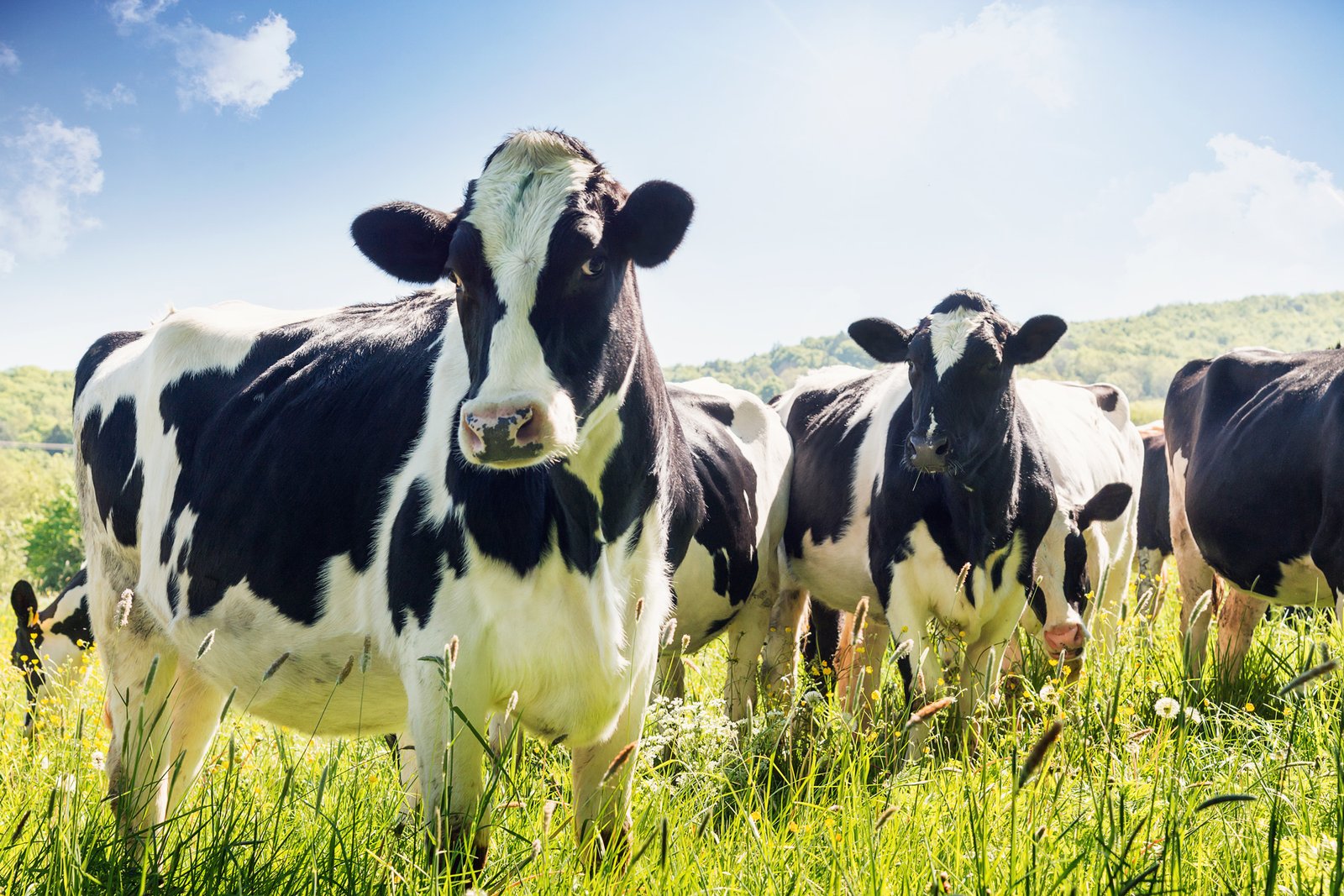
How much does a cow cost? In 2026’s historically hot cattle market, expect to pay $1,500–$3,000+ for a decent dairy cow and $1,500–$5,000 for a beef cow. Prices are at or near record highs — USDA data put replacement dairy heifers at a record $3,110 per head in late 2025, and the tight supply behind that number isn’t unwinding anytime soon.
Whether you’re starting a homestead, adding to a small herd, or just curious what that field of cattle is worth, here’s what cows actually cost right now — and what affects the price tag on any given animal.
How Much Does a Cow Cost in 2026?
- Dairy cow: $900–$3,000 (lactating cows: $1,500–$2,100; proven family cows at the top end)
- Beef cow: $800–$3,500 (bred females from good lines: up to $5,000+)
- Replacement dairy heifer: ~$3,010–$3,110/head — a record, up 164% from 2019 lows
- Young calves: $500–$1,400 depending on breed and market
- Jersey cows: $1,400–$1,800 — popular with homesteaders for manageable size and rich milk
Those heifer numbers deserve emphasis: quality Holstein replacement heifers have routinely fetched over $3,000 a head, with premium animals topping $4,000 at auctions in California and Minnesota, according to industry reporting on USDA data. If you’re buying in 2026, you’re buying at the top of the market.
Why Are Cow Prices So High Right Now?
This isn’t normal — it’s the tightest cattle supply in decades. A few forces collided:
- The herd shrank. Years of drought and high feed costs pushed ranchers to sell breeding females, and you can’t rebuild a herd overnight. Biology sets the pace: even aggressive rebuilding wouldn’t produce new milking cows until 2027.
- Beef-on-dairy breeding. About 3 out of 4 dairies bred some cows to beef bulls to capture premium calf prices — which means roughly 800,000 dairy replacement heifers that would normally exist simply don’t.
- Strong beef demand. Fed cattle averaged around $199–$201 per hundredweight through 2025 — a 1,400-pound steer brings roughly $2,800. Packers are hungry for animals, which pulls every category of cattle price upward.
Analysts expect these elevated prices to persist through 2026, with gradual moderation possible in late 2026 or 2027. A return to pre-2023 prices isn’t on anyone’s serious forecast.
Dairy vs. Beef Cows: Price Differences
- Dairy cows ($900–$3,000): You’re paying for milk production. A proven milker in her prime (3–6 years old) commands the top of the range. Older or unproven animals cost less but carry more risk. Holsteins produce the most milk; Jerseys and Brown Swiss are homestead favorites for butterfat and temperament.
- Beef cows ($800–$3,500+): You’re paying for genetics and reproductive history. A young bred female (pregnant) from a respected Angus or Hereford line can push past $5,000. Open (non-pregnant) cows and older animals run cheaper.
Rule of thumb for homesteaders: a dairy cow is a daily commitment that pays you back in milk; a beef cow is a lower-maintenance animal that pays off at sale time. Be honest about which lifestyle you want before you shop.
6 Factors That Affect a Cow’s Price
1. Breed
Black Angus dominates the beef world and commands premiums. Herefords are docile and hardy. Among dairy breeds, Holsteins are the volume producers while Jerseys cost a bit more per animal for their rich milk and smaller appetite. Rare heritage breeds can carry surprising premiums despite lower production.
2. Age
Prime-age animals (3–6 years) cost the most — they’re proven and productive. Weaned calves are cheapest but need a year or more before they produce. Old cows are cheap for a reason: fewer productive years left.
3. Bred vs. open
A confirmed-pregnant cow is worth substantially more than an open one — you’re buying two animals, effectively. Always get breeding status in writing.
4. Registered vs. commercial
Registered purebreds with papers cost 30–100% more than commercial grade animals. For a homestead milker or freezer beef, papers are an unnecessary luxury.
5. Location
Cattle country (Texas, the Midwest, the Southeast) has deeper markets and better prices. Buying in New England or the urban West means fewer sellers and higher prices — plus transport costs.
6. Market timing
Spring brings peak demand (everyone wants calves and bred females). Fall cull sales can offer deals on solid animals that simply didn’t fit a ranch’s program.
The Real Cost: Beyond the Purchase Price
Here’s what first-time buyers underestimate: the cow is often the cheapest part. Annual costs per animal run roughly:
- Feed and hay: $500–$1,500+/year depending on pasture quality and region
- Veterinary care: $100–$300/year for vaccines, deworming, and the occasional emergency
- Fencing and shelter: $1,000–$5,000+ upfront for a small setup, amortized over years
- Minerals and supplements: $50–$100/year
- Liability insurance: worth pricing — if your animals get onto a road, you’re liable. Our general liability insurance cost guide covers what farm-scale coverage runs.
Budget at least $1,000–$2,000 per cow per year in carrying costs — more if you’re buying all your hay. A “cheap” $800 cow that needs $2,000/year in feed isn’t cheap.
Where to Buy a Cow
- Livestock auctions: The deepest selection and true market prices. Go watch a few sales before you bid — and set a hard ceiling.
- Private breeders: Best for dairy cows and registered stock. You can see the dam’s production records and the farm’s conditions.
- Farm dispersals: When a dairy sells out, quality animals go at fair prices. Watch local farm publications.
- Online listings: Convenient, but never buy sight unseen. Visit the animal, watch it walk, check its eyes and udder.
Whatever the source: get a vet check before money changes hands, confirm vaccination and breeding records, and quarantine new animals from your existing herd for 2–3 weeks.
Ways to Save When Buying a Cow
- Buy in the fall. Cull season brings more sellers and softer prices than spring.
- Consider weaned calves if you can wait a year for production — much cheaper upfront.
- Skip the papers. A healthy commercial-grade cow milks just as well as a registered one for homestead purposes.
- Buy pairs. A cow with a calf at her side is often better value than buying separately.
- Start with one proven milker rather than three cheap unknowns. One good cow beats three problems.
Cow Cost FAQs
How much land do I need per cow?
Roughly 1–2 acres of decent pasture per cow-calf pair in most regions — more in arid country, less on lush irrigated ground. Overstocking is the classic beginner mistake; it wrecks the pasture and spikes your hay bill.
How much milk does a dairy cow produce?
A Holstein averages 6–7 gallons a day at peak lactation. A Jersey gives 4–5 gallons but with higher butterfat. That’s far more than most families can use — plan for pigs, calves, or neighbors.
Can I keep just one cow?
You can, but cattle are herd animals and a lone cow will be stressed and loud. Two is the practical minimum — which is worth factoring into your budget.
How long do cows live?
15–20 years, with 8–10 productive years for dairy cows and longer for beef cows. Buying a 5-year-old means you’re getting the back half of her career — price it accordingly.
Is raising a cow for beef worth it?
At current cattle prices, the math is tighter than it looks. Between purchase, feed, processing ($500–$1,000+ for butchering and wrapping), and your time, homestead beef often costs as much per pound as the store. People do it for quality and self-sufficiency, not savings.
The Bottom Line
In 2026, a cow costs $900–$5,000 depending on type, age, and breeding status — with the overall market at historic highs thanks to tight supply. Dairy cows run $900–$3,000, beef cows $800–$3,500+, and replacement heifers are setting records above $3,000. Buy the animal that fits your actual goals, budget $1,000–$2,000 a year in carrying costs, and remember: in this market, patience and a fall purchase can save you real money. For the full picture on pricing livestock, this homestead-focused price breakdown is a solid second opinion.