
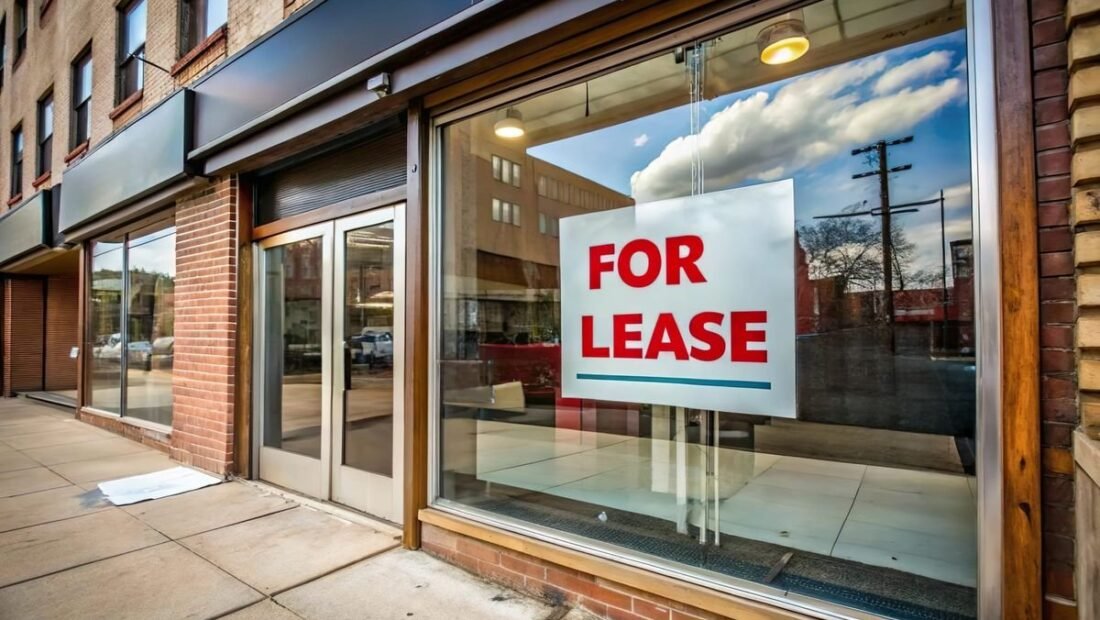
Most first-time shop owners treat the asking rent like a price tag at a grocery store — fixed. It’s not. Commercial landlords almost always build cushion into the number, and the lease terms around the rent (who pays for repairs, how increases work) matter just as much as the monthly figure.
Here’s the thing nobody tells you upfront: the basics are simple, but the details are where people win or lose. Let’s get into both.
Negotiate rent for a small retail space in the Real World
A friend opening a bakery in Columbus found a corner spot listed at $2,800 a month. She loved the location but the number didn’t work. Instead of walking away, she asked the landlord what mattered to him: turns out he’d had the space vacant for five months and hated the idea of another long vacancy. She offered $2,400 with a three-year term and a personal guarantee, and he took it in two days. The rent wasn’t really $2,800 — it was whatever a reliable tenant would pay.
There’s a pattern I’ve noticed: the fix is almost always cheaper and simpler than people fear. Owners put this off imagining a massive project, then discover it was a few hours of focused work plus one good decision. The procrastination costs more than the solution. If this has been sitting on your to-do list, consider this your nudge — the hardest part is starting.
Let me put some stakes on this. The businesses that handle this well don’t just save money or time — they build an asset. Good systems, good credit, good processes: these compound quietly in the background while you’re busy with everything else. A year from now, you’ll either be glad you set this up or wish you had. There’s rarely a middle outcome.
For authoritative background on this topic, see the SBA guide to leasing commercial space.
Common Mistakes to Avoid
Before the how-to, let’s clear the landmines. These are the mistakes I see over and over, and each one is completely avoidable.
- Negotiating only the monthly rent and ignoring CAM fees, maintenance, and annual increases
- Signing a personal guarantee without understanding you’d owe even if the business fails
- Falling in love with a location before negotiating, which kills your leverage
Your Action Plan
Here’s your move-by-move plan. Nothing fancy — just the steps that actually move the needle.
- Ask how long the space has been vacant. Long vacancies mean a motivated landlord and real leverage.
- Negotiate the whole package: base rent, annual increases capped in writing, who handles repairs, and renewal options.
- Get a tenant improvement allowance — landlords often pay for buildout rather than drop rent.
- Always have a commercial real estate attorney review the lease before you sign anything.
Why This Matters More Than You Think
Here’s why negotiate rent for a small retail space deserves a spot near the top of your priority list: it’s one of those quiet levers that separates businesses that compound from businesses that tread water. Nobody gives you an award for getting this right. There’s no dramatic moment. But twelve months from now, the owners who handled this well will have lower costs, less stress, or better positioning — and the ones who ignored it will be dealing with the same problem, only more expensive. Small business success is mostly a collection of unglamorous things done correctly.
What the Research and Real Experience Say
What the most successful small businesses have in common regarding negotiate rent for a small retail space isn’t a secret tactic — it’s systematization. They turned a recurring decision into a process, assigned it a regular review, and stopped relying on memory and good intentions. If there’s a single ‘secret’ in small business, it’s that: systems beat heroics, every time.
Your First 30 Days
Your first 30 days with negotiate rent for a small retail space don’t need to be heroic. Week one: gather information — know your numbers, read the key documents, understand where you stand. Week two: make the single highest-leverage decision or change. Week three: set up whatever system keeps it handled going forward. Week four: review and adjust. That’s it. One month, one topic handled, momentum built for the next thing.
What Success Looks Like
Picture negotiate rent for a small retail space handled: the numbers make sense, the system runs itself, and you’re spending your energy on customers instead of cleanup. That’s the real payoff — not the direct savings, but the attention it frees up. Every unresolved business issue charges you a background tax of worry and distraction. Resolving this one pays you back in focus, which is the scarcest resource you have.
Quick Answers to Common Questions
What do most people get wrong about this?
They overcomplicate it. The effective version of this is simpler than the internet makes it look — a few fundamentals, done consistently. Complexity is usually procrastination in disguise.
Are there shortcuts?
Honest answer: the only real shortcut is learning from people who’ve already done it. Everything else marketed as a shortcut is either a scam or a fundamentals-skip that you’ll pay for later.
When should I reassess my approach?
Give any serious effort 60-90 days before judging it, then reassess quarterly. Constant switching is worse than a mediocre plan followed faithfully — pick something reasonable and let it work.
Celebrate the unglamorous middle. The beginning is exciting and the end is satisfying, but the middle — where most people quit — is where the actual results live.
Remember, nobody gets this perfect on the first try, and that’s fine. The goal was never perfection; it was progress. Start where you are, use what you have, and adjust as you learn. That’s the whole strategy, and it works.
Keep learning: Buy vs. Rent Commercial Property: What’s Better for a New Business?, Is Your Business Idea Actually Viable? 7 Tests to Find Out, and What to Do When Your Business Partner Isn’t Pulling Their Weight.
The Bottom Line
Everything in a commercial lease is negotiable, including things you didn’t know were on the table. Do your homework on the vacancy, know your walk-away number, and negotiate like the landlord needs you — because a good tenant is genuinely hard to find. For further reading, the Nolo’s commercial lease negotiation basics is a solid next stop.




2 Comments