
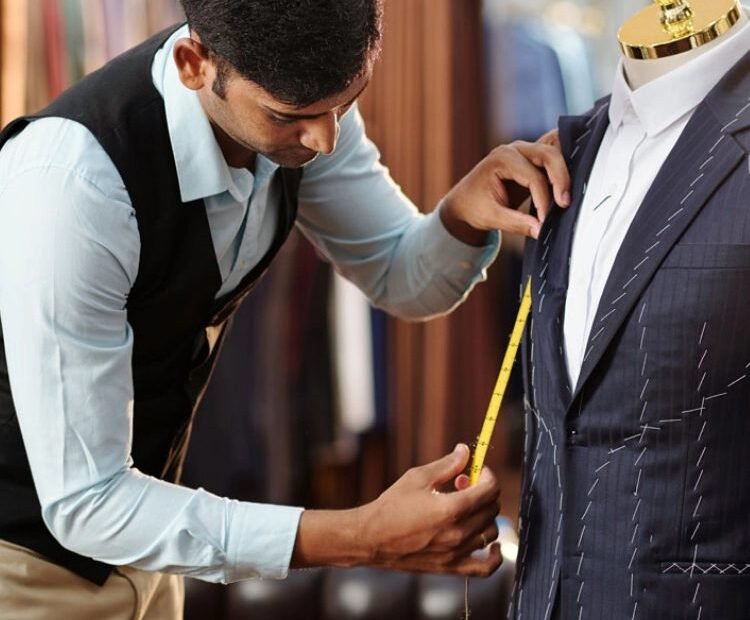
I used to balk at $25 alterations on $40 clothes. Then I did the math on cost-per-wear — and never looked back.
Fashion advice is either suspiciously vague (‘just be confident!’) or suspiciously expensive. This is neither — it’s the practical stuff that actually works in real life, on a real budget, for real bodies. I learned most of it the hard way so you don’t have to.
Tailor worth the cost: What the Evidence Shows
Let’s get specific about tailor worth the cost — what it means, why it matters, and the practical steps that make a difference. Everything below is actionable starting today.
The math: divide by wears. A $25 hem on trousers worn 100 times costs $0.25 per wear. An unhemmed $40 pair worn twice because they look sloppy costs $20 per wear. Tailoring is the cheapest luxury in clothing — it converts unworn clothes into favorites. Not glamorous, not expensive — just something that works.
What’s worth altering
Hemming pants and skirts ($12-20), taking in waists ($20-30), shortening sleeves ($15-25), tapering legs ($20-30). These are quick, cheap, transformative. If the shoulders and hips fit, everything else is fixable. Simple, free, and backed by both science and common sense.
What’s NOT worth altering
Shoulders (rebuilding a jacket’s shoulders costs $75+ and rarely looks right), anything needing more than 2 sizes of change, and cheap fast-fashion pieces where alterations exceed the garment’s value. Know when to return instead. This is one of those fixes that feels too easy to matter — until it does.
Related reading: our guide to what are the most comfortable heels for a wedding covers a closely connected topic worth understanding alongside this one.
Find your tailor before you need one
Ask well-dressed friends, check dry cleaners (many do alterations), read reviews. A good tailor is a long-term relationship — they’ll tell you honestly what’s fixable. Build the relationship with small jobs first. The people who do this consistently swear by it, and the logic holds up.
Thrift + tailor = custom wardrobe
A $15 thrifted blazer plus $40 of alterations fits like bespoke. This combination is the worst-kept secret of stylish people on budgets — the thrift store provides quality fabric, the tailor provides the fit. Small change, real payoff — that’s the pattern with this one.
Communicate clearly, try on pinned
Pin or mark exactly what you want, try the pinned garment, and be specific (‘take in one inch at the waist’). Good tailors welcome precision. ‘Make it look better’ is not instructions — bring the shoes and undergarments you’ll wear with it. File this under ‘boring but effective,’ the best category there is.
Quick Takeaways
- The math: divide by wears: A $25 hem on trousers worn 100 times costs $0.
- What’s worth altering: Hemming pants and skirts ($12-20), taking in waists ($20-30), shortening sleeves ($15-25), tapering legs ($20-30).
- What’s NOT worth altering: Shoulders (rebuilding a jacket’s shoulders costs $75+ and rarely looks right), anything needing more than 2 sizes of change, and cheap fast-fashion pieces where alterations exceed the garment’s value.
- Find your tailor before you need one: Ask well-dressed friends, check dry cleaners (many do alterations), read reviews.
- Thrift + tailor = custom wardrobe: A $15 thrifted blazer plus $40 of alterations fits like bespoke.
- Communicate clearly, try on pinned: Pin or mark exactly what you want, try the pinned garment, and be specific (‘take in one inch at the waist’).
Fit First, Everything Else Second
If you take one principle from this article, make it this: fit outranks brand, price, and trend combined. An altered $30 garment beats an unaltered $300 one — every tailor will confirm this. Learn your measurements, know what flatters your proportions, and budget for alterations like they’re part of the purchase price.
In the fitting room, move: sit, walk, raise your arms. Clothes are worn in motion, not in mirrors. If it only looks good standing perfectly still, it’s not the right piece — no matter how good the still version looks.
A Common Mistake to Avoid
Tailoring cheap clothes that aren’t worth it, or skipping tailoring on good clothes that are. The rule: tailor quality pieces and thrifted gems; don’t tailor $15 fast-fashion tops. Match the alteration investment to the garment’s lifespan.
If you want to go deeper on a related topic, see our guide to what are the best budget-friendly maternity clothes — and for a different angle on everyday wellness, our guide to how do I find jeans that fit curvy body types is worth your time.
Thrift Like a Pro
The best thrifters shop often, know their measurements by heart, and check fabric labels before price tags. Natural fibers and quality construction are what you’re hunting — a $8 wool blazer beats a $8 polyester one by miles. Go on weekday mornings for the best selection, and always try things on; thrift sizing is chaos.
Look past styling to potential: dated buttons can be swapped, hems can be altered, and a good tailor turns thrift finds into custom pieces. The thrift store is a raw-materials shop for people with vision — and a tailor’s phone number.
For authoritative background, see Good Housekeeping’s clothing and style lab tests, and also Real Simple’s practical clothing advice for a second perspective.
Frequently Asked Questions
How much should alterations cost?
Basic hems $12-20, waist alterations $20-30, jacket sleeve shortening $25-40. Prices vary by city — get quotes. Anything double these rates, get a second opinion.
Can tailors fix ‘almost’ fits?
Almost-fits are exactly what tailors are for — the waist that’s an inch off, the sleeve that’s long. ‘Almost’ plus $20 equals perfect. That’s the entire business model.
Your Action Plan This Week
Day 1: pull out everything related to this topic from your closet and assess honestly — what works, what’s dead. Day 2-3: handle the maintenance — wash, de-pill, steam, repair. Day 4: identify the single biggest gap and shop for it with the rules from this article. Day 5-7: wear the new setup and notice what still bothers you. One focused week beats months of vague intention.
Set a budget before you shop and write down the specific piece you’re hunting — vague shopping produces vague results. The most stylish people shop with lists, not moods.
The Bottom Line
Tailoring is worth it when: the garment has lifespan (quality or thrifted), shoulders fit, and the fix is simple (hems, waists, tapering). $20 of alterations routinely creates a $200 look.



