
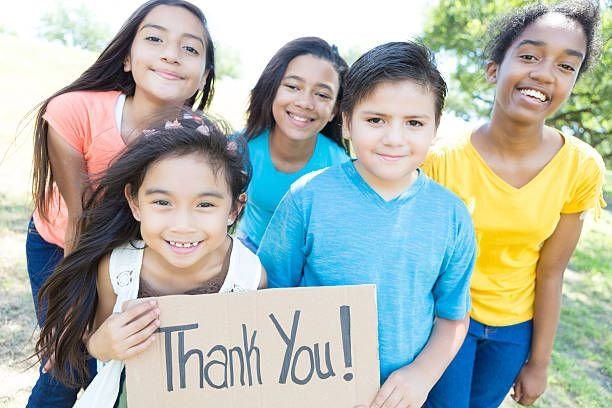
‘Say thank you!’ I must have said it a thousand times before realizing my kids could parrot the words with zero gratitude behind them. Forced thank-yous teach manners, not thankfulness. Real gratitude — the kind linked to happier, more generous kids — is caught more than taught. Trying to “teach my kids to be grateful” hit its real test in the teenage years — when eye-rolls replaced thank-yous and I had to rethink everything.
Teaching kids to be grateful works through three channels: what they see you do, the rituals that make gratitude habitual, and experiences that build perspective. Lectures aren’t on the list. They never work; they just teach kids to tune out the word ‘grateful.’
Here are 12 approaches that actually shape grateful kids, from toddlers to teens.
Model It: They Watch Everything
Kids are gratitude anthropologists — they study your behavior and replicate it. Say thank you genuinely and specifically in front of them: not just ‘thanks’ to the cashier, but ‘thank you for bagging those so carefully.’ Narrate your own gratitude out loud: ‘I’m so grateful Grandma could come today’ or ‘We’re lucky to have this park so close.’ You’re giving them the vocabulary and the habit simultaneously.
Let them see you handle disappointment with grace. When the restaurant messes up the order and you stay kind, when plans fall through and you find the silver lining — that’s gratitude in action. The Greater Good Science Center at UC Berkeley has excellent research summaries on how parental modeling shapes children’s gratitude and well-being.
Also model gratitude toward them: ‘Thank you for helping your sister — that was kind.’ Kids who feel appreciated develop the emotional template for appreciating others. It’s reciprocal by nature.
Build Gratitude Rituals
Rituals beat reminders because they’re automatic. The dinner-table ‘rose, thorn, bud’ (best part, hard part, something you’re looking forward to) takes three minutes and trains kids to scan their day for good things. A bedtime ‘three good things’ works the same way. My kids started doing it unprompted after about a month — that’s when I knew it had stuck.
A family gratitude jar — slips of paper with good things, read aloud on New Year’s Eve or Thanksgiving — turns gratitude into a tangible, exciting tradition. Gratitude letters (to grandparents, teachers, coaches) teach kids that thankfulness is something you give, not just feel. One heartfelt letter teaches more than a year of prompted thank-yous.
For teens, try the ‘gratitude text’: once a week, text someone something you appreciate about them. It fits their medium, it’s private enough not to embarrass them, and the responses they get reinforce the habit powerfully. Teens who’d die before saying grace will happily send a sincere text.
Create Perspective (Without Guilt Trips)
‘There are starving children…’ doesn’t build gratitude; it builds guilt and resentment. Perspective comes from experience, not lectures. Volunteer as a family — food banks, park cleanups, toy drives where kids pick the toys to donate. Doing, not hearing about, need is what shifts perspective. Let them choose what to give; ownership matters.
Limit the ‘stuff treadmill.’ Kids bombarded with constant new things learn that happiness comes from acquisition — the opposite of gratitude. Implement waiting periods for wants (‘let’s put it on the birthday list’), celebrate experiences over objects, and talk openly about money in age-appropriate ways. Our family budget guide includes kid-friendly money conversations.
Share your own stories of doing without — not as guilt, but as narrative. ‘When I was your age, we…’ stories give kids a sense of their own good fortune as a story, not a scolding. And when they do show genuine gratitude — the unprompted thank-you, the noticed kindness — celebrate it big. What gets noticed gets repeated.
Teach My Kids to Be Grateful: The Teenage Test
Teenagers break every gratitude technique that worked on little kids — the cute rituals get eye-rolls, the forced thank-yous breed resentment, and lectures about privilege bounce off completely. What works with teens is indirect: gratitude through responsibility and perspective. A part-time job does more for a teenager’s gratitude than a year of dinner-table roses — earning money rewires the value of everything. Travel, especially anywhere with visible inequality, shifts perspective faster than any speech. And genuine responsibility — caring for a pet, contributing to family expenses, volunteering where they’re actually needed — builds the earned understanding that lectures can’t.
The other teen insight: model gratitude for them, specifically, and say it out loud. Teenagers are convinced their parents don’t notice anything — so notice. ‘Thank you for driving your sister — I know it messed up your plans.’ ‘I appreciate how hard you’re working on that class.’ Teens who feel genuinely appreciated develop the emotional template for appreciating others; teens who feel invisible learn to return the favor. The family budget guide includes age-appropriate money transparency that builds financial gratitude alongside the emotional kind. Play the long game — the grateful adult is being built right now, invisibly, in the teenager who’s rolling their eyes.
12 Ways to Raise Grateful Kids
- Narrate your own gratitude out loud daily
- Thank people specifically in front of your kids
- Handle disappointment with visible grace
- Thank your kids sincerely when they’re kind
- Dinner ritual: rose, thorn, bud
- Bedtime: three good things
- Family gratitude jar, read yearly
- Write gratitude letters together
- Weekly gratitude text (great for teens)
- Volunteer as a family; let kids choose what to give
- Waiting periods for wants; experiences over objects
- Celebrate genuine gratitude hugely when you see it
Play the Long Game
Gratitude is a slow build, not a lesson. You won’t see results this week — you’ll see them in five years when your teenager thanks the server sincerely without being asked, or when your college kid calls just to say they appreciate you. That’s the harvest; today is planting season.
Start with one ritual tonight — three good things at bedtime takes two minutes. Model it, ritualize it, and trust the process. The grateful kid isn’t the one who says thank you the most; it’s the one who notices the most. Teach the noticing, and the thank-yous take care of themselves.



