Reading is the master skill — the one academic ability that predicts success in every other subject, from math word problems to science textbooks. And the research is unambiguous about where it is built: not primarily in classrooms, but in homes where reading is woven into daily life. Texas parents do not need teaching credentials to raise strong readers; they need the right daily habits, started early and sustained patiently. Here is what actually works, by age.
Why Home Matters More Than School
Children spend roughly 15 percent of their waking hours in school — the other 85 percent is home territory. Studies of reading development consistently find that home literacy environment (books available, parents reading aloud, conversations rich in vocabulary) predicts reading achievement more strongly than many school factors. The famous Hart & Risley research found children in language-rich homes hear tens of millions more words by age three — a gap that echoes through high school. The encouraging flip side: it is never too late to enrich the environment, and the interventions are free.
Ages 0–5: Build the Foundation
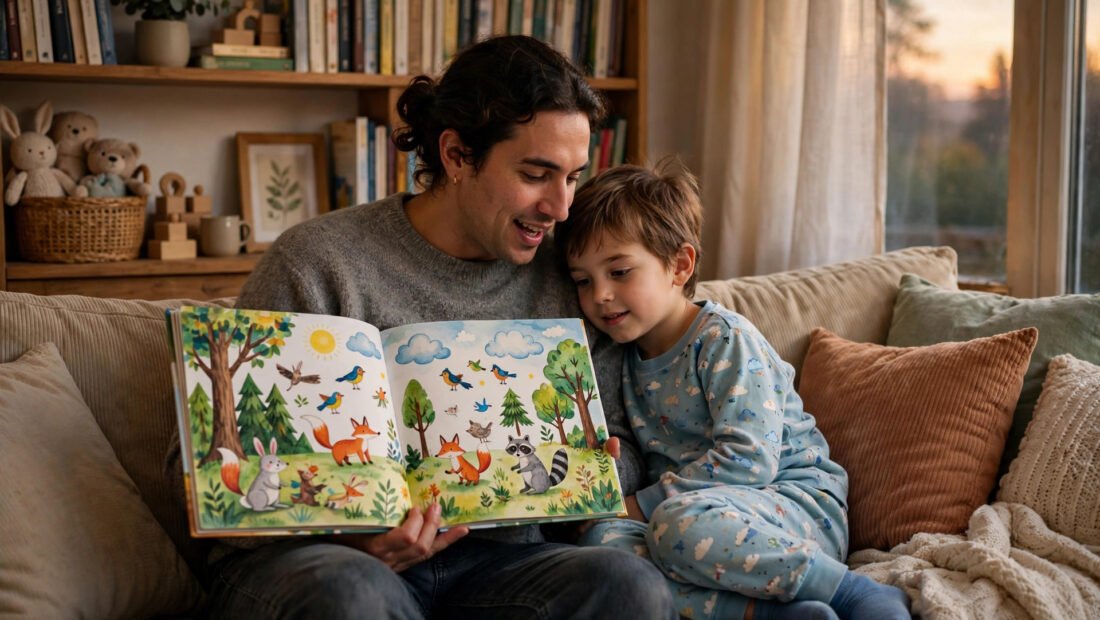
Read aloud daily — 15–20 minutes minimum. This is the single highest-impact activity. Read with expression, point at pictures, ask “what do you think happens next?” — interactive reading beats passive listening. Talk constantly: narrate your day, name objects, ask open-ended questions. Vocabulary grows through conversation. Make books ubiquitous: baskets of books in every room, library trips as routine outings (Texas public libraries are free treasure houses with story times). Play with sounds: rhyming games, silly songs, clapping syllables — phonological awareness (hearing sound structures) is the strongest predictor of early reading success. Let them “read” independently: even babies chewing board books are learning that books are pleasurable objects. Never force it at this age — joy first, skills follow.
Ages 6–8: Crack the Code
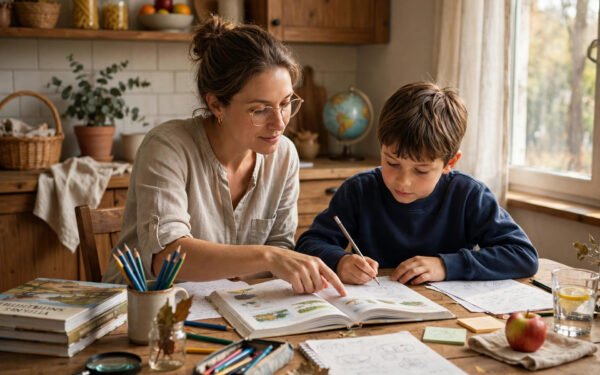
These are the phonics years — when children learn that letters represent sounds and sounds build words. Support (do not replace) school phonics: ask your child’s teacher which sounds they are learning and play with those at home. A basic understanding of the science of reading gives parents the background schools assume you have. Decodable readers: books using only taught sound patterns let beginners experience real reading success — ask the teacher or librarian for them. Shared reading: take turns — you read a page, they read a page. Never shame slow reading: effortful decoding is the work; praising persistence (“you sounded that out!”) beats praising speed. Keep reading aloud to them even after they can read independently — listening comprehension outpaces reading ability for years, so read-alouds build vocabulary and ideas beyond their decoding level.
Ages 9–12: Build Fluency and Love
The shift from learning to read to reading to learn happens here — and many kids stall. Protect independent reading time: 20–30 minutes daily of chosen reading. Choice is non-negotiable — comics, graphic novels, sports biographies, joke books all count. Reading volume predicts vocabulary growth more than reading “quality.” Series are magic: once hooked on characters, kids devour books voluntarily — feed the series addiction shamelessly. Model it: children who see parents reading read more. Your phone-scrolling is visible; so is your novel. Talk about books: “tell me about what you’re reading” beats any quiz — conversation builds comprehension. Audiobooks count: especially for reluctant readers, audiobooks build vocabulary, story sense, and the reading habit — pair with print for strugglers. For structured habit-building, our guide to building a reading habit when busy adapts well to family routines.
Helping Struggling Readers (Without Panic)
First, normalize variation: the normal range for reading milestones spans years, and late bloomers often catch up fully. But act early on red flags: family history of dyslexia, persistent letter reversals past age 7–8, inability to rhyme, extreme avoidance, or no progress despite consistent practice. Texas schools must evaluate for dyslexia on parent request — put the request in writing. Structured literacy programs (Orton-Gillingham-based approaches) have the strongest evidence for struggling readers; ask the school what intervention they use and whether it is evidence-based. Tutoring helps when it is systematic phonics-based instruction, not just homework help. And protect the child’s identity: a struggling reader who believes “I’m dumb” stops trying — separate the skill from the self relentlessly. Many successful adults, including Texas business leaders, describe childhood reading struggles they overcame.
The Screen Question
Screens are not the enemy; displacement is. An hour of educational programming does not harm readers — an hour that replaced reading does. Practical rules: co-view when possible (talking about shows builds the same language skills as book talk), choose quality (PBS Kids, library apps like Libby for ebooks), protect the reading time slot (screens do not get the 20 minutes before bed — books do), and use tech as a bridge: ebooks for reluctant readers, reading apps with decodable texts, and AI study tools for older students all have legitimate roles. The goal is a child who reads and uses screens well, not one who merely avoids screens.
Making It Stick: The Family Reading Culture
Tactics fade; culture persists. Build rituals: bedtime reading (non-negotiable through elementary school), library day (weekly or biweekly — let kids choose freely), book talk at dinner (everyone shares something they read), reading nooks (a special chair, good light — environment cues behavior), and book gifts (birthdays and holidays — books as treasured objects, not school supplies). For storytelling creativity, creating personalized storybooks can turn your child into the hero of their own reading material — reluctant readers rarely resist stories starring themselves.
Reading Milestones: What’s Normal When
Parents worry most when they do not know the normal range — which is wider than schools imply. By age 4: enjoys books, pretends to read, recognizes some letters, rhymes playfully. By age 5–6 (kindergarten): knows most letter sounds, begins blending simple words (c-a-t), reads a few sight words. By age 7 (1st–2nd grade): decodes unfamiliar one-syllable words, reads simple books independently, retells stories with key details. By age 8–9 (3rd grade): reads fluently enough that attention shifts to comprehension — the famous “reading to learn” transition; struggles here deserve prompt attention since gaps compound. By age 10+: reads chapter books independently, uses reading to learn new information, develops preferences and opinions about books. Remember: these are ranges, not deadlines — six months’ variation is normal, and boys often trail girls slightly in early literacy without long-term significance. What matters is steady progress along the trajectory, not hitting marks on a specific birthday. If progress stalls for months or your child is falling behind peers despite consistent effort, act — early help works dramatically better than late. Reading Rockets offers excellent milestone guides and activity libraries by age, and the Department of Education’s family literacy resources help parents support each stage with confidence.
Conclusion
Raising a strong reader is not complicated, but it is consistent: read aloud daily from infancy, talk richly, flood the house with books, support phonics in the early years, protect chosen independent reading later, act early on struggles without shaming, and model the habit yourself. No app, tutor, or curriculum replaces a home where reading is simply what the family does. Start tonight — fifteen minutes, one book, your lap. The compound interest on that investment pays for decades.
Frequently Asked Questions
How much should I read to my child each day?
Aim for at least 15–20 minutes of interactive read-aloud daily from infancy through elementary school. Consistency matters more than duration — daily short sessions beat occasional long ones.
At what age should my child be reading independently?
Most children begin decoding simple texts around ages 6–7, with wide normal variation. Fluent independent reading typically develops between ages 8–10. Focus on steady progress and love of books rather than specific deadlines.
Do graphic novels and comics count as real reading?
Absolutely. They build vocabulary, comprehension, visual literacy, and — critically — reading motivation. Many avid adult readers started with comics. Never disparage what a child chooses to read.
How do I help my reluctant reader?
Prioritize choice (let them pick anything), lower the stakes (audiobooks, comics, magazines all count), read together rather than assigning solo reading, connect books to their interests, and never use reading as punishment. Forcing it kills the motivation you are trying to build.