There’s a special thrill in finding an artist before everyone else — hearing the 2,000-monthly-listener band that, a year later, is headlining festivals while you nod knowingly. It’s not luck. The people who consistently discover artists early aren’t blessed with magic ears; they’re plugged into the right sources at the right stage of the pipeline.
Music discovery has a supply chain: artists emerge in local scenes, get picked up by blogs and curators, hit playlists, then break through. Discovering new indie artists before they blow up means positioning yourself early in that chain. Here’s the complete system — the sources, the signals, and the habits of professional early-adopters.
The Sources: How to Discover New Indie Artists Before They Blow Up
Bandcamp is ground zero. Its editorial (Bandcamp Daily), fan collections, and the ‘best-selling’ charts by genre and city surface artists months or years before the streaming algorithms notice. Follow the Bandcamp pages of labels you like — small labels are professional early-adopters, and their rosters are curated discovery feeds. The Bandcamp app’s listening parties and editorial playlists are the closest thing to a cheat code in music discovery.
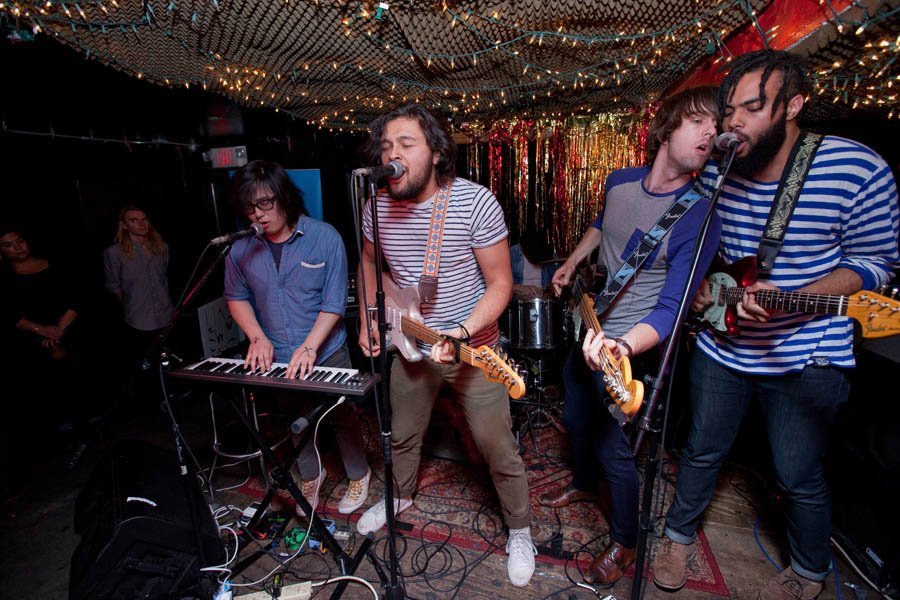
Local shows are the real-world equivalent: the opening band at a $15 show, the weekly residency at a small club, the DIY venue’s calendar. Scenes are geographical — every city has its pockets where the next wave rehearses. Go to shows early (the opener is often the discovery), talk to the door staff and bartenders (they see every band), and follow local promoters. The artists blow up; the venues and promoters were there first. Position yourself with them.
Curators, Playlists, and Signals
Find the human curators in your genres: the Substack writers, the YouTube channels (the ‘tiny desk’ style sessions, the genre-specific uploaders), the playlist makers with taste rather than followers. Spotify’s ‘Fresh Finds’ and its genre-specific editorial playlists catch artists earlier than the algorithmic mixes. SoundCloud — written off by many, still vital for electronic, hip-hop, and experimental — remains where producers post first. TikTok’s music discovery is real but late-stage; by the time a song trends there, the early window is closing.
Learn the signals: an artist with a tiny following but professional press photos and a PR email is about to be pushed. A band suddenly opening for bigger acts is being co-signed. Blog coverage clusters (three blogs in one week) mean a publicist just started working. Festival undercard placements — especially the ‘buzz band’ slots — are curated predictions of who’s next. None of these guarantee a blow-up, but they mark the artists the industry has decided to bet on. Your job is to listen before the bet pays off.
Reference: Bandcamp Daily.
Reference: NPR Music’s Tiny Desk.
Early-Discovery Toolkit
The complete system:
- Bandcamp Daily + label follows — the earliest professional-grade source.
- Local shows: arrive for the opener, follow promoters, befriend venue staff.
- Genre curators: Substacks, YouTube channels, and playlist makers with real taste.
- Spotify Fresh Finds and genre editorials — earlier than algorithmic mixes.
- SoundCloud for electronic, hip-hop, and experimental first-posts.
- Festival undercards — the ‘buzz band’ slots are curated predictions.
- Blog coverage clusters — three blogs in a week means a campaign just launched.
- College and community radio — DJs play what’s exciting, not what’s charting.
The Mindset (and the Payoff)
The early-adopter mindset has two parts: volume and generosity. Volume: listen widely and discard freely. You’ll sample a hundred artists to find ten you love and one you’ll follow for years — that’s the hit rate, and it’s fine. Make playlists of your finds; the act of curating sharpens your ear and gives the discoveries a home. Generosity: tell people. Send the link, bring the friend to the show, post the song. Discovery is a social act — the artists need it, and being the friend with great taste is its own reward.
And manage expectations honestly: most indie artists you discover won’t blow up, and that’s not failure. The goal was never investment returns — it’s the music. The band with 5,000 listeners that never gets bigger still gave you the songs, the shows, the feeling of being in on something real. The blow-up is a bonus, not the point. Though when it happens — when the club band you saw for $12 is suddenly on the festival main stage — the ‘I was there first’ feeling is genuinely delicious. Earn it: go to the shows, dig the crates, share the finds. The next wave is playing tonight, somewhere near you.
Quick Answers to Common Questions
How early is ‘early’ in discovering an artist?
The pipeline: local scene → blogs/curators → playlists → breakthrough. ‘Early’ means the first two stages — the Bandcamp release with hundreds of listeners, the opening slot at the small club, the blog feature before the playlist adds. By the time an artist hits major editorial playlists or TikTok trends, the early window is closing. Position yourself at the blog and local-show stage.
Do small artists want to be discovered?
Yes — desperately, with one caveat: they want genuine fans, not collectors. Buy the merch, come to the shows, tell friends — the support matters enormously at that stage (your $25 at the merch table is meaningful revenue for a small artist). Discovery without support is just trivia; discovery with support is patronage. Be the fan you’d want to have.
What if the artists I find never blow up?
That’s the normal outcome, and it’s not failure — the goal was never investment returns. The band with 5,000 listeners that stays there still gave you the songs, the shows, the feeling of being in on something real. Most discoveries won’t break through; the ones that do are bonuses. Love the music at the size it is, and the blow-ups become delightful surprises rather than the point.
More from Daily USA Post
- Keep reading: how do I plan a music festival trip on a budget
- Related: what are good substitutes for eggs in baking
- how can I use up leftover vegetables before they spoil, explained in detail
To discover new indie artists before they blow up, position yourself early in the discovery chain: Bandcamp’s editorial and labels, local shows (arrive for the opener), genre curators and college radio, Fresh Finds playlists, and festival undercards. Listen widely, curate your finds, and share generously. Most won’t blow up — and that’s fine, because the music was the point all along. But when one does, you’ll have been there first.