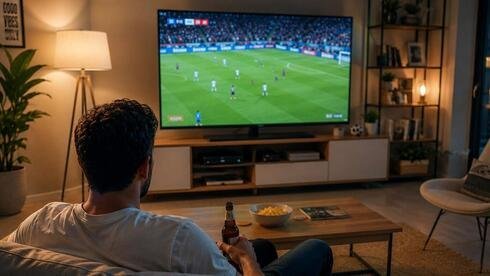
Cutting cable used to mean giving up live sports. That was the deal-breaker that kept millions paying $100+ a month — because nothing else showed the game live. That deal is dead. In 2026, you can watch nearly every live sport without cable, often for less money and with more flexibility than the old bundle ever offered.
But ‘without cable’ now means navigating a maze of streaming services, league passes, and blackout rules. The right setup depends entirely on which sports you actually watch. Here’s how to watch live sports without cable — the options, the costs, the blackout catches, and the cheapest setup for every type of fan.
The Big Picture: How to Watch Live Sports Without Cable in 2026
Live sports streaming now falls into four buckets. Live TV streamers (YouTube TV, Hulu + Live TV, Fubo, Sling) replicate the cable bundle over the internet — ESPN, FS1, regional sports networks, local channels — for $40 to $85 a month. They’re the simplest cable replacement: one subscription, everything in one app, cloud DVR included. If you watch a bit of everything, start here.
League passes (NFL Sunday Ticket, NBA League Pass, MLB.TV, NHL Center Ice) sell you every out-of-market game for one league — typically $100 to $400 per season. They’re perfect for the die-hard fan of one sport who doesn’t need the full bundle. Network apps and free services (Peacock, Paramount+, Amazon Prime Video, the Roku Channel) now carry significant live sports — Thursday Night Football, select MLB and soccer — some free, some bundled with subscriptions you may already have.
The Antenna: The Most Underrated Sports Tool
A $25 indoor antenna gets you every local broadcast channel in HD — free, forever, with no subscription. That means local NFL games on CBS and Fox, the World Series, the NBA Finals, the Super Bowl, the Olympics, and March Madness games on CBS. For a shocking number of fans, an antenna plus one streaming service covers nearly everything they watch.
Check your address on a signal-finder site before buying — distance from broadcast towers determines whether a cheap indoor antenna suffices or you need an attic/outdoor model. Pair the antenna with a networked tuner if you want DVR and whole-home streaming. The antenna is the closest thing to a cheat code in cord-cutting: major live sports, in full HD, for a one-time $25.
Reference: FCC guide to antennas and reception.
Reference: Cord-cutting sports coverage at TechHive.
Cheapest Setups by Fan Type
Match your setup to what you actually watch:
- NFL-only fan: antenna for local games + Amazon Prime for Thursday nights. Total: ~$15/month (Prime you may already have).
- NBA die-hard: NBA League Pass for out-of-market games + antenna for nationally televised games. Watch for blackouts on local games.
- MLB fan: MLB.TV single-team package is the best value in sports streaming — every game of your team, ~$130/season.
- Soccer fan: Peacock (Premier League), Paramount+ (Champions League), ESPN+ (assorted leagues) — pick your competitions.
- Everything fan: YouTube TV or Fubo for the full bundle experience, $65–$85/month. Still cheaper than cable was.
- Budget minimalist: antenna + free services (Roku Channel, Tubi, Pluto) + one league pass for your top sport.
- College sports fan: conference networks live on ESPN+ and the live TV streamers — check your team’s conference first.
Blackouts: The Catch You Must Understand
Blackout rules are the fine print that ruins people’s plans. League passes black out local games — MLB.TV won’t show your home team’s games in your home market, because regional networks own those rights. This surprises everyone once. Before buying any league pass, check its blackout map against your zip code, or you’ll pay $150 to watch every team except yours.
Workarounds exist but they’re imperfect: a VPN can relocate your apparent location (check the service’s terms), or the live TV streamer carrying your regional sports network covers local games at higher monthly cost. Also note that some services raise prices mid-season and that ‘free trials’ for sports services are increasingly rare during playoffs. Read the current terms, check the blackout map, and never assume — the sports streaming landscape shifts every single season.
Frequently Asked Questions
What’s the cheapest way to watch my local NFL team?
An antenna — free, in HD, for every local CBS and Fox broadcast, which covers most of your team’s games. Add Amazon Prime (which you may already have) for Thursday nights. That setup costs ~$15/month or less and covers the vast majority of an NFL season. Sunday Ticket is for out-of-market fans; locals rarely need it.
Do league passes have blackouts?
Yes — and it’s the catch that surprises everyone. League passes black out local games because regional networks own those rights; MLB.TV won’t show your home team in your home market, for example. Always check the blackout map against your zip code before buying, or you’ll pay $150 to watch every team except yours.
Can I share a sports streaming subscription?
Most live TV streamers allow 2–3 simultaneous streams, and many fans split the cost with family or friends — check the terms, but household sharing is generally permitted. League passes are typically single-household. Splitting a YouTube TV subscription two ways brings premium sports under $40/month each.
More from Daily USA Post
- Also see: how can I start a podcast with no expensive equipment
- Our complete guide: how can I make a grocery list that actually saves money
- what is the best flour for homemade pizza crust — what you need to know
To watch live sports without cable, combine an antenna (free local games in HD) with the right streaming layer: a live TV streamer for everything-fans, a league pass for single-sport die-hards, or network apps for casual viewing. Always check blackout rules before buying a league pass. Most fans can get 90% of their sports for half what cable cost — the antenna alone covers the Super Bowl, the World Series, and the Finals for a one-time $25.
Do the math this weekend: list the sports you actually watched last month, price the setup that covers them, and compare it to your old cable bill. Most fans find they’re paying for channels they never open. Cut to what you watch, keep the antenna for the big games, and pocket the difference.