
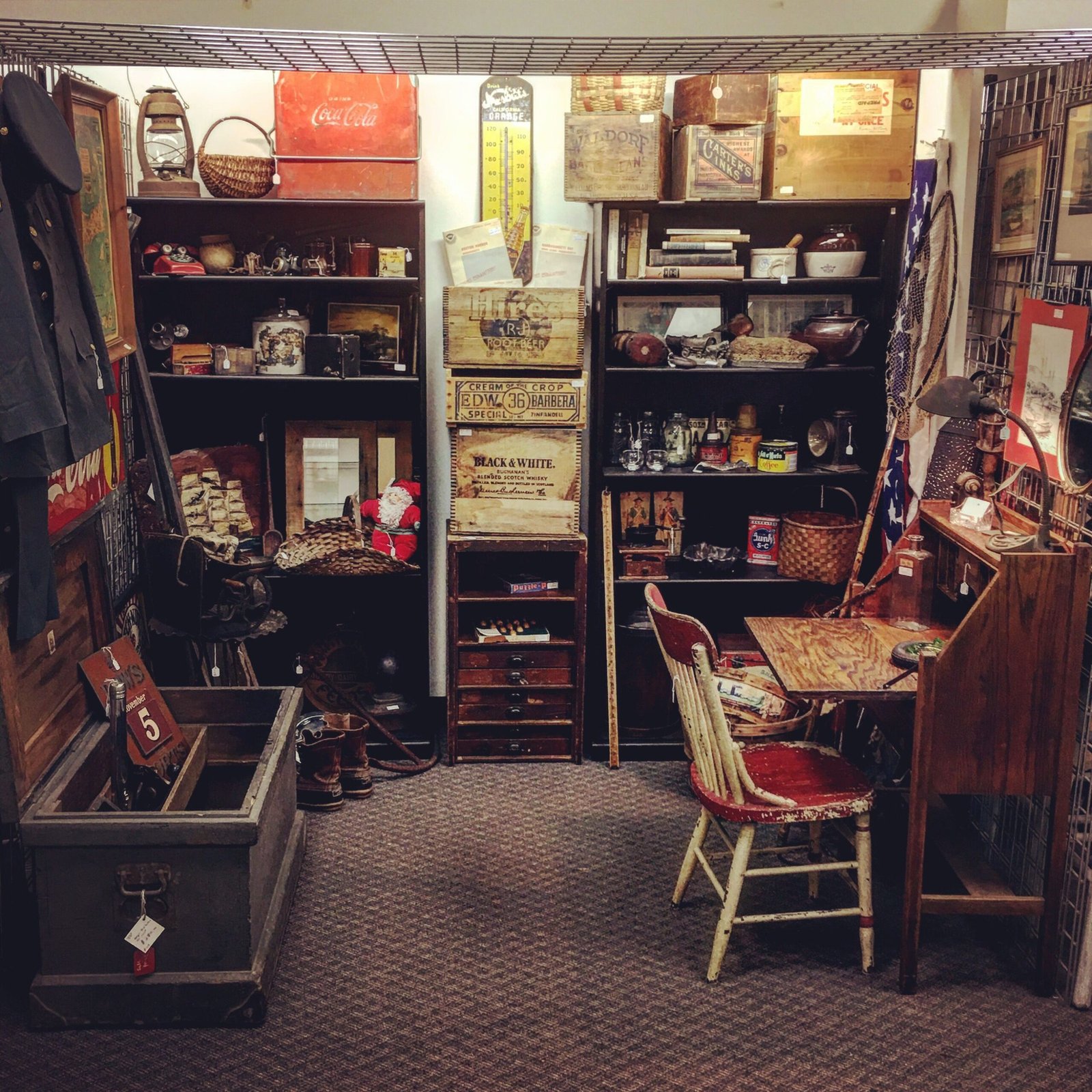
At an estate sale, a beginner reaches first for the shiny piece that looks perfect. No chips, no wear, colors bright as new. That reach is the most expensive lesson in antique collecting, because a piece that old should show its age in honest places, and a flawless look can mean a reproduction made last year. The first year of collecting is not really about filling shelves. It is about training your eye in phases, spending slowly while you learn, and refusing the buys that teach costly lessons. Work through the phases in order, and each one protects the next.
Phase 1, months 1 to 2: Learn the language and pick one lane
Start with the basic age terms, because sellers use them and the words carry price weight. An antique is generally at least 100 years old, a standard used by U.S. Customs among others. Items about 20 to 99 years old are usually called vintage. Newer pieces made to look old are reproductions, and they are worth a small fraction of a genuine piece, if anything at all. When a seller blurs those lines, your wallet is at risk.
Then pick one focus. Trying to collect antiques in general is the classic beginner trap. The field covers furniture, ceramics, glass, silver, textiles, books, coins, toys, advertising, and much more. One category or period keeps learning manageable. You study one set of makers, marks, and materials deeply instead of skimming everything. Your eye sharpens faster in one niche, and a focused group of objects also holds together better as a collection.
Good starter lanes are well documented and still affordable: Depression glass, cast-iron cookware, vintage advertising tins, postcards, old books, kitchenware, and mid-century barware. Pick the one you would enjoy hunting for even if prices never rose. Interest keeps you reading and looking, and reading and looking are the real skills.
Set a monthly budget in this phase and write it down. A sensible beginner range is $25 to $100 per month. Plenty of genuine small antiques sell for under $20, and many flea market finds cost $5 to $20. A small budget is not a weakness in year one. It limits the price of every early mistake.
Phase 2, months 2 to 4: Study before you spend serious money
Knowledge is the whole game. Spend this phase learning your chosen category from sources that show real pieces and real prices.
Read a price guide or a respected book for your niche and learn the maker marks, date clues, and period styles by heart. Visit museums and spend slow time with genuine objects. You cannot handle most museum pieces, but close looking trains your sense of weight, finish, and wear in a way photos cannot. Join online forums and collector groups for your category. Experienced collectors often enjoy teaching, and they warn about current fakes making the rounds.
Study sold prices, not asking prices. Auction results and sold listings online show what buyers actually paid. A seller can ask any number. A record of fifty completed sales shows the market. Start a simple notebook or phone note for your category: typical prices by condition, marks to look for, and red flags you have seen mentioned more than once.
Learn the five value factors that come up again and again: rarity, condition, age, quality of work, and provenance, meaning the documented history of the piece. Those factors trade against each other. A rare piece in poor condition often sells for less than a common piece in mint condition. That single fact will save you from many overpriced rare finds.
For broader context on how objects carry history, Smithsonian Magazine’s history and collecting coverage is a steady place to read about periods, makers, and why certain objects mattered in daily life. That background helps you judge whether a piece fits its claimed era.
Phase 3, months 4 to 6: Buy small, buy in person, check for fakes
Now start buying, but keep the stakes low. Early purchases are tuition. A $10 lesson stings less than a $200 one, and you will make a few wrong calls while your eye develops. Buy in person when you can, so you can hold the piece, turn it over, and inspect it in good light.
Run the same checks on every piece. Look at maker marks and signatures and compare them with the genuine marks you studied. Fakes often get a letter, a shape, or a placement slightly wrong. Look for signs of modern making: perfectly uniform molding, Phillips-head screws, modern barcodes, or a country-of-origin stamp that does not fit the claimed date. Check the wear. Real age shows in logical places, such as edges, handles, feet, and bases, where hands and surfaces actually touched the object. Wear that is spread evenly in odd places can mean someone distressed the piece on purpose.
Be most careful with the piece that looks too perfect. Honest patina looks earned. It builds unevenly over decades. A bright, even, brand-new surface on a supposedly century-old object deserves hard questions. Apply the simple rule that follows you for life as a collector: if a deal at a flea market seems too good to be true, it probably is. And buy the seller as much as the item. A dealer who guarantees authenticity in writing and answers questions plainly is worth more than a bargain from someone who shrugs.
Know the venues and their trade-offs. Estate sales often have the best prices, because families are clearing a home, but the good pieces go early, so arrive at the start. Flea markets are great for cheap learning and the fakes are common, so bring knowledge, not optimism. Antique shops charge more, yet dealers there usually stand behind authenticity and often teach beginners who show real interest. Regular customers may get a first look at new stock. Auctions give the clearest pricing, because you watch the market bid. Set a maximum bid before the sale starts and do not cross it in the heat of the room.
Phase 4, months 6 to 9: Document every piece from the day it arrives
From your first real purchase, keep a record for each object: what it is, where you bought it, the date, what you paid, and any history the seller gave you. A spreadsheet or a notebook works fine. Add a photo, front and back, and note marks, damage, and measurements.
This habit pays in three ways. It tracks your spending against that $25 to $100 monthly budget, so the hobby stays fun instead of quietly draining money. It builds the provenance file that supports value if you ever sell, trade, or insure the collection. And it becomes the story of the collection itself, which for most collectors ends up being the part they enjoy most.
Document your mistakes too. Write down what fooled you and what you missed. That honest record speeds up learning faster than any guide, because it is written in your own category, from your own buys. Collections built this way have a memory. Piles built without records are just objects.
If you enjoy this record-keeping side of collecting, the same habit of starting small and logging what you spend applies to other hobbies too, as shown in advice on how to start collecting vinyl records on a budget, where a focused start beats buying everything that catches your eye.
Phase 5, months 9 to 12: Refuse well, care gently, and decide what the collection is
By the last stretch of the first year, your refusals matter as much as your buys. Some things you must never buy at any price. Ivory, eagle feathers, and certain Native American artifacts are restricted under federal law regardless of age, and penalties are severe. If the legality of a piece is in doubt, walk away. No object is worth a federal charge.
Refuse other buys on discipline alone. Skip anything you cannot verify, anything a seller will not describe honestly in writing, and anything outside your focus bought on a sudden urge. Discipline is the line between a collector and an accumulator with a full garage.
Care for what you own with a light hand. The biggest care mistake is over-restoring. Refinishing old furniture, polishing away patina, or scrubbing a piece until it shines can destroy the very age and original finish buyers pay for. When in doubt, do not clean, strip, or repair it. Dust gently, keep pieces out of harsh sun and damp, and ask a specialist before any deeper work. A damaged rare piece is usually worth less than a clean common one, but an over-cleaned piece can lose value fastest of all.
End the year by reviewing the record. Add up what you spent. Count how many pieces you still love, how many you would pass on today, and which categories of knowledge grew most. Some early pieces will look naive. That is the point. They mark how far your eye has come for very little money. Texas estate sales, flea markets from Dallas to San Antonio, and small-town antique shops will keep offering chances every month. You do not need to chase them all.
A strong start looks modest from the outside: one clear focus, a small steady budget, a notebook full of marks and prices, and a shelf of pieces you can explain, date, and defend. Start with the $5 finds. Let knowledge build before spending does. A year from now, the collection will be real, and so will the eye that built it.

1 Comment