
How do I write an invoice that gets paid on time — it’s one of those questions that sounds simple until you actually need the answer. I’ve been down this road myself, and what I learned is that the real answer depends on a few details most people overlook. Let me walk you through what actually matters, what it typically costs or involves, and how to avoid the traps that catch everyone else.
The short version: there’s no single magic number or one-size-fits-all fix, but once you understand the moving pieces, the decision gets a lot easier. Below is everything I wish someone had told me upfront — the honest breakdown, the practical steps, and the mistakes worth dodging.
How do I Write an Invoice That Gets Paid on Time: What You Need to Know
Late payments aren’t just annoying — they’re an interest-free loan you never agreed to give. The difference between invoices paid in 12 days and invoices paid in 47 days usually isn’t the client; it’s the invoice itself and what happens after you send it. Here’s how to write invoices that get paid fast.
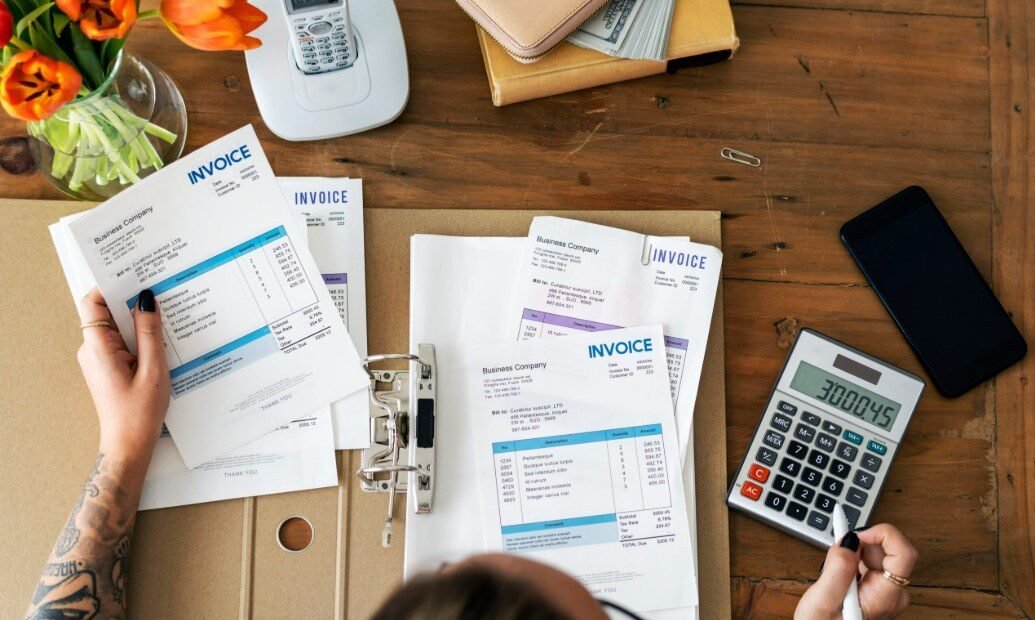
Anatomy of a fast-paying invoice: your business name, logo, and contact info at top (look professional — shabby invoices get deprioritized); a unique invoice number and clear dates (invoice date AND due date — never just one); an itemized breakdown of what you’re billing (vague ‘services rendered’ invites disputes; ‘Logo design — 3 concepts, 2 revision rounds’ doesn’t); the total prominently displayed; payment methods with exact instructions (not just ‘pay me’ — include the link, address, or account details); and payment terms stated explicitly (‘Net 15,’ ‘Due on receipt’). Every missing element is a reason to delay. If that sounds familiar, you may also want our guide to How Much Does it Cost to Replace a Phone Screen at a Repair Shop.
The Part Most People Miss
Terms are where most freelancers fail. ‘Net 30’ is standard but slow — consider Net 15 for new clients, or ‘Due on receipt’ for small amounts. State late fees upfront: ‘1.5% monthly late fee after due date’ is standard and legal in most states (check yours). Offer early-payment incentives: ‘2% discount if paid within 10 days’ accelerates cash dramatically — many clients’ AP departments are literally bonused on capturing discounts. And for projects: 50% deposit upfront, always — it filters non-serious clients and funds your work. You can also check the Consumer Financial Protection Bureau for the authoritative details.
Send it right: invoice immediately on completion, not Friday, not month-end — every day of delay is yours, not theirs. Send to the right person (ask ‘who handles payments?’ at project start — invoicing your contact instead of AP adds weeks). Use invoicing software (Wave free, FreshBooks, QuickBooks) that tracks views — knowing they opened it changes your follow-up. And make paying frictionless: online payment links get paid 2x faster than ‘mail a check’ invoices; eat the 3% processing fee as a cost of fast cash.
Your Action Plan
- Include: logo/contact, invoice # + invoice date + DUE date, itemized work, total, exact payment instructions, explicit terms.
- Terms: Net 15 for new clients; state 1.5%/mo late fees; offer 2% discount for payment within 10 days.
- Always: 50% deposit on projects; invoice immediately on completion; send to the AP contact.
- Make paying frictionless: online payment links get paid ~2x faster than mailed checks.
- Follow-up: due-date nudge → 7-day re-send → 14-day firm deadline → 30-day final notice.
- Chronic late-payers: shorten terms, require prepayment, or fire them; small claims court ($30–$75) for the stubborn.
The Details Most Guides Skip
The follow-up sequence that actually works: day of due date — friendly reminder (‘just a heads-up this is due today’); 7 days overdue — firmer, with the invoice re-attached (‘checking this didn’t get lost’); 14 days — direct: ‘I need payment by [date] to avoid late fees’; 30 days — final notice mentioning collections or pausing work. Polite, escalating, documented. Most late invoices pay at step 2 — the ones that don’t were never going to pay without pressure.
For chronic late-payers: shorten their terms (Net 30 → Net 15 → prepayment), require deposits, or fire them — a client who pays in 90 days costs you more in cash-flow stress and follow-up labor than their revenue justifies. And know your escalation path: small claims court ($30–$75 filing fee, no lawyer needed, handles up to $5,000–$10,000 by state) collects debts that reminders can’t. Mentioning it once, factually, resolves most stubborn cases. Related: our breakdown of Why is my Phone Battery Draining so Fast Overnight covers the numbers in detail.
Prevention beats collection: get payment terms in writing before work starts (in the contract, not just the invoice), verify new clients’ payment reputation (ask for references for big projects), and consider requiring autopay or retainers for ongoing work. The best invoice is one sent to a client whose payment behavior you vetted upfront.
Common Mistakes to Avoid
- Vague line items (‘services rendered’) that invite disputes and delays.
- Invoicing your day-to-day contact instead of the accounts-payable person — adds weeks.
- No late-fee clause, removing your only leverage beyond asking nicely.
- Doing the work before agreeing payment terms in writing — the contract is where payment speed is won.
Questions People Ask
What’s the standard payment term?
Net 30 is traditional; Net 15 is increasingly common for freelancers. ‘Due on receipt’ works for small amounts. Match terms to client size — big companies need Net 30 for their processes.
Should I charge late fees?
Yes — state them upfront (1.5%/month is standard). You’ll rarely need to enforce them; their existence accelerates payment. Check your state’s limits.
How do I handle a client who never pays?
Escalate: firm final notice → pause all work → collections agency (25–40% cut) or small claims court. Then never work with them again and warn your network.
The Bottom Line
Fast-paying invoices are itemized, show a clear due date, state terms and late fees, include frictionless payment links, and go to the right person immediately. Back them with deposits, early-pay discounts, and an escalating follow-up sequence — and vet payment behavior before the work starts.
If that sounds familiar, you may also want our guide to Is it Better to Buy a Refurbished Laptop or a Cheap New One.
The takeaway is simple — know your options before you’re forced to pick one under pressure. Bookmark this guide, follow the action plan, and you’ll handle it like a pro.



