The fastest way to build wealth in real estate is not flipping houses on TV — it is living in your investment. House hacking means buying a small multi-unit property (or a single-family home with rentable space), living in one part, and letting tenants cover most or all of your mortgage. In Texas, where property taxes are high but home prices in many metros remain accessible and landlord laws favor owners, house hacking is one of the most powerful wealth-building strategies available to beginners. Here is exactly how it works and how to start.
What House Hacking Actually Looks Like
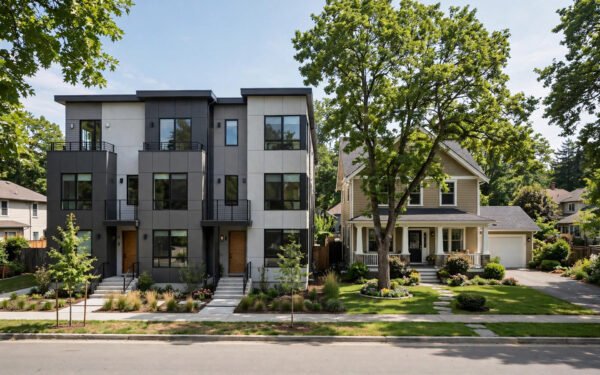
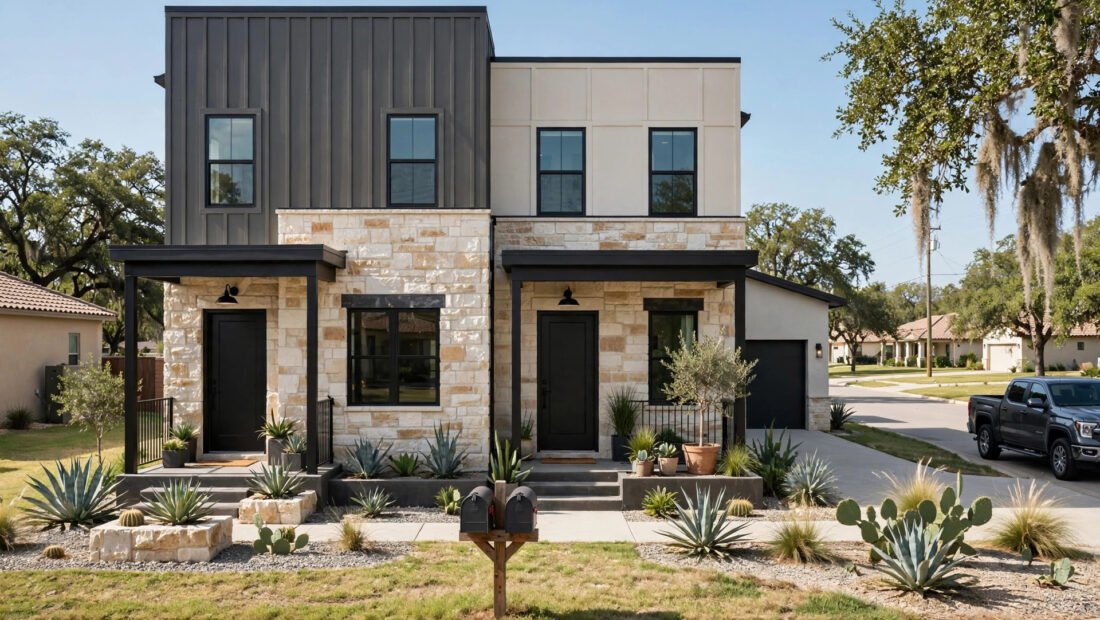
The classic versions: duplex/triplex/fourplex: buy a 2–4 unit building with an FHA loan (3.5% down), live in one unit, rent the others. The rents often cover the entire mortgage — you live for free while building equity. Single-family with rentable space: buy a house, rent out spare bedrooms to roommates, or convert a garage apartment/ADU. Lower returns than multifamily but simpler to finance and manage. Live-in flip: buy a fixer, live in it while renovating over 1–2 years, then sell or rent it — the owner-occupant capital-gains exclusion ($250,000/$500,000 tax-free after two years of residence) makes this remarkably tax-efficient. Short-term rental hybrid: rent a spare room or ADU on Airbnb/VRBO for higher per-night income (check local Texas regulations — some cities restrict STRs).
The math that makes it work: a $350,000 duplex in San Antonio with 3.5% down (~$12,250) at current rates might carry a ~$2,600/month all-in payment; if the other unit rents for $1,600 and you rent one bedroom of your unit for $700, your net housing cost drops to $300/month — while you build equity, capture appreciation, and earn landlord tax benefits. Compare that to renting a $1,600 apartment and building zero equity.
Why Texas Is Prime House-Hacking Territory
Several Texas factors align: accessible multifamily inventory — duplexes and fourplexes are common in Houston, San Antonio, El Paso, and Fort Worth at prices cash-flowable on FHA terms; strong rental demand from population growth; landlord-friendly laws — Texas eviction processes are faster and less tenant-favoring than coastal states, reducing landlord risk; no state income tax — rental income stretches further; and FHA loan limits accommodating 2–4 unit purchases (higher limits apply to multifamily). The caveat: property taxes — Texas’s 1.6–2.2% effective rates are among the nation’s highest, so underwrite deals with real tax numbers, not national averages. Always verify current figures through HUD’s resources and local county appraisal districts.
Financing: How Beginners Actually Buy
FHA loans (3.5% down): the house-hacker’s best friend — available for 1–4 unit properties when you occupy one unit for at least a year. On a $400,000 fourplex, that is $14,000 down versus $100,000 for an investor loan. Conventional 5% down: possible for 2-unit properties; slightly better rates than FHA without permanent mortgage insurance. VA loans (0% down): eligible Texas veterans can house-hack with nothing down — an extraordinary benefit. House-hacking with roommates: conventional low-down-payment loans on single-family homes. Key underwriting note: lenders count a portion of projected rental income toward your qualification (typically 75% of market rents via appraisal) — which is how beginners qualify for properties their salaries alone would not support. Get pre-approved with a lender experienced in 2–4 unit FHA deals; many loan officers rarely handle them. For budgeting the purchase, our guide to building a working family budget helps you stress-test the numbers.
Finding and Analyzing Deals
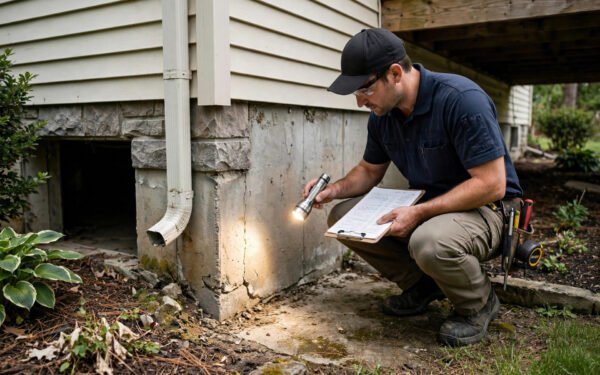
House-hack deals hide in plain sight: MLS searches filtered for 2–4 units in your target neighborhoods; driving for dollars — spotting neglected duplexes and contacting owners; wholesalers and investor meetups (Texas REIA groups meet monthly in every major metro); and house-hack-friendly agents — interview agents specifically about investment experience; most residential agents have never analyzed a duplex. Analyze with the 50% rule (roughly half of gross rents go to non-mortgage expenses: taxes, insurance, maintenance, vacancies, management) and target properties where your out-of-pocket housing cost beats renting — the first deal does not need to cash-flow strongly; living nearly free while building equity is the win. Walk every property with a contractor-minded eye: roofs, foundations, HVAC, and plumbing are the big-ticket items that kill deals.
The Landlord Reality (Go In With Eyes Open)
House hacking makes you a landlord — tenants 20 feet away, not across town. Success requires: rigorous tenant screening (credit, income verification at 3x rent, rental history, background checks — Texas law permits all of these); a real lease (Texas Association of Realtors or attorney-drafted — never handshake deals); maintenance reserves (budget 1–2% of property value annually; things break); boundaries (you are their landlord first, neighbor second — friendly but professional); and knowledge of Texas property code (security deposits, notice requirements, eviction procedures — the Texas Tenant Advisor resources and NAR’s landlord guidance are worth studying). Many beginners self-manage the first property (living on-site makes it feasible) and hire management when scaling. Understanding lease structures generally helps — our explainer on negotiating rental terms covers transferable principles.
Tax Benefits Beginners Underestimate
Rental real estate offers tax advantages W-2 income never will: depreciation — deducting a portion of the building’s value annually against rental income (a paper loss reducing real taxes); expense deductions — mortgage interest, taxes, insurance, repairs, and mileage on the rental portion; owner-occupant capital-gains exclusion on eventual sale; and 1031 exchanges for scaling into larger properties tax-deferred. Consult a CPA experienced with real estate before buying — entity structure (LLC vs. personal name affects FHA eligibility) and cost-segregation strategies are decisions best made upfront. And if self-employment enters the picture as you scale, our guide to 1099 vs. W-2 tax differences becomes relevant.
Scaling Beyond the First Property
The first house hack teaches you landlording with training wheels — living on-site while learning tenant screening, maintenance, and bookkeeping. After a year (satisfying the FHA owner-occupancy requirement), the classic move is repeat: buy the next 2–4 unit property with another low-down-payment owner-occupant loan, move in, rent the previous unit. Each iteration adds cash-flowing doors while your housing cost stays near zero. After 2–3 iterations, many house hackers transition to conventional investor financing (20–25% down) for pure rentals, using the equity and income history built from earlier properties. The long game: a small portfolio of cash-flowing properties funding financial independence — the “live free, then get paid” trajectory that makes house hacking the highest-leverage starting strategy in real estate. Just remember the Texas constants at every scale: underwrite with real property-tax numbers, keep six months of reserves per property, and never buy a deal that only works if everything goes right.
Conclusion
House hacking compresses the two biggest wealth-building moves — owning real estate and eliminating housing costs — into one strategy accessible on an FHA down payment. In landlord-friendly, growth-heavy Texas, the conditions are unusually favorable. Start by getting pre-approved with a 2–4-unit-experienced lender, learn to analyze deals conservatively (real Texas property taxes included), buy something livable in a rentable area, screen tenants rigorously, and keep reserves. Live nearly free for a few years, then repeat — that is how portfolios are born.
Frequently Asked Questions
How much money do I need to start house hacking?
With an FHA loan (3.5% down), a $300,000–$400,000 duplex requires roughly $10,500–$14,000 down plus closing costs and reserves — often $20,000–$30,000 total. VA-eligible buyers can start with $0 down.
Can you house hack with an FHA loan?
Yes — FHA loans are ideal for house hacking 1–4 unit properties, requiring only 3.5% down when you occupy one unit as your primary residence for at least one year. This is the most common beginner house-hacking financing.
Is house hacking worth it in Texas?
Often yes — Texas combines accessible multifamily prices in many metros, strong rental demand, landlord-friendly laws, and no state income tax. The main drag is high property taxes, which must be factored into deal analysis.
What are the risks of house hacking?
Vacancies (your safety net disappears), major repairs (roof, foundation, HVAC), difficult tenants living next door, overpaying for the property, and underestimating Texas property taxes. Mitigate with conservative underwriting, reserves, rigorous screening, and professional leases.