It starts innocently enough. A few stray hairs, a quiet bathroom, ten spare minutes. Then the mirror, the bright light, and the leaning in — and by the time the tweezers finally stop, two full, ordinary eyebrows have become two thin, surprised lines that sit higher and shorter than they used to. What follows is almost worse than the plucking itself: weeks of drawing the missing brows back on every morning, checking them in every mirror, and wondering whether the real ones are ever coming back.
The good news is that they usually do. Brow hair is slow, not gone. The weeks ahead run in fairly predictable phases, and each phase asks for something different — restraint at first, camouflage in the middle, and patience all the way through.
Phase One, Days One to Three: Stop Everything
The first job is not fixing the brows. It is stopping the damage from getting worse. The most common second mistake happens within days of the first: noticing the two brows do not match and plucking the fuller one down to meet the thinner one. That is how thin becomes thinner. Asymmetry during regrowth is temporary. Hair removed to chase symmetry is cumulative, and every extra hair taken out resets its own clock.
So the tweezers leave the bathroom. Put them in a kitchen drawer, anywhere that adds a few steps between an impulse and an action. Brow hairs grow in cycles, and a plucked hair typically takes four to eight weeks to return. Repeated plucking in the same spot over years can damage the follicle itself, which is the point where regrowth may stop being a matter of time. One bad session rarely does that. A habit of correcting it can.
Take one clear photo in plain daylight before doing anything else. It feels like documenting a crime scene, but in six weeks that photo becomes proof of progress on the days the mirror insists nothing has changed. It also helps a brow professional later, because it shows what was removed rather than what happens to be visible that day.
Phase Two, Week One: Build the Camouflage
Nobody has to spend the next two months avoiding people. Drawn-on brows, done with a light hand, read as perfectly normal at a normal distance. The trick is matching the product to how much hair is left.
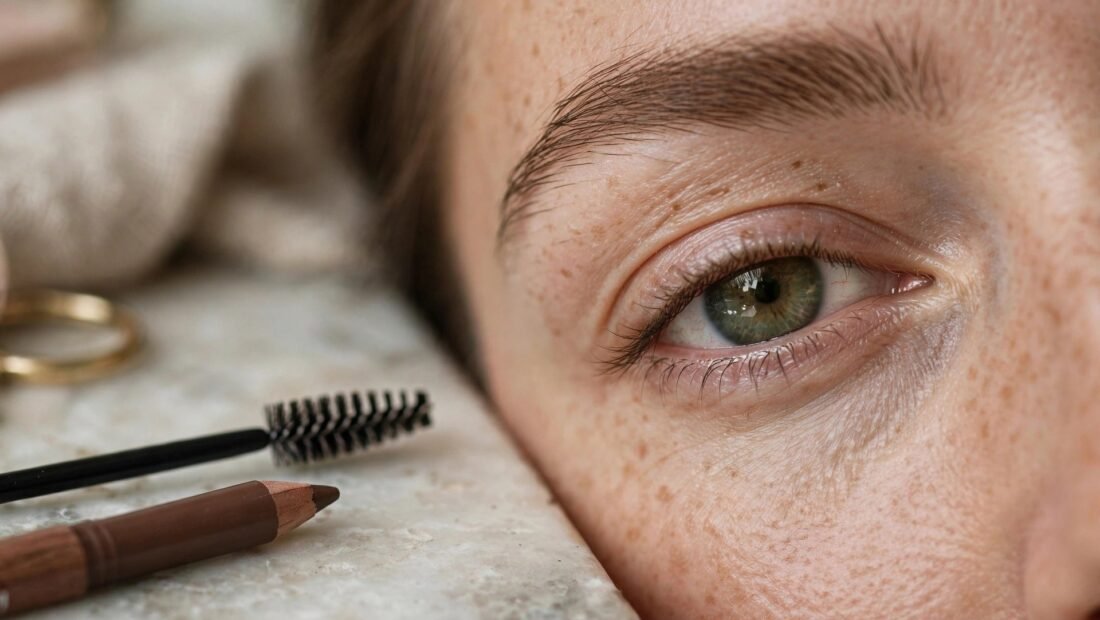
A brow pencil is the workhorse for defined gaps and missing tails. Choose a shade that matches the brow hair itself, not the hair on the head, and go no darker than that hair. Dark product on a sparse brow reads harsh and obvious. Use short strokes in the direction the hair would grow, pressing lightly, and build the shape in two passes: a soft outline of the brow that should be there, then feathery strokes inside it. A solid block of color is what gives drawn brows away.
Powder with an angled brush suits larger thin areas better than pencil. Powder mimics the soft density of real hair rather than drawing lines, and it is forgiving when a hand slips. Tinted brow gel works when the over-plucking is mild and some hair remains for its fibers to cling to — it thickens what is there instead of inventing what is not. A thin line of concealer blended under the brow bone sharpens the lower edge and makes the whole thing look deliberate.
Color matching deserves care. Brows that look fine indoors can turn orange or grey in Texas daylight if the undertone is wrong. Ashy, cooler browns suit cool undertones; warmer browns suit warm ones. Test a new product in daylight before trusting it, and when two shades seem plausible, pick the lighter one.
Phase Three, Weeks Two to Four: The Nothing-Happens Weeks
This is the hardest stretch, because nothing visible happens. Brows grow at roughly 0.14 millimeters a day, which means the first two or three weeks produce regrowth that exists but cannot really be seen. Most people conclude around day eighteen that their brows are gone for good. They are not. They are just underground.
The rule for this phase is complete non-interference: no plucking, no waxing, no threading, for six to eight weeks at minimum. That includes the strays growing well outside any reasonable brow shape. Every hair gets to stay, because the final shaping decision needs the full inventory in view. Removing the odd-looking ones early is how brows end up permanently narrower than they needed to be.
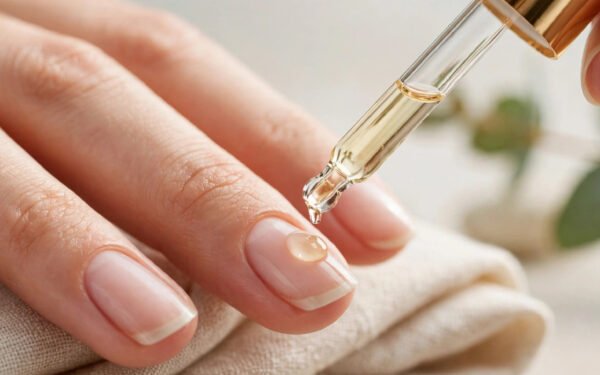
What can be done is conditioning. A brow serum with peptides, or plain castor oil, applied nightly keeps the existing hairs from snapping and keeps the skin supple. Be honest about the evidence here: castor oil’s reputation rests on anecdote, and its real benefit is conditioning, not magic. Avoid lash-growth serums containing prostaglandin analogues around the eyes unless a doctor has prescribed them, since they can irritate skin and change pigmentation. That caution appears in Allure’s eyebrow shaping and regrowth guides as well, and it is worth taking seriously.
Gentle exfoliation two or three times a week helps too. A soft brush or mild exfoliant over the brow area clears dead skin that can trap a fine new hair under the surface. Brow-area ingrown hairs are small, sore, and entirely avoidable with this one habit.
Phase Four, Weeks Four to Six: The Awkward Sprouting
Somewhere in this window, the first real hairs appear — and they arrive out of order. One brow fills at the front while the other sprouts at the tail. Short dark stubs sit next to bare patches. This patchwork stage looks worse than the clean thin line did, which tempts people back to the tweezers at exactly the wrong moment.
Camouflage shifts strategy here. Pencil alone can look drawn over stubbly patches, so layer: powder first to soften the gaps, then a few pencil strokes only where skin still shows through, then tinted gel brushed through everything to blend old hair, new hair, and product into one texture. Keep the front of the brow lighter than the tail. Real brows are naturally softer at the inner corner, and copying that gradient is the difference between camouflage and a stencil.
Texas heat adds a practical problem in these weeks. Sweat and sunscreen make brow products migrate, especially on foreheads that spend time outdoors. Waterproof formulas earn their keep from late spring onward, and setting the finished brow with a clear or tinted gel keeps the morning’s work in place through the afternoon.
Phase Five, Weeks Six to Eight: A Shape Starts to Exist
By now most of the returning hairs are visible, and the brow’s true new shape can finally be judged. Substantial regrowth is usually in place, even if full restoration still needs more time — most people see the complete picture somewhere between two and three months.
This is the right moment for professional help, and not before. A proper shaping appointment at week six or later is a consultation, not just a wax. A good brow artist maps the ideal shape against the actual growth pattern, removes only what falls clearly outside it, and can say honestly which gaps are still filling in and which may be permanent. Booking that appointment at week two wastes it, because nobody can shape hair that has not grown yet.
Brow tinting is the underused rescue of this phase. Tint darkens the fine, pale vellus hairs that grow around every brow — hairs that are present but nearly invisible. Darkening them adds visible fullness without a single drawn line, and the effect lasts three to four weeks. For brows that are technically back but still look sparse, tinting often closes the gap between reality and the mirror’s opinion.
Phase Six, Months Two to Three: Decide What Is Permanent
Once a full growth cycle has passed with zero plucking, whatever has returned is the real baseline. For most people that baseline is close to the original brow, and the disaster becomes a story. If a patch has stayed bare through all of it, that is when longer-term options belong on the table — the same patience applies to other beauty decisions made under pressure, as anyone weighing lash lifts versus lash extensions compared side by side will recognize.
Microblading is the big one: semi-permanent tattooing in fine hair-like strokes, running about $300 to $600 in Texas and lasting one to three years. It suits genuinely permanent sparse areas well. It is a poor answer to a fresh over-plucking, because strokes tattooed to fill a gap that later fills itself in with real hair leave the brow crowded and off-shape. Decide with the full picture visible, check the artist’s healed work rather than fresh photos, and treat a consultation offered in the first panicked week as a sales pitch, not advice.
One situation overrides all of this patience. If brows show no regrowth after three or more months of no plucking, or if hair loss spreads beyond the plucked areas, see a dermatologist. Patchy brow loss can point to alopecia areata, thyroid problems, or nutritional deficiencies, and those need bloodwork and an examination, not better pencil technique. Nutrition supports the normal case, too: growth slows when iron, protein, or biotin run low, so a balanced diet quietly matters during these months.
After the Timeline: Keeping It From Happening Again
The maintenance habits that prevent a repeat are boring, which is why they work. Pluck after a warm shower, when hairs release more easily and break less. Work in natural daylight, because bathroom lighting flatters and lies. Step back from the magnifying mirror often — it displays hairs that nobody at conversation distance can see, and chasing those is how over-plucking starts.
Map before removing anything. Brush the brows up, then mark three guide points: the start, in line with the side of the nose; the arch, on the diagonal past the outer edge of the iris; and the end, on the line from the nose corner to the outer corner of the eye. Only hairs clearly outside that map are candidates, and any hair whose status is doubtful stays. One extra hair is invisible. One missing chunk is a six-week project.
Finally, keep a simple rhythm: never pluck two weeks running. Alternate a light tidy week with a hands-off week, and the slow cumulative thinning that sneaks up over a season never gets started.