
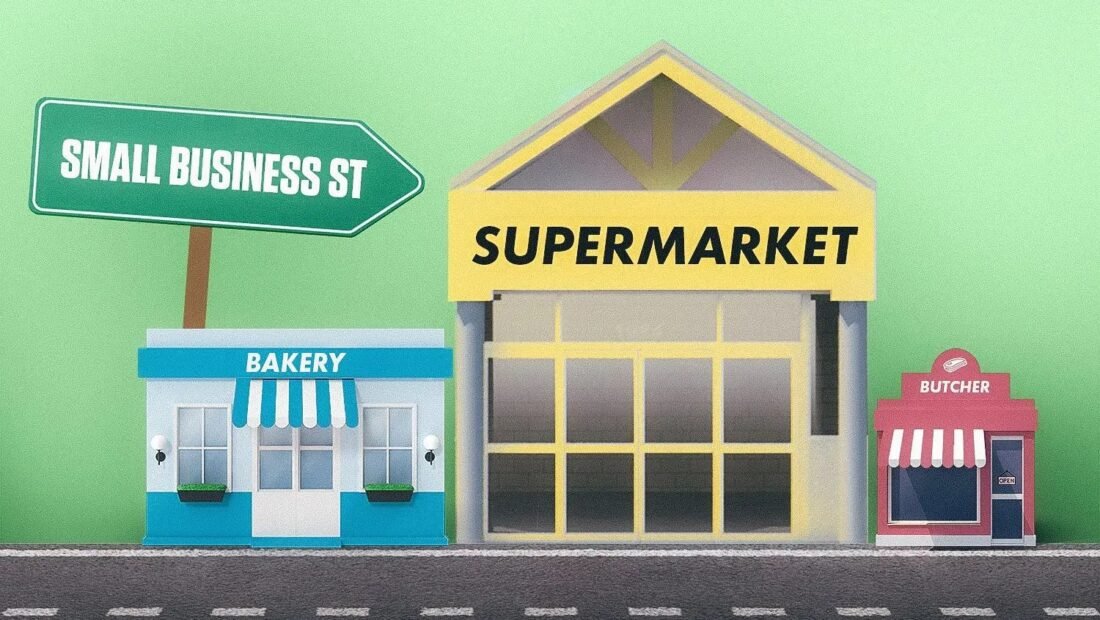
Here’s the thing about how can a small business compete with big retailers on price — the internet is full of answers, but half of them contradict each other and the other half are ads in disguise. I dug through the noise so you don’t have to, and pulled together what actually holds up: real expectations, realistic costs and timelines, and advice that works in the real world.
By the end of this guide you’ll know exactly what you’re dealing with, what your options are, and which one makes sense for your situation. Let’s get into it.
How Can a Small Business Compete With Big Retailers on Price: What You Need to Know
Let’s get the hard truth out first: you cannot beat Amazon or Walmart on price, and trying will kill your business. They buy at volumes you can’t touch, run on margins you can’t survive, and will happily lose money until you close. The small businesses that thrive don’t compete on price at all — they make price irrelevant. Here’s how.
Strategy one: compete on expertise, not price. The local bike shop doesn’t sell bikes — it sells the right bike, fitted, tuned, with a mechanic who knows your name. Big retailers sell commodities; you sell confidence. Invest visibly in knowledge: staff training, detailed buying guides, honest advice that sometimes talks customers OUT of the expensive option. That honesty creates customers for life — and they’re happy to pay 10–15% more to the expert they trust. Related: our breakdown of How do I Write an Invoice That Gets Paid on Time covers the numbers in detail.
What Actually Affects the Outcome
Strategy two: curate ruthlessly. Big retailers offer 10,000 options and decision paralysis; you offer 50 perfect ones. ‘We tried them all and stock only the three worth buying’ is an incredibly powerful pitch — it saves customers the research Amazon forces on them. Curation IS the product for busy people, and it’s something algorithms can’t replicate with soul. For the official guidance, see the U.S. Small Business Administration.
Strategy three: bundle and add services. Can’t match the $40 price on the gadget? Sell it at $49 installed, configured, with a 30-day support promise. The product becomes the entry point; the service is the margin. Geek Squad proved people pay for setup; your version is personal and local. Warranties, lessons, maintenance plans, gift wrapping, delivery — every service widens the gap price can’t cross.
What to Do About It
- Don’t compete on price — make it irrelevant through value.
- Expertise: sell confidence and advice; honest guidance earns 10–15% premiums.
- Curation: 50 perfect options beat 10,000 paralyzing ones — curation IS the product.
- Bundles + services: install, configure, support, warranties — margin lives in services.
- Experience: make visits outings (events, workshops, atmosphere), not errands.
- Hyper-niche: serve passionate communities big retailers can’t profitably touch.
- Speed (‘need it today’), subscriptions, and your local story complete the arsenal.
Here’s What Really Matters
Strategy four: own the experience. Beautiful store, great coffee while they browse, kids’ corner, events, workshops — the trip to your store should feel like an outing, not an errand. People pay premiums for experiences; they price-shop commodities. The bookstore with author nights and the hardware store with Saturday clinics aren’t selling books and hammers — they’re selling belonging.
Strategy five: go hyper-niche. Big retailers need mass markets; you can profitably serve 500 passionate people they ignore. The fly-fishing shop, the yarn store for serious knitters, the game shop running Friday tournaments — niches create communities, communities create loyalty, and loyal niches pay full price happily. Broad enough to survive, narrow enough to dominate. Related: our breakdown of Why Does my Wifi Keep Disconnecting on my Laptop covers the numbers in detail.
Strategies six through eight, fast: leverage speed and convenience (same-day, in-stock now, no shipping wait — ‘need it today’ beats ‘cheapest in 2 days’ constantly); build subscription/membership models (the coffee shop’s monthly mug club, the bookstore’s subscription box — recurring revenue big retailers can’t personalize); and weaponize your story (local, family-owned, sustainable — values-driven buyers actively choose you, and they tell friends).
Mistakes That Cost People Money
- Matching Amazon’s price and destroying your margin — a race you mathematically cannot win.
- Apologizing for higher prices instead of explaining the value behind them.
- Trying to stock everything (and doing it badly) instead of curating deeply.
- Competing as a worse Amazon instead of a better local business — different game entirely.
Questions People Ask
Should I ever discount to match big retailers?
Tactically, on select traffic-drivers, occasionally — but as a strategy, no. Permanent price-matching trains customers to value only price, where you always lose.
What if customers showroom (browse here, buy on Amazon)?
Convert them with immediacy (‘take it home today’), bundling, and expertise they can’t get online. Some loss is inevitable — focus on the customers who value what you offer.
Does this work for online small businesses too?
Yes — niche down harder, out-serve with personal touches (handwritten notes, fast personal support), and own a community. Small online sellers win on specialization and soul.
How do I keep business and personal finances separate?
Open a dedicated business checking account on day one — it’s free at most online banks — and run ALL business income and expenses through it. Pay yourself with regular transfers to your personal account instead of spending directly. This separation makes taxes dramatically easier, looks professional to clients, and is legally essential if you formed an LLC and want its liability protection to hold up.
When should a small business hire an accountant?
Get a one-time consultation ($200–$400) when you start earning real revenue, to set up your tax structure and estimated payments correctly. Hire ongoing help when tax season takes you more than a weekend, when you hire employees, or when revenue passes ~$75,000–$100,000. A good accountant typically saves more than they cost through deductions and penalty avoidance you wouldn’t find alone.
The Bottom Line
Stop trying to win on price — you can’t, and the attempt is fatal. Win on expertise, curation, services, experience, niche community, speed, and story. Explain your prices through total value, never apologize for them, and let Amazon have the price-shoppers while you keep the value-buyers.
For more on this topic, see How Much Does it Cost to Replace a Macbook Battery — it pairs well with what you just read.
The takeaway is simple — know your options before you’re forced to pick one under pressure. Bookmark this guide, follow the action plan, and you’ll handle it like a pro.



