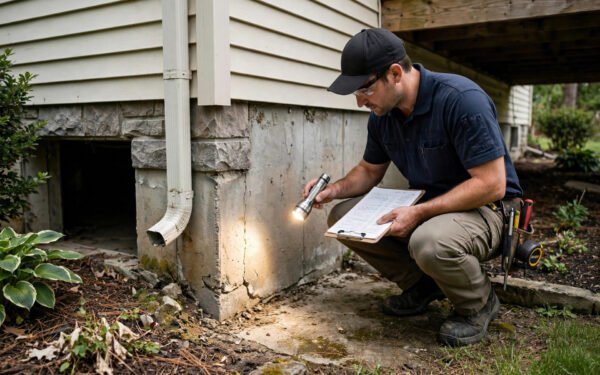
Every Texas homeowner eventually faces it: the roof that needs replacing, the bathroom begging for renovation, the foundation showing its age. And every Texas homeowner has heard the horror stories — the contractor who took a 50% deposit and vanished, the “three-week” remodel stretching into month five, the shoddy work discovered after final payment. Finding a trustworthy contractor is not luck; it is a vetting process. Here is the complete system.
Where to Find Candidates (and Where Not To)
Best sources: referrals from friends, neighbors, and coworkers who had similar work done recently (a kitchen-remodel referral means little for foundation work); your real-estate agent’s vendor list (agents stake their reputation on referrals); local building-supply stores (counter staff know who buys quality materials and pays bills); and trade associations (local homebuilder associations, NARI chapters). Decent with vetting: Angi, Thumbtack, and Google reviews — useful for building a candidate list, never for final selection. Avoid: door-knockers after hailstorms (Texas’s storm-chaser scam industry is enormous — out-of-state crews descend after every hail event, do shoddy work, and vanish); anyone demanding full payment upfront; and the suspiciously cheap bid (more below).
The Vetting Checklist (Non-Negotiable)
Texas does not license general contractors at the state level (only specific trades: electricians, plumbers, HVAC, well drillers) — which makes your vetting more important, not less. Verify every candidate on:
1. Insurance: general liability and workers’ comp certificates — call the insurer to verify current coverage, not just glance at a paper copy. An uninsured worker injured on your property can become your liability nightmare.
2. References: 3–5 recent ones, and call them all. Ask: Did they finish on schedule? On budget? How did they handle problems? Would you hire them again? Then ask for one reference from 2+ years ago — how does the work hold up?
3. Portfolio and site visit: photos of similar completed work; ideally, visit a current job site — cleanliness and organization predict your experience.
4. Online reputation: BBB profile, Google reviews (read the bad ones and the company’s responses), and court records for liens or lawsuits. A pattern of complaints about the same issue is disqualifying.
5. Longevity: how long in business under this name? (Name-changers are hiding something.) A contractor with 10+ years and a local address is invested in reputation; a 6-month-old LLC with a PO box is not.
6. Trade licenses: for electrical, plumbing, and HVAC work, verify the individual’s Texas license through the state’s online lookup — unlicensed trade work voids insurance and fails inspections.
Getting Bids: The Three-Bid Rule Done Right
Get three detailed written bids — and make them comparable by giving every bidder the same scope of work in writing. Vague scopes produce vague bids you cannot compare. Each bid should itemize: labor and materials separately, specific material brands/grades, start and completion dates, payment schedule, and warranty terms. Throw out outliers: the bid 40% below the others is not a bargain — it is a contractor who will cut corners, hit you with change orders, or abandon the job. The bid 40% above needs justification (premium materials? faster timeline?). Choose from the clustered middle on reputation and fit, not just price. And never select on price alone — the cheapest contractor is the most expensive lesson in homeownership. For smaller DIY-adjacent decisions, our guides to resealing a driveway yourself and fixing peeling exterior paint help you decide what truly needs a pro.
The Contract: Your Only Real Protection
Never proceed on a handshake — Texas’s lack of GC licensing means the contract is your regulation. It must specify: exact scope (materials, brands, quantities — “paint the house” is not a scope; “two coats Sherwin-Williams Duration, colors X/Y, including trim and soffits” is); total price and payment schedule tied to milestones (typical: 10–30% deposit, progress payments at defined completions, 10%+ holdback until final walkthrough); timeline with start/end dates and delay provisions; change-order procedure (all changes in writing, priced before work — verbal “while we’re at it” changes are where budgets die); warranty (minimum 1-year workmanship warranty in writing); cleanup and protection (who protects floors, hauls debris); permit responsibility (contractor pulls all required permits — unpermitted work is your liability at resale); and termination clause (how either party exits). For projects over ~$10,000, having an attorney review the contract is cheap insurance.
Managing the Project (Trust, but Verify)
Pay on milestones, never ahead: the contractor should always have slightly less of your money than the work completed justifies — this is your only leverage. Document everything: photos before, during, and after; all change orders in writing with prices; every payment with receipts. Visit regularly but not disruptively: scheduled check-ins catch problems early; hovering all day slows work. Hold the final 10%: until the punch list is complete — this is industry standard, not insulting. Communicate in writing: texts and emails create records; verbal agreements evaporate. Know when to fire: missed milestones without communication, demands for payment ahead of schedule, unlicensed subs on licensed work, or safety violations — document, terminate per the contract, and consult an attorney before withholding disputed amounts (Texas lien law has specific procedures).
Red Flags: Walk Away Immediately
Memorize these: demands large cash deposits (especially cash-only); no written contract (“we don’t need paperwork, trust me”); pressure to sign today (“this price expires tonight”); no verifiable local address or references; asking you to pull the permits (shifts liability to you — classic unlicensed-contractor move); unwillingness to provide insurance docs; storm-chaser door-knockers with out-of-state plates after hail events; and bids dramatically below market. Any single one is disqualifying — trustworthy contractors do none of these things. The Better Business Bureau and FTC’s consumer guidance maintain current scam alerts worth checking before hiring.
Warranties and Long-Term Relationships
The job’s end is the relationship’s beginning — if you hired well. Get warranties in writing: minimum one-year workmanship warranty is industry standard; roofing, HVAC, and major systems often carry manufacturer warranties of 5–25 years — ensure registrations are filed in your name, not the contractor’s. Do a seasonal check-in: walk the work after the first heavy rain, first freeze, and first summer — Texas weather stress-tests everything, and catching warranty issues in month 8 beats discovering them in month 14. Keep the relationship warm: a contractor who did excellent work is worth their weight in gold — refer them actively (good contractors live on referrals and will prioritize your future calls), leave detailed positive reviews, and keep their number. Homeownership is a decades-long maintenance journey; having a trusted roofer, plumber, electrician, and handyman on speed dial transforms emergencies from crises into phone calls. Maintain your records: file contracts, warranties, permits, and before/after photos permanently — they prove maintenance history at resale, support warranty claims, and document improvements for insurance. The homeowners with the fewest contractor horror stories are not the luckiest — they are the ones who vetted once, then never needed to vet again.
Conclusion
Trustworthy contractors are found through systems, not luck: source from referrals and trade networks, verify insurance/licenses/references rigorously, compare three detailed bids on identical scopes, contract everything in writing with milestone payments, manage with documentation, and walk away from any red flag without hesitation. The extra two weeks of vetting saves months of regret. Your home is your largest asset — hire like it.
Frequently Asked Questions
How much should I pay a contractor upfront?
Typically 10–30% as a deposit, with remaining payments tied to completed milestones and at least 10% held until final walkthrough. Never pay in full upfront; never let payments get ahead of completed work.
Does Texas require contractors to be licensed?
Texas does not license general contractors at the state level, but does license electricians, plumbers, and HVAC technicians — verify individual trade licenses online. Some Texas cities require local GC registration; check your municipality.
How many bids should I get for home repairs?
Three detailed written bids on an identical scope of work. Discard extreme outliers, and choose from the middle cluster based on reputation, references, and fit — not price alone.
What should a contractor’s contract include?
Exact scope with materials specified, total price, milestone-based payment schedule, start/end dates, written change-order procedures, workmanship warranty, permit responsibility, cleanup terms, and termination provisions. Get it all in writing before work begins.