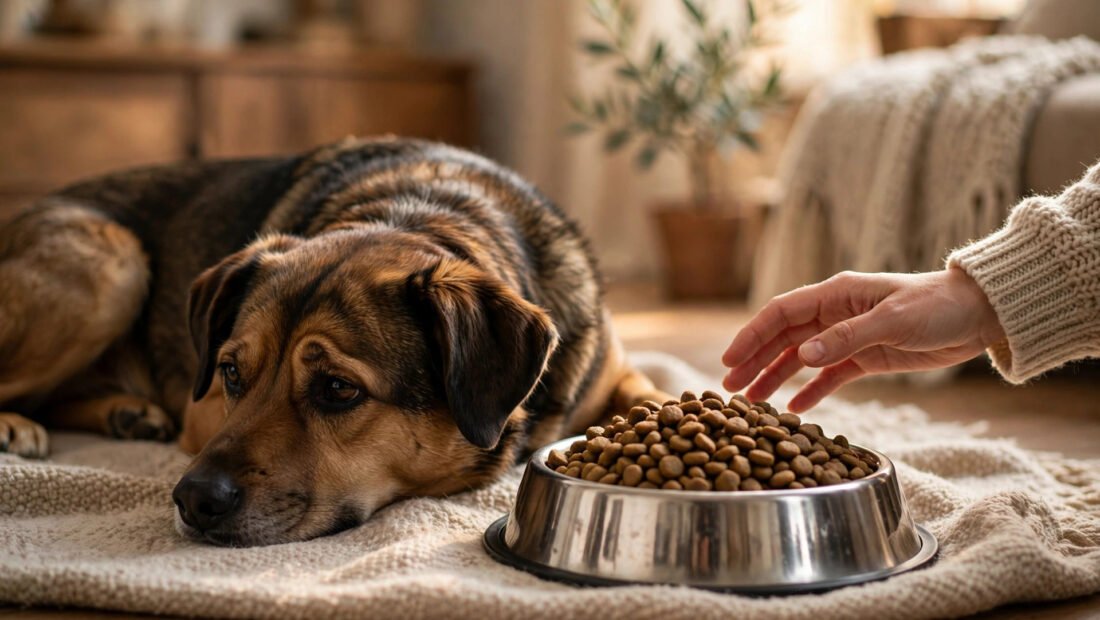
A bright dog that is drinking normally, moving normally, and acting like itself but skips one meal is usually a watch-and-wait case, not an emergency. Give it a calm 24 hours and keep watching. The line changes fast, though. A dog that is off food for 48 hours needs a vet visit the same day. For a puppy, a toy breed, or a diabetic dog, that line is 24 hours, not 48. Any red flag at all, even after a single missed meal, also ends the waiting. That short rule covers most cases, and the rest of the detail below explains how to judge which side of it your dog is on.
The Simple Explanations to Rule Out First
Start with the boring causes, because they explain a large share of sudden hunger strikes. A disrupted routine can suppress appetite for 24 to 48 hours. A move, guests in the house, a new feeding time, construction noise next door, or a family member away from home can all do it. Dogs run on routine more than most owners realize, and a shaken routine often shows up first at the bowl.
Heat belongs near the top of the list in Texas. A heat wave flattens many dogs’ appetites even when nothing else is wrong. A dog that eats less on a brutal afternoon but perks up and eats in the cool of the morning or evening is showing a pattern, not a crisis. Feed in those cooler hours during a hot stretch and watch whether the appetite returns with the temperature drop.
Recent vaccinations and new medications are another common cause. Mild appetite loss for a day or two afterward is expected, and your vet should have mentioned it at the visit. If the timing lines up, that context matters. So does the food itself. Check the bag before you blame the dog. Kibble goes stale and can turn rancid fast in Texas heat, especially if the bag sits in a hot garage. Dogs vote with their noses, and a dog refusing one stale bag while happily eating fresh food has given you a clear answer.
Then run the pickiness test, because it separates theater from illness better than almost anything else at home. A dog that refuses kibble but begs for treats, hovers for table scraps, and lights up at the good stuff is negotiating. That dog can eat and wants to eat. It just prefers a better offer. A dog that refuses everything, including the food it normally loses its mind over, is telling you something different. Treat those two dogs differently. The first needs firmer feeding rules. The second needs attention.
The Red Flags That End the Waiting
Some signs cancel the watch-and-wait plan on the spot. Vomiting or diarrhea alongside the hunger strike is one. A dog that will not eat and cannot keep water down can go downhill quickly, and repeated vomiting or loose stool with blood in it needs same-day care.
Lethargy is another. A dog that skips food and also skips the walk, the greeting at the door, and any interest in play is not being picky. Drooling, pawing at the mouth, or crying when chewing points toward pain in the mouth or something stuck where it should not be. A swollen, tight belly is urgent, especially in a large, deep-chested dog. Obvious weight loss, even if it seems gradual when you look back, also deserves a prompt visit. So does a dog that stops drinking as well as eating, because dehydration adds a second problem on top of the first. When any of these show up, do not wait for the 48-hour mark to arrive. The clock was never the point. The pattern is.
What a Vet Works Through, System by System
When appetite loss is medical, vets tend to work through the body in systems, and knowing that map helps you give a useful history. Dental and oral pain come first for many dogs. A cracked tooth, sore gums, or an abscess can leave a dog that wants to eat and cannot manage it comfortably. Watch for the dog that approaches the bowl with interest, takes a bite or two, drops food, chews on one side, or walks away. That approach-and-retreat pattern often points to the mouth.
The gut is next. Garbage raids, rich scraps, fatty leftovers, and sudden diet changes can all upset the stomach and bowels enough to kill appetite. A blockage sits at the serious end of this group. A dog that swallowed part of a toy, a sock, or a corn cob and then stopped eating needs imaging, not another day of hoping. Infections and fever form another group. A dog running a fever often loses interest in food before other signs get obvious, and the appetite returns as the fever breaks. Organ disease matters most in older dogs. Kidney and liver trouble commonly show up as fading appetite, sometimes with changes in thirst, urination, or energy that are easy to miss at first. Pain anywhere in the body belongs on the list too. A sore back, a bad joint, or an injury you have not spotted can make a dog simply stop being interested in meals. The dog is not refusing food so much as food has fallen off its priority list while it hurts.
What to Do at Home While No Red Flags Fly
If your dog is bright, drinking, and otherwise normal, keep the home plan calm and simple. Wait a quiet 24 hours without hovering or offering a new option every hour. Constant fussing can turn a passing dip into a learned game, and it makes the timeline harder to read. Warm the food slightly before serving it. Gentle warmth releases smell, and smell drives appetite in dogs far more than taste does. A meal that gets a real sniff and a few bites after warming tells you more than a cold bowl pushed away.
Check the basics while you wait. Fresh water in a clean bowl, a quiet feeding spot away from household chaos, and the normal routine kept as steady as you can manage it. Note what was refused and what was accepted, when eating stopped, and whether stool and urination look normal. That short timeline is genuinely useful if you do end up calling the vet. If stomach upset seems mild, plain boiled chicken and rice for a day or two can act as a bland bridge. It is easy on the gut and most dogs will eat it. It is a bridge, not a diet, so do not stretch it for weeks or use it to avoid a visit when the pattern is not improving. Dogs with touchy stomachs often need a longer feeding plan once the immediate dip passes, and comparing the best dog food for sensitive stomachs is a sensible next step after your vet has ruled out a medical cause. Never force food into a dog that is turning away, and never reach for human medicine to spark appetite. Both can create a new problem on top of the old one.
Texas Notes That Belong on the Suspect List
Local context sharpens the picture in Texas. Fireworks season unsettles dogs for days at a time, and a dog stressed by nights of bangs may eat poorly even after the sky goes quiet. Boarding and travel do the same. A dog that comes home from a kennel, a road trip, or a house full of visitors and then skips meals is often just decompressing. Heat itself stays on the list all summer, but learn to separate plain heat-related appetite loss from heat illness. A dog that is panting hard, drooling heavily, unsteady, or unusually dull in the heat is not having a picky day.
Storage matters here too. Food kept in a hot garage, a car, or a sun-baked laundry room spoils faster than the date on the bag suggests. Move the bag somewhere cool and dry, seal it well, and smell it yourself. If it smells sharp or off, replace it before you run any more tests with the old food. For general background you can trust, the American Veterinary Medical Association’s pet health resources covers feeding, preventive care, and when to seek help, without the panic that fills most comment threads.
Keep a short note while you watch, even if the dog recovers on its own. Write down when eating stopped, what was offered, what got a sniff and what got ignored, and whether drinking, stool, and energy stayed normal. That note sounds fussy for one skipped meal. By the second day it becomes the most useful thing you own, because memory blurs and vets ask exactly those questions. A clear timeline can also reveal a pattern you missed in the moment, like refusals that always follow a particular treat, a weekend boarding stay, or the hottest part of the day.
Puppies, toy breeds, and diabetic dogs deserve their own warning here, because the general 48-hour line does not fit their bodies. Small dogs carry small reserves and can fade faster when meals stop. Puppies burn energy quickly and are still building the reserves an adult carries. A diabetic dog on insulin faces an added risk when food intake drops, since the dose was planned around a meal that never happened. For any dog in those groups, call at 24 hours without food, or sooner if the dog seems dull, shaky, or unlike itself, and mention the insulin schedule when you call.
Most single missed meals end quietly. The dog sleeps, the routine settles, and the bowl gets emptied the next morning like nothing happened. Your job is not to panic at the first refusal or to shrug at the fifth. It is to watch the whole dog, run the pickiness test, respect the 48-hour line and the shorter 24-hour line for puppies, toy breeds, and diabetic dogs, and act the same day the moment a red flag joins the hunger strike.